
Bunny Chow: South Africa's Iconic Curry in a Loaf
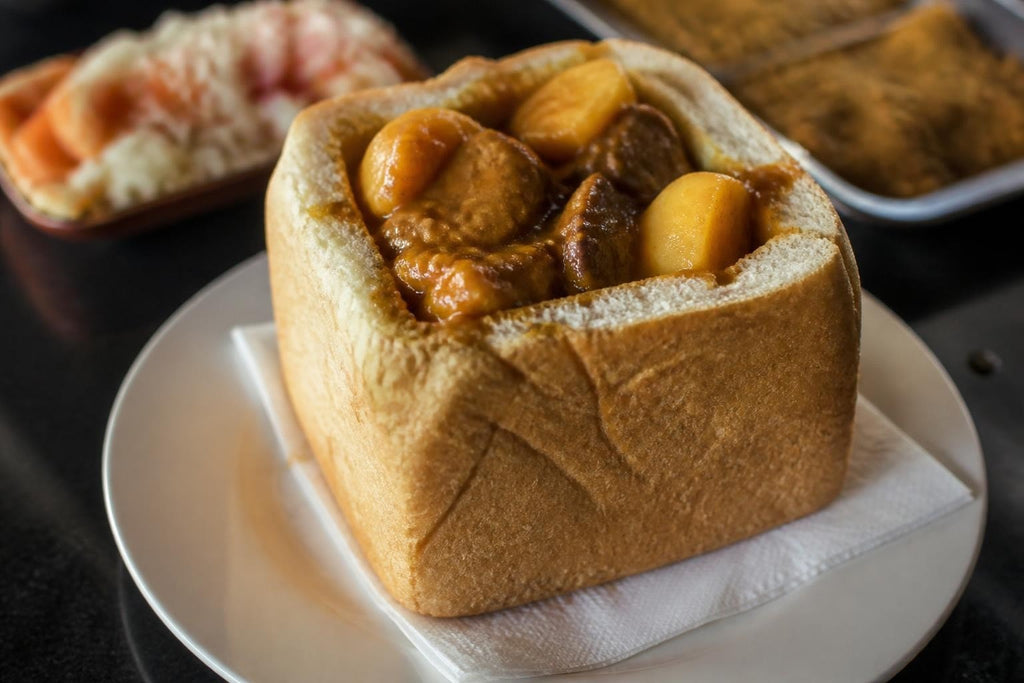
Few South African dishes capture the country's complex cultural heritage quite like bunny chow. This iconic street food, born in the bustling streets of Durban during the apartheid era, represents far more than just curry served in a hollowed-out loaf of bread. It embodies the resilience, creativity, and cultural fusion that defines South African cuisine. For South Africans living in New Zealand, bunny chow remains a cherished taste of home, evoking memories of coastal weekends, late-night takeaway runs, and the unmistakable flavours of Durban's Indian Quarter.
The Origins and History of Bunny Chow
The exact origins of bunny chow remain a subject of spirited debate among food historians and Durbanites alike. Most accounts trace this distinctive dish back to the 1940s in Durban, South Africa's third-largest city and home to the largest population of people of Indian descent outside India. During the apartheid era, restrictive laws prevented Indian South Africans from entering certain establishments, creating the need for portable, affordable meals that workers could easily carry and consume.
The name "bunny chow" itself sparks controversy. Several theories attempt to explain this curious moniker:
- The term derives from "bania," a Gujarati word referring to Indian merchant caste members who may have sold the dish
- It originated from "bunny," slang for bread in some South African communities
- Early vendors were known as "bunnias," and the dish became associated with their trade
- The name simply evolved from local township vernacular
Regardless of its etymological roots, the dish quickly became a staple among working-class communities. KPBS's exploration of the dish's social history highlights how bunny chow transcended racial boundaries, becoming beloved across Durban's diverse population despite the segregation laws that shaped its creation.
What Makes Bunny Chow Unique
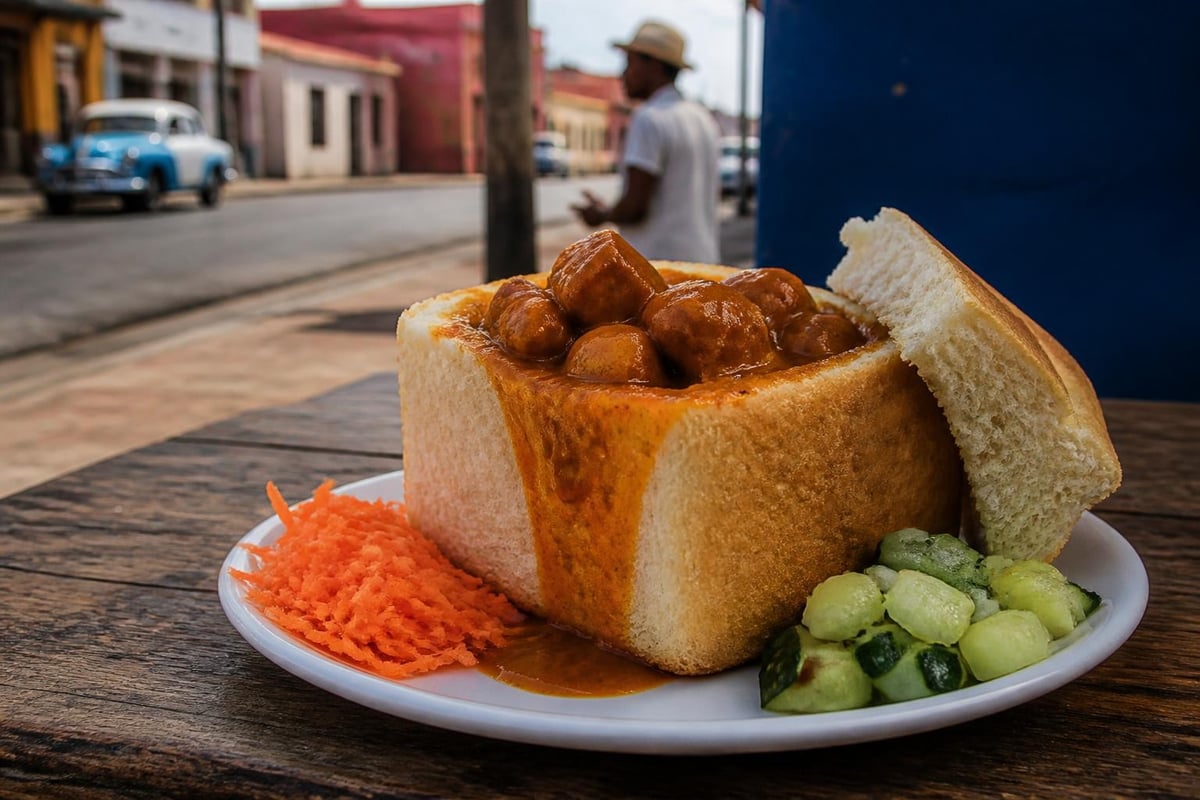
At its core, bunny chow consists of a hollowed-out loaf of white bread filled with curry. The simplicity of this description belies the dish's complexity and the fierce regional pride surrounding its preparation.
The Bread Component
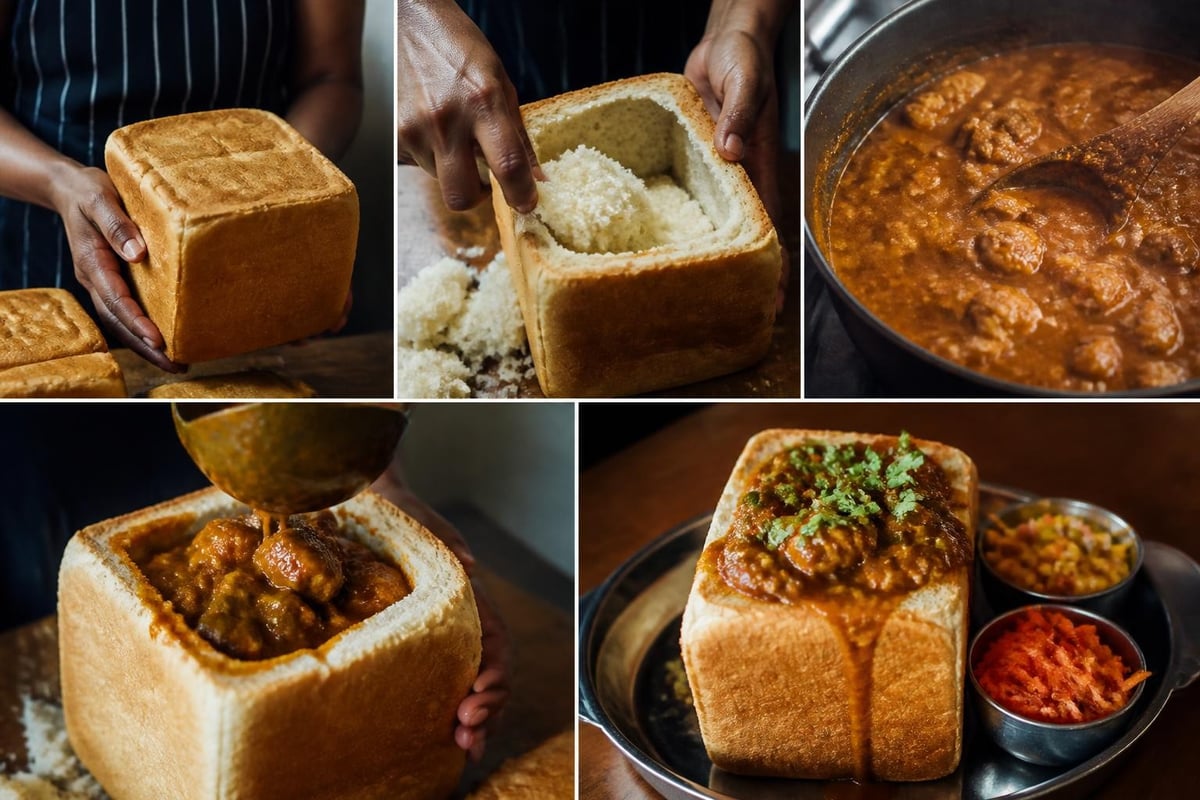
Authentic bunny chow requires a specific type of bread. A quarter, half, or full loaf of unsliced white bread is hollowed out, with the scooped-out bread (known as the "virgin") placed on top of the curry-filled cavity. This serves multiple purposes:
Structural integrity: The bread must be sturdy enough to hold hot, liquid curry without immediately disintegrating
Absorption capacity: Quality bread soaks up curry flavours while maintaining enough texture to be eaten by hand
Portability: The loaf acts as both container and eating vessel, eliminating the need for plates or cutlery
The Curry Filling
While variations abound, traditional bunny chow curries share certain characteristics. They're typically more robust and heavily spiced than standard curries, designed to complement the neutral bread base.
| Curry Type | Heat Level | Common Proteins | Signature Spices |
|---|---|---|---|
| Chicken | Mild to Medium | Bone-in pieces | Curry leaves, turmeric, coriander |
| Mutton | Medium to Hot | Slow-cooked chunks | Star anise, cinnamon, cardamom |
| Bean | Mild | Sugar beans | Jeera, mustard seeds, garam masala |
| Beef | Medium | Diced stewing beef | Cloves, bay leaves, chilli |
The curry must strike a precise balance. Too dry, and it fails to infuse the bread; too liquid, and the loaf becomes soggy and unmanageable. Master bunny chow vendors achieve this through years of practice and closely guarded family recipes.
Regional Variations and Serving Traditions
While Durban remains the undisputed home of bunny chow, the dish has spread throughout South Africa, with each region adding its distinctive touch.
Durban Style
National Geographic's feature on where to eat bunny chow in Durban showcases the city's legendary vendors. Durban bunny chow tends toward generous portions, intense spicing, and a particular emphasis on the curry's gravy consistency. Accompaniments typically include:
- Grated carrot and chilli salad (sambals)
- Sliced green chillies
- Lime wedges
- Chopped coriander
Johannesburg Interpretation
Johannesburg's bunny chow often features slightly milder curries and sometimes incorporates ingredients less common in Durban versions. The city's diverse population has led to fusion variations that purists view with suspicion but adventurous eaters embrace.
Cape Town Adaptations
Cape Town's bunny chow scene, while smaller, offers interesting variations influenced by the region's Cape Malay culinary traditions. Expect subtle sweet notes, aromatic spicing, and occasional use of local seafood in coastal areas.
Cultural Significance and Identity
Bunny chow occupies a unique position in South African food culture. Research examining South African Indian identity and culinary practices demonstrates how dishes like bunny chow serve as cultural markers and identity anchors for diaspora communities.
The dish represents several important themes:
Fusion and adaptation: Bunny chow exemplifies how immigrant communities adapted their traditional cuisines to local ingredients and circumstances
Resistance and resilience: Born from oppressive laws, the dish became a symbol of creative resistance against apartheid restrictions
Cross-cultural appeal: Few South African foods unite diverse populations quite like bunny chow
Working-class pride: The dish remains affordable and accessible, never losing its connection to everyday people
The South African Department of Tourism's Gastronomy Tourism Framework now recognises bunny chow as a heritage food worthy of preservation and promotion. This official recognition marks a significant shift from its humble street food origins.
Making Bunny Chow at Home
For South Africans in New Zealand craving this iconic dish, recreating bunny chow at home presents both challenges and opportunities. The foundation lies in sourcing quality ingredients and understanding the technique.
Essential Ingredients
Creating authentic bunny chow requires specific components. While fresh bread is readily available in New Zealand, the spices and flavour profiles demand South African products. Something From Home stocks essential curry spices, masalas, and other ingredients necessary for achieving genuine South African flavours.
Base curry spices:
- Turmeric powder
- Coriander seeds and powder
- Cumin seeds (jeera)
- Garam masala
- Curry leaves (fresh or dried)
- Star anise
- Cardamom pods
Aromatics and flavourings:
- Fresh garlic and ginger
- Onions
- Tomatoes or tomato paste
- Green chillies
- Fresh coriander
Preparation Method
The BBC Food recipe and background provides an accessible starting point, though traditional family recipes often involve more complex spice layering.
- Prepare the curry base: Toast whole spices, then bloom ground spices in hot oil
- Build flavour layers: Sauté onions until golden, add ginger-garlic paste, incorporate tomatoes
- Cook the protein: Add meat or beans, ensuring even coating with spice mixture
- Simmer to perfection: Low, slow cooking develops depth; the curry should be thick enough to mound slightly
- Hollow the bread: Quarter a standard white loaf, scoop out soft interior leaving 1.5cm walls
- Fill and serve: Ladle hot curry into bread cavity, top with the scooped bread, garnish with sambals
The key lies in patience. Rushing the spice-toasting or protein-cooking stages produces inferior results.
Bunny Chow in New Zealand's South African Community
For South Africans living in New Zealand, bunny chow represents more than sustenance. It embodies connection to homeland, cultural identity, and shared memories. The South African expatriate community in New Zealand, while thriving, often seeks familiar tastes that ground them in their heritage.
The Challenge of Distance
New Zealand's geographical separation from South Africa creates obstacles for maintaining culinary traditions. Specific ingredients, particular spice blends, and even the right type of bread can prove difficult to source through standard New Zealand supermarkets.
This challenge extends beyond bunny chow to the entire spectrum of South African snacks and grocery staples. The flavour profiles, brand familiarity, and even packaging design contribute to the comfort food experience.
Building Community Through Food
South African families in New Zealand often gather around traditional dishes, with bunny chow featuring prominently at cultural events, sports viewings, and informal gatherings. These occasions serve dual purposes: celebrating heritage while introducing Kiwi friends and partners to South African culinary traditions.
Many South Africans report that sharing bunny chow with New Zealanders sparks conversations about cultural history, apartheid's legacy, and contemporary South African society. The dish becomes an educational tool and bridge between cultures.

Nutritional Considerations and Modern Adaptations
Traditional bunny chow, while delicious, presents nutritional challenges. A quarter bunny typically contains substantial calories from both the bread and curry, with significant carbohydrate and fat content depending on the protein choice.
Health-Conscious Variations
Modern interpretations address nutritional concerns without sacrificing authenticity:
| Adaptation | Benefit | Authenticity Impact |
|---|---|---|
| Wholewheat bread | Higher fibre, sustained energy | Minimal flavour change |
| Lean protein (chicken breast) | Lower fat content | Slightly less rich |
| Increased vegetables | Added nutrients, bulk | Enhances texture |
| Reduced oil | Lower calories | May affect mouthfeel |
| Smaller portions | Portion control | Maintains experience |
Dietary Accommodations
The basic bunny chow formula adapts well to various dietary requirements. Vegetarian and vegan versions using beans, chickpeas, or vegetables remain completely authentic to the dish's working-class origins. Gluten-free versions prove more challenging, as the bread component defines the dish, though some creative cooks use large bread rolls made from alternative flours.
The Economics of Street Food Heritage
Bunny chow's affordability remains central to its identity. In South Africa, the dish provides filling, flavourful meals at prices accessible to working families. This democratic aspect distinguishes it from many heritage foods that become gentrified over time.
Interestingly, bunny chow has resisted upmarket transformation. While fine-dining interpretations occasionally appear, they're generally met with scepticism. The dish belongs to the streets, to corner takeaways, and to family-run establishments where recipes pass through generations.
For South Africans abroad, this creates an interesting dynamic. The ingredients for homemade bunny chow, particularly when sourcing authentic South African spices and products, may cost more than in South Africa. However, the emotional and cultural value justifies the investment.
Preserving Tradition While Embracing Innovation
Contemporary bunny chow culture balances tradition with innovation. Young South African chefs experiment with filling variations (butter chicken bunny, seafood curry bunny, even dessert versions), while traditionalists insist on maintaining original recipes and methods.
This tension proves healthy for the dish's evolution. Innovation attracts new audiences and keeps bunny chow relevant in changing food landscapes, while traditional guardians ensure core elements remain intact. Academic research on curry, region, and identity explores how such dishes navigate modernity while maintaining cultural significance.
Social Media and Global Recognition
Digital platforms have amplified bunny chow's international profile. Food bloggers, travel vloggers, and culinary documentaries introduce global audiences to this uniquely South African creation. This exposure benefits both cultural preservation and South African food tourism.
For expatriate communities, social media provides recipe sharing, technique demonstrations, and virtual connections around shared food memories. South Africans in New Zealand regularly post their bunny chow creations, exchange sourcing tips, and celebrate successful recreations.
Sourcing Authentic Ingredients in New Zealand
Creating authentic bunny chow in New Zealand requires dedication to ingredient quality. While basic components like bread, onions, and proteins are readily available, the spice blends and specific curry flavourings that define South African taste require specialist sourcing.
Something From Home, a South African food store in New Zealand with more than 2,500 South African products, addresses this need. The warehouse stocks authentic spice blends, curry powders, and specialty ingredients that enable proper bunny chow preparation. This access allows South African families to maintain their culinary traditions without compromise.
Beyond spices, the shop provides the broader context of South African groceries that complete the authentic meal experience. Proper sambals, the right chilli sauce, and even familiar beverage brands contribute to recreating the complete bunny chow experience.
Teaching the Next Generation
For South African parents raising children in New Zealand, passing down bunny chow traditions serves important cultural functions. Involving children in preparation teaches practical cooking skills while transmitting cultural knowledge and family history.
Many second-generation South African New Zealanders report that bunny chow represents their most tangible connection to South African heritage. The dish becomes a conversation starter about family migration stories, historical context, and cultural identity.
This intergenerational transmission extends beyond the immediate family. Community cooking events, cultural festivals, and school multicultural days provide opportunities for South African families to share bunny chow with wider audiences, educating others about South African history and cuisine.
The Future of Bunny Chow
As South African diaspora communities grow globally, bunny chow's international presence expands. Cities from London to Melbourne now feature bunny chow on restaurant menus, though Durban remains the spiritual home.
The dish's future likely involves continued evolution alongside tradition preservation. Environmental concerns may drive increased vegetarian and vegan versions. Health trends could inspire whole-grain adaptations. Fusion experiments will undoubtedly continue, producing both inspired creations and dubious combinations.
Yet bunny chow's essence will likely endure: curry in bread, eaten by hand, shared among friends, connecting people to South African heritage. This simplicity, combined with deep cultural significance, ensures bunny chow remains relevant regardless of culinary trends.
For South Africans in New Zealand, bunny chow will continue serving as edible heritage, comfort food, and cultural ambassador. Each preparation, whether for family dinner or community gathering, reinforces connections to homeland while building new traditions in adopted homes.
Bunny chow stands as testament to South African culinary creativity, cultural resilience, and the universal power of comfort food. For South Africans in New Zealand seeking authentic ingredients to recreate this iconic dish, Something From Home offers comprehensive access to the spices, curry powders, and specialty products that make genuine bunny chow possible, helping maintain treasured food traditions thousands of kilometres from home.