Italian Herbs Guide: Which Ones to Use and When
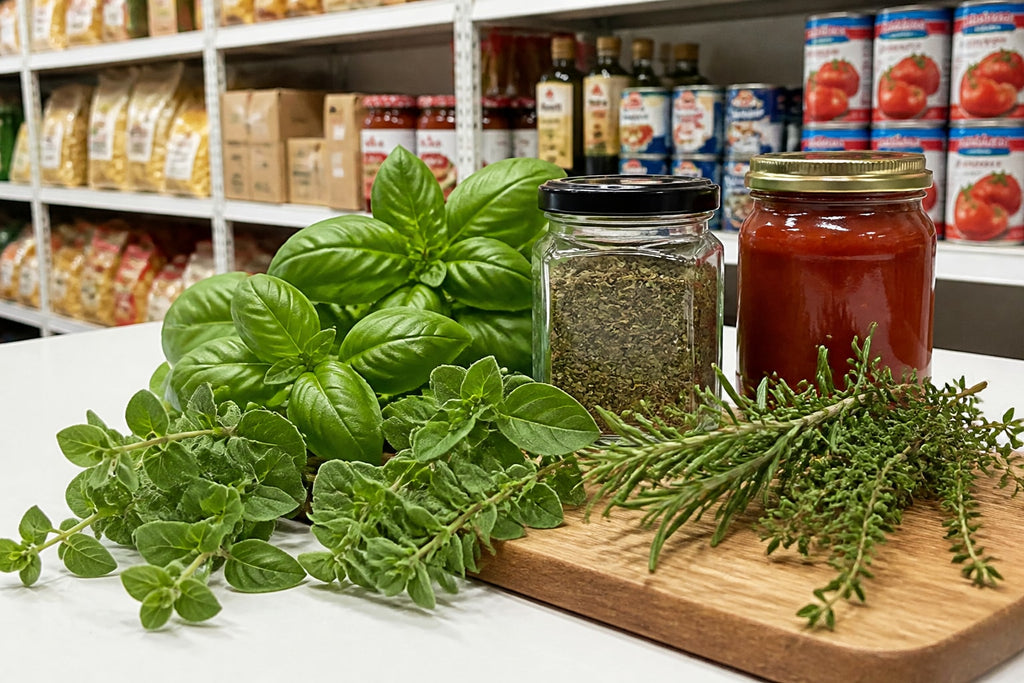
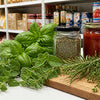
Italian herbs are the group of aromatic plants that define Italian cooking: basil, oregano, rosemary, thyme and marjoram, with parsley and sage often alongside them. Most shops sell them as a dried blend called Italian seasoning, but knowing each herb separately tells you what to add, when to add it and what to leave out.
For South Africans in New Zealand, this matters more than you might expect. Many of our home recipes lean on the same herbs, from a slow-cooked lamb potjie with rosemary to a tomato-and-onion braai sauce. When you know how Italian herbs behave, those familiar dishes taste closer to what you remember.
What Are Classed as Italian Herbs?
The herbs most commonly classed as Italian herbs are basil, oregano, rosemary, thyme and marjoram, with flat-leaf parsley and sage as frequent additions. There is no official list, because Italian cooking varies sharply from region to region.
The commercial blend sold as Italian seasoning is a different thing again. It is an adaptation of Italian cooking habits, usually a mix of dried oregano, basil, thyme and rosemary, sometimes with marjoram or savory. A traditional cook in Liguria would reach for fresh basil for pesto, while someone in Sicily might favour wild oregano on grilled fish.
This is why it helps to treat the blend as a convenient shortcut and the individual herbs as the real toolkit.
The Core Italian Herbs and What Each One Does
Each herb has a distinct job in the pot, and matching them to the right ingredients gives noticeably better results than shaking a mixed blend over everything.
- Basil: Sweet, slightly peppery and best fresh. University of Minnesota Extension notes that basil pairs well with tomatoes and tomato dishes, as well as rice, eggs, meats, salads and vegetables.
- Oregano: Earthy and robust, and one of the few herbs that stays strong when dried. The same source recommends it for Italian tomato sauces, soups, eggs, cheese, pork, vegetables and salad dressings.
- Rosemary: Resinous and piney, with a woody stem that tolerates long cooking. It suits lamb, pork, vegetables, chowders and cheese.
- Thyme: Subtle, slightly floral and dependable. It sits comfortably in stews, roast chicken and pan sauces.
- Marjoram: A gentler cousin of oregano, with a sweeter edge. It works well in dressings, vegetable dishes and lighter sauces.
- Flat-leaf parsley: Fresh and grassy, used mostly as a finishing herb to lift a heavy dish.
- Sage: Strong and slightly musky, traditionally paired with butter, pork and pumpkin or butternut.
Rosemary and thyme are woody herbs, which means their leaves hold up to heat. Basil and parsley are soft herbs and lose their character quickly once cooked, which leads directly to the question of timing.
When to Add Italian Herbs During Cooking
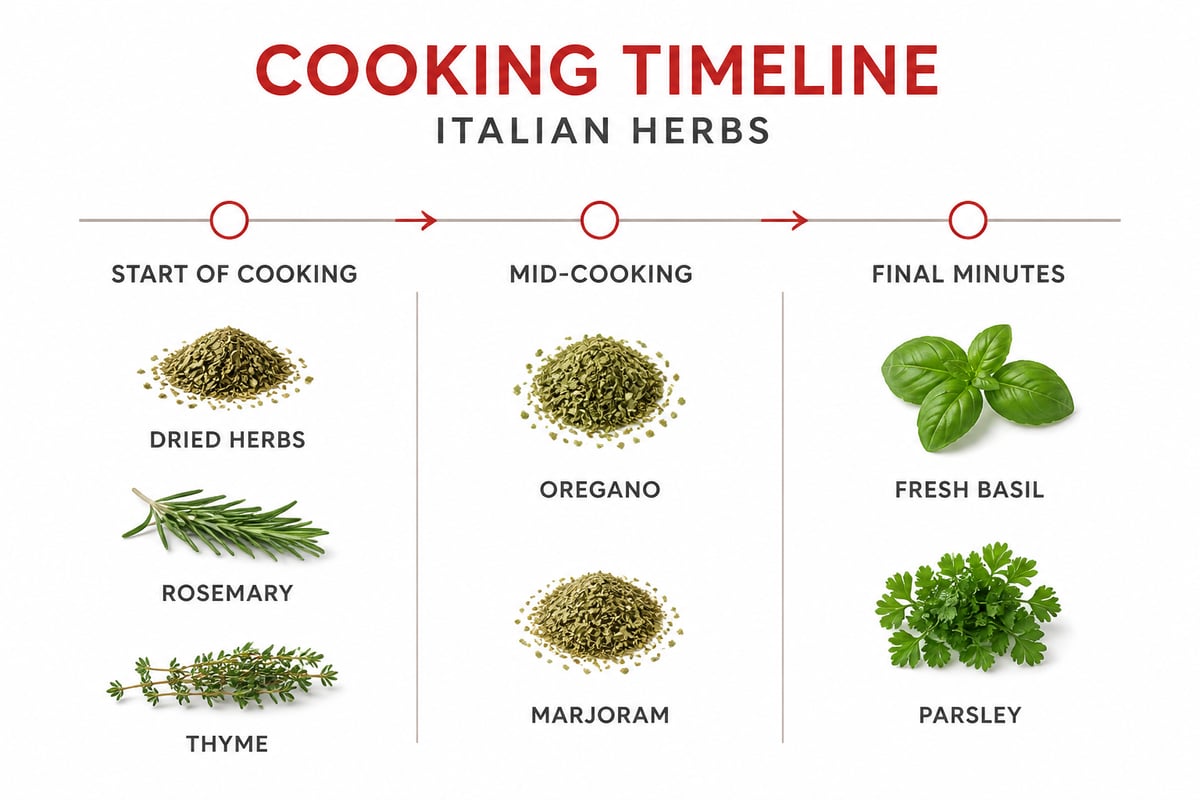
Add sturdy herbs early and delicate herbs late. University of Minnesota Extension advises adding delicate fresh herbs such as basil near the end of cooking or just before serving, and adding sturdier herbs such as oregano and rosemary during the last 20 minutes of cooking.
A practical way to remember this:
- Start of cooking: Dried herbs, rosemary sprigs and thyme go in with the onions, garlic or browned meat so their oils infuse the base.
- Mid-cooking: Oregano and marjoram join the sauce or stew while it simmers.
- End of cooking: Fresh basil and parsley are torn over the dish just before it reaches the table.
Dried herbs are more concentrated than fresh ones, so a common kitchen rule is to use less dried herb than fresh. Dried herbs also need liquid and a little time to release their flavour, so sprinkling them over a finished plate rarely works well.
How to Make Homemade Italian Herbs Blend
A homemade Italian herb blend takes about two minutes and lets you control the balance, which is the main advantage over a packet. Mix equal parts of the following dried herbs in a small bowl:
- Oregano
- Basil
- Thyme
- Rosemary, crushed or chopped finely
- Marjoram, if you have it
A good starting point is equal parts of each herb, adjusting the balance to taste. Crush the mix lightly between your fingers or in a mortar so the dried leaves release some of their oils, then store it in an airtight jar away from light and heat.
Adjust it to suit your cooking. A heavier hand with rosemary suits roast potatoes and lamb, while extra oregano and basil suit pasta sauces and pizza. If you prefer to skip the mixing, a ready-made option such as Calisto's Spices Italian Herbs 40g is available from Something From Home, a South African food store in New Zealand with more than 2,500 South African products.
Ways to Use Italian Seasoning
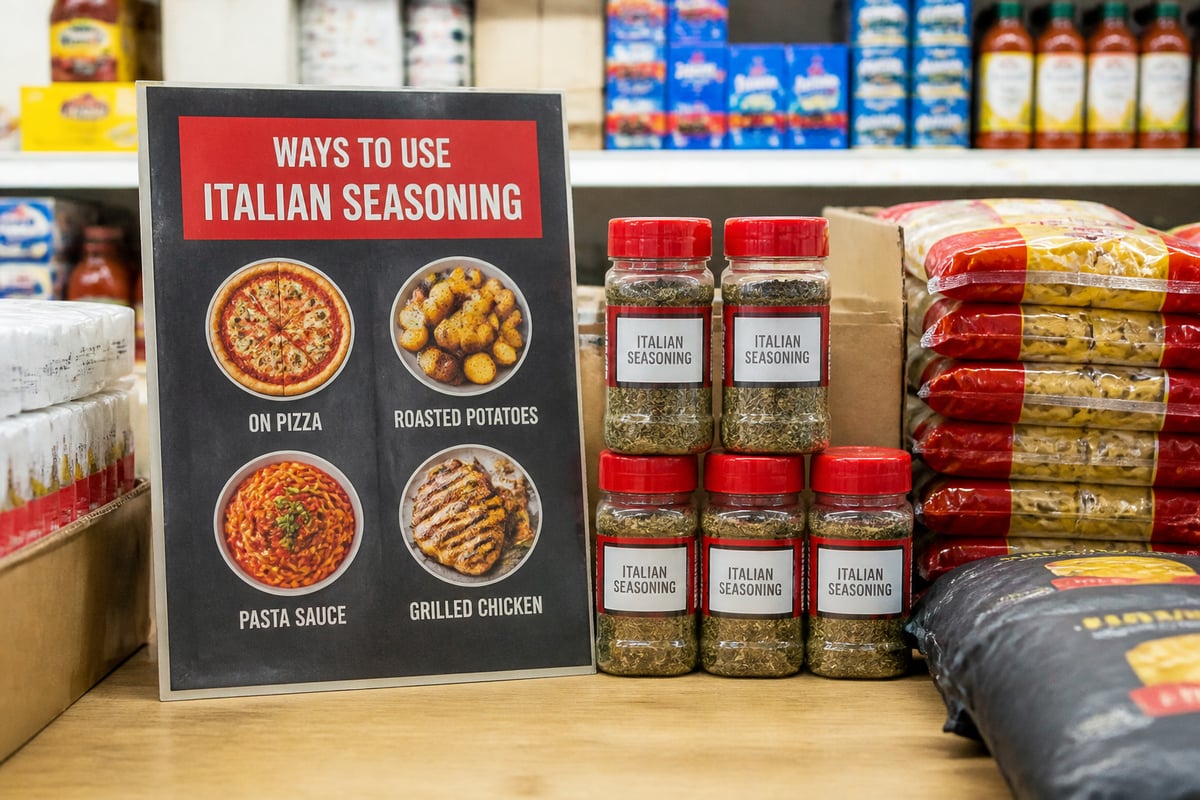
Italian seasoning works best in dishes with tomato, olive oil, cheese or roasted meat, where its herbal character has something rich to balance. These are the most reliable uses:
- Tomato sauces and pasta bakes: Stir into the base while it simmers.
- Roast vegetables: Toss potatoes, pumpkin or courgette with oil and the blend before roasting.
- Chicken and pork: Rub into the meat with oil, garlic and lemon before grilling or baking.
- Bread and pizza: Sprinkle on dough or mix into the batter.
- Dressings and marinades: Whisk into olive oil, vinegar and a pinch of salt.
- Eggs and cheese: Season omelettes, scrambled eggs or baked feta.
South African home cooks have plenty of familiar uses for these herbs as well. A spoonful in a mince-based bolognese-style dish, a tomato and onion smoor, or a braai marinade for chicken pieces blends comfortably with the flavours many of us grew up with. For a quick savoury boost, pair the herbs with a regular shaker of Aromat or a spoonful of Robertsons Steak & Chop spice on a steak.
Herb Bread Ideas Using Italian Herbs
Garlic and herb bread is one of the easiest ways to use Italian herbs, and it suits a South African table particularly well alongside a braai. Beer bread is a long-standing favourite because it needs no kneading or proving, and the herbs go straight into the mix.
Gourmet Pre-Mix Beer Bread Garlic & Herb gives you a shortcut to the same result. It combines stone-ground flour with garlic and herb flavouring, so a warm loaf is ready with very little effort. It is a sensible choice for a weeknight dinner or a braai side, and you can brush the finished crust with olive oil and a pinch of your own Italian herb blend for extra aroma.
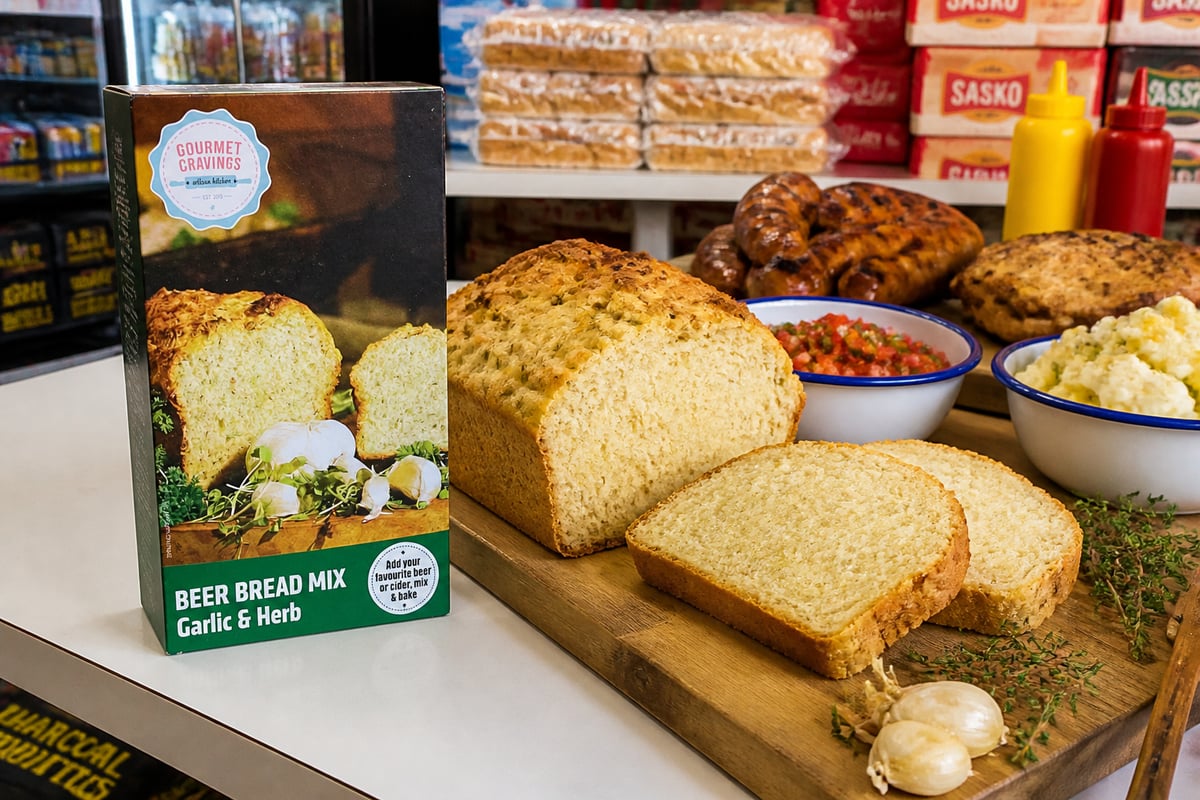
You can find it at Something From Home as Gourmet Pre-Mix - Beer Bread Garlic & Herb flavour - 450g, alongside the rest of the baking range.
Fresh or Dried: Which Italian Herbs Should You Choose?
Choose fresh for basil and parsley, and either form for oregano, thyme, rosemary and marjoram. The best choice depends on the dish and the herb, rather than a blanket preference.
| Herb | Best form | Why |
|---|---|---|
| Basil | Fresh | Loses aroma quickly when dried or cooked for long |
| Parsley | Fresh | Dried parsley adds little flavour |
| Oregano | Dried or fresh | Dried version is often stronger and more savoury |
| Rosemary | Fresh or dried | Both hold up well in long cooking |
| Thyme | Fresh or dried | Dried thyme is convenient and keeps well |
| Marjoram | Fresh or dried | Works in both forms, gentler than oregano |
Dried herbs are practical for pantry cooking, especially if you live somewhere that fresh herbs are costly or seasonal. Fresh herbs are worth the effort when they are the finishing touch, such as basil over a margherita pizza or parsley over a stew.
Growing and Harvesting Your Own Italian Herbs
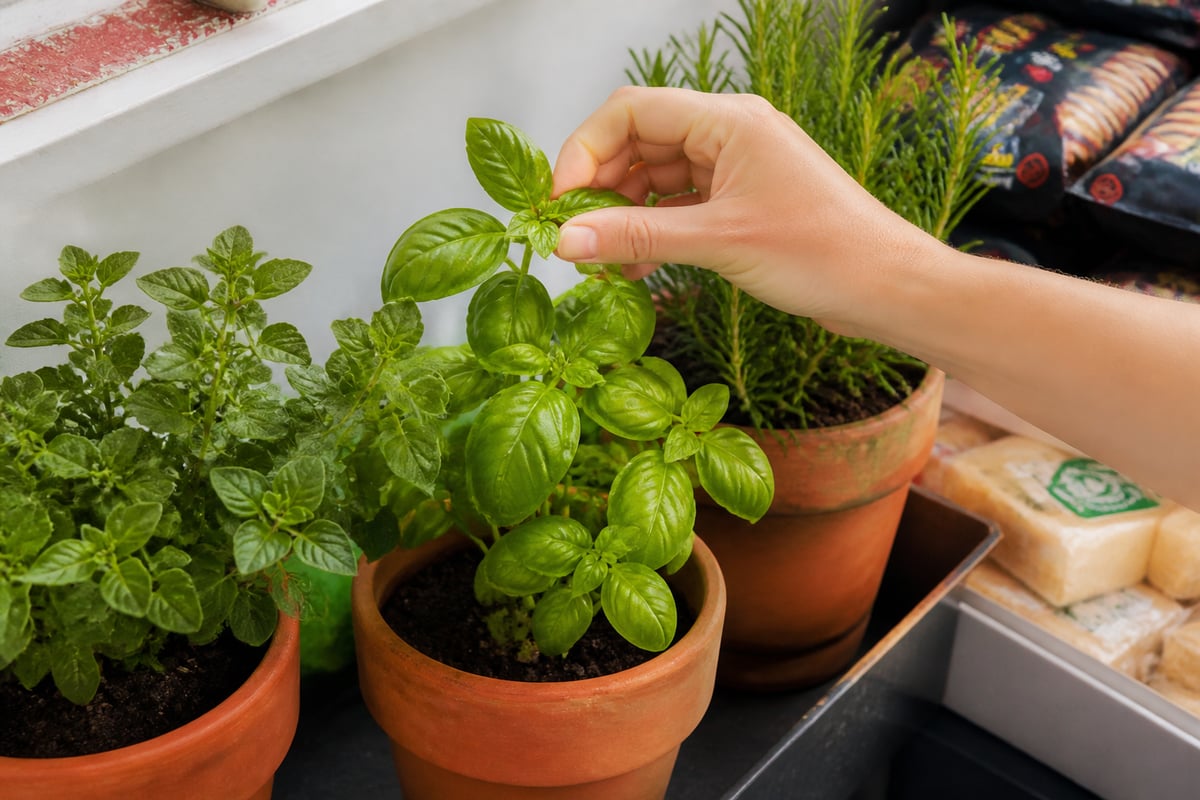
A small pot of basil, oregano and rosemary on a sunny windowsill or balcony supplies most of what a home cook needs. West Virginia University Extension offers beginner-friendly guidance on plant types, mature sizes and propagation for basil, oregano and rosemary.
A few harvesting habits make a measurable difference:
- Harvest before flowering. University of Maryland Extension advises harvesting before herbs flower to support leaf production, and pinching stems at a leaf node to encourage branching.
- Pick at the right time of day. The same source recommends harvesting after the dew has dried but before the sun becomes hot, which helps preserve the oil content in the leaves.
- Take little and often. Regular light picking keeps basil bushy rather than leggy.
Basil prefers warmth, so it is best grown in a sunny, sheltered spot, while rosemary and thyme are generally more tolerant of cooler weather.
How to Store Italian Herbs and How Long Italian Seasoning Lasts
Dried Italian seasoning fades gradually over time, so it is best stored in an airtight container away from heat, light and moisture. A simple test is to rub a pinch between your fingers: if you can barely smell it, it is time to replace it.
Fresh herbs need different handling. The European Food Information Council explains that woody herbs and basil store differently, and also covers freezing as a way to extend their life. University of Nebraska-Lincoln Extension offers further ideas for using fresh herbs in everyday dishes and guidance on storing basil.
A few simple habits help:
- Keep dried blends in a cupboard, not above the stove where heat and steam shorten their life.
- Store woody herbs such as rosemary and thyme wrapped loosely in a damp paper towel in the fridge.
- Keep basil at room temperature in a glass of water rather than the fridge, where it blackens quickly.
- Freeze chopped herbs in olive oil in an ice cube tray for stews and sauces.
Finding Familiar Flavours Far From Home
Cooking with Italian herbs often sits beside the familiar South African pantry, because many home dishes share the same logic of slow-cooked meat, tomato, onion and spice. That crossover is one reason South Africans living in New Zealand look for trusted brands when they stock their cupboards.
Something From Home is a South African shop and warehouse in New Zealand that also takes orders online. The range covers authentic South African brands across groceries, snacks, braai supplies and home goods, so a single order can include herbs, spices, a biltong king for home drying, and the sauces and snacks you miss. For a classic combination, a splash of Ina Paarman's Chicken sauce with rosemary and thyme goes a long way on roast chicken, and a pot of rooibos from the Freshpak range is a fitting finish to the meal.
If you enjoy pairing food with a good brew, specialty retailers such as Hendo's Coffee co offer coffee blends and chai that suit a slow weekend cooking session.
FAQ
Can I substitute individual herbs for Italian seasoning?
Yes. Use a mix of dried oregano, basil and thyme in roughly equal parts, adding rosemary or marjoram if you have them. One teaspoon of the substitute blend replaces one teaspoon of Italian seasoning.
Is Italian seasoning the same as mixed herbs?
Not exactly. Italian seasoning leans on oregano, basil and rosemary, while a typical mixed herb blend often includes sage, parsley and a higher proportion of thyme. They can often be swapped in a pinch, but the flavour will shift slightly.
Can I use Italian herbs on a braai?
Absolutely. Rosemary, thyme and oregano suit lamb, chicken and vegetables over the coals. Mix them with olive oil and garlic as a marinade, or toss them over the meat in the last few minutes of grilling.
Check the age of your current jar of Italian seasoning today, and replace it if the aroma has faded. When you are ready to restock, Something From Home is a South African food store in New Zealand with a wide range of authentic South African groceries, snacks and braai supplies, and you can start with the Calisto's Spices Italian Herbs 40g before adding more to your order. Shop available now at the online South African shop to have your pantry favourites delivered.