Vanilla Essence Guide: Types, Uses and How to Choose
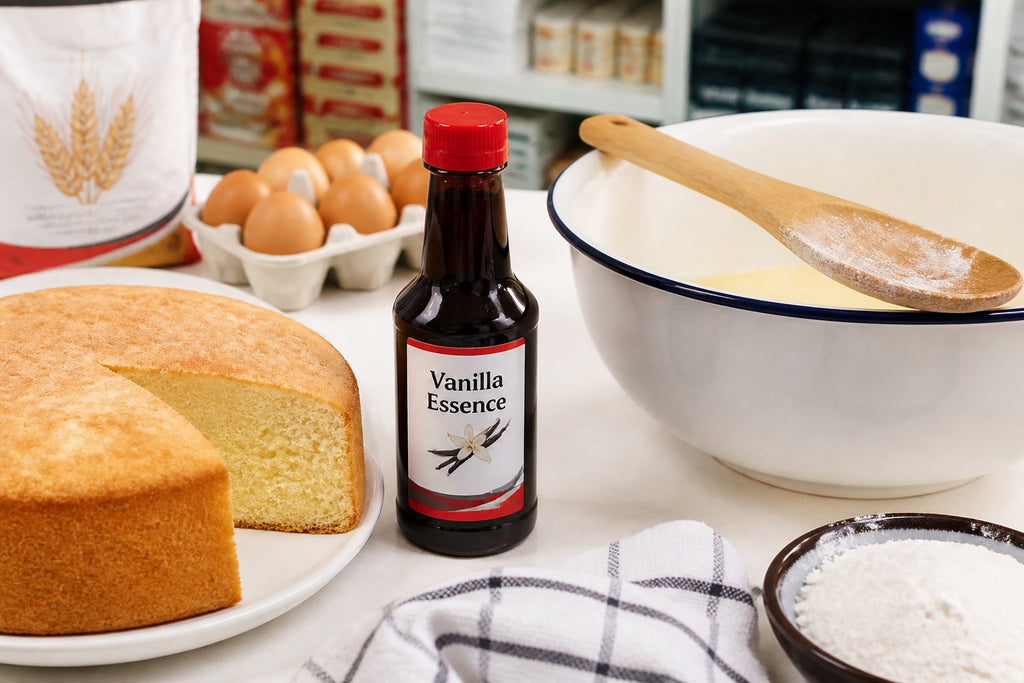
Vanilla essence is a liquid flavouring used to add a sweet, floral vanilla note to baking, desserts and drinks, and in most South African kitchens the bottle in the cupboard is an imitation or blended product rather than pure vanilla extract. It is cheaper, stable and reliable in oven-baked recipes such as vetkoek-style cakes, melktert and soft sponges, which is why it remains the everyday choice for home bakers. This guide explains what is actually in the bottle, how it compares with pure extract, how strong it is, and how to pick and use it well.
What Is Vanilla Essence?
Vanilla essence is a flavouring made either from real vanilla in a weak solution, from synthetic vanillin, or from a blend of the two. The term is a common-name label rather than a strict legal category, which means the contents vary between brands.
Pure vanilla extract is a more regulated product. Under U.S. federal standards, vanilla extract must contain at least 35% ethyl alcohol by volume and at least one unit of vanilla constituent per gallon. The Alcohol and Tobacco Tax and Trade Bureau defines one unit as 13.35 ounces of vanilla beans at 25% moisture, and its 1X extract standard is one unit per gallon of finished product.
Essence usually falls below these standards, or uses synthetic vanillin, which is why it is generally labelled "imitation" or "flavouring" in many markets. Vanillin is the main flavour compound in vanilla beans, but a real bean carries many other aroma compounds that give pure extract its depth.
For South Africans, the familiar brown bottle with a red or yellow label is part of childhood baking memories: Ouma's pancakes, a Saturday melktert, or a Sunday sponge. That familiarity is exactly why many expats in New Zealand look for the same brands they grew up with.
Vanilla Essence vs Vanilla Extract: Which Is Better?
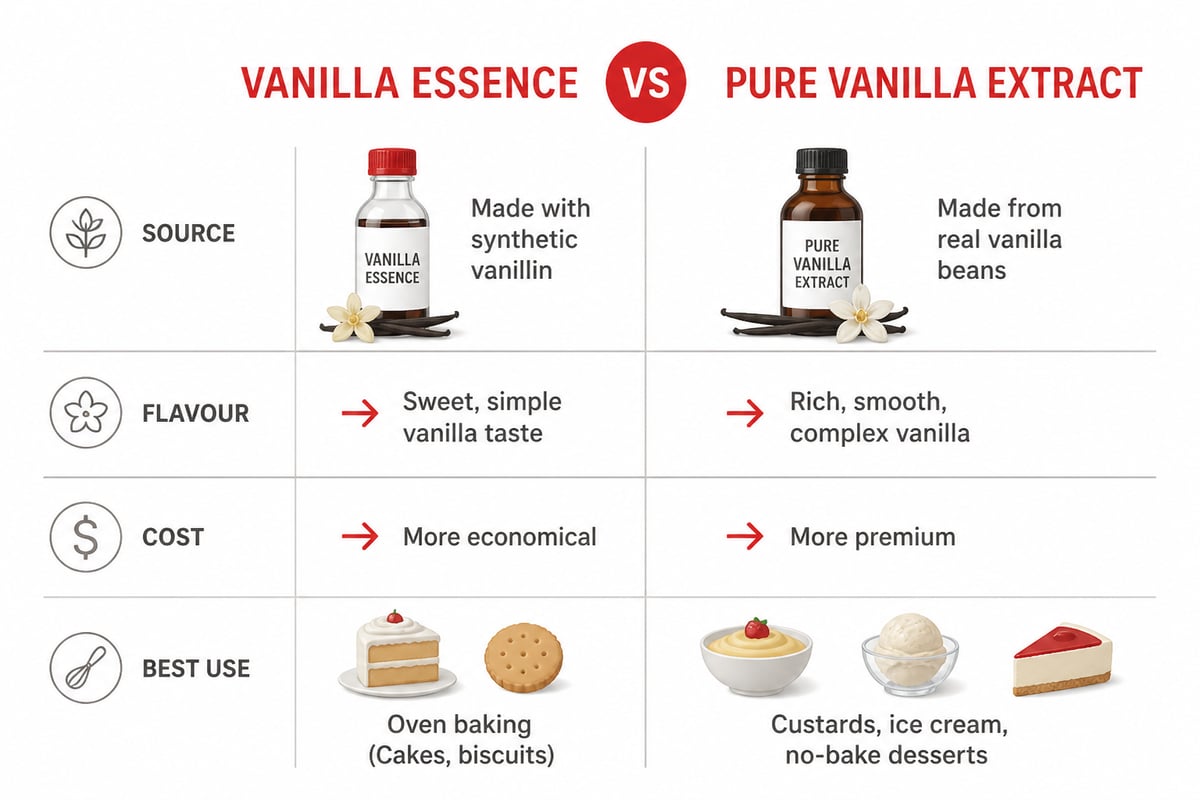
Pure vanilla extract is generally better for flavour complexity, while vanilla essence is better for affordability and consistent results in baked goods. Neither is universally superior, and the right choice depends on what you are making.
| Feature | Vanilla essence | Pure vanilla extract |
|---|---|---|
| Typical source | Synthetic vanillin or blend | Real vanilla beans in alcohol |
| Flavour | Sweet, direct, slightly sharp | Rounded, floral, complex |
| Cost | Lower | Higher |
| Heat stability | Good in oven baking | Good, but subtle notes fade |
| Best for | Cakes, biscuits, milk tart base, pancakes | Custards, ice cream, no-bake desserts |
A baking guide from Wilton says imitation vanilla can be swapped for pure extract at a 1:1 ratio in oven-baked treats, while pure extract or vanilla beans suit delicate or no-bake desserts where vanilla is the star. That matches how most South African recipes work: butter, sugar, eggs and heat dominate the flavour, so a good essence is more than adequate.
If you are making something where vanilla is front and centre, such as a cold crème anglaise, a vanilla panna cotta or whipped cream, pure extract earns its price. For everything else, essence does the job.
Is Vanilla Essence Strong?
Vanilla essence is generally strong in flavour but weaker than concentrated extract, so a small measure goes a long way. Recipes typically call for a few teaspoons at most, even in a large cake.
Strength varies by brand. Some South African essences are quite sharp and slightly alcoholic on the nose, while others are sweeter and milder. Concentrated pure products are stronger again: under U.S. rules, concentrated vanilla extract must contain at least two units of vanilla constituent per gallon with the same 35% minimum alcohol.
Because essence is strong, overdoing it is the most common mistake. Too much gives a bitter, perfumed aftertaste, particularly in delicate mixtures such as pancake batter or instant puddings. Start with the recipe amount, taste where it is safe to do so, and adjust slowly next time rather than pouring by eye.
How to Choose a Good Vanilla Essence
Choose a vanilla essence by reading the label for ingredients, checking the bottle size against how often you bake, and matching the product to your recipes. Three checks cover most decisions:
- Read the ingredient list. Look for whether it lists vanilla bean extract, vanillin, or both. A shorter list with real vanilla is usually the better product, though a straightforward synthetic essence is perfectly acceptable for everyday baking.
- Check for a clear colour and a clean smell. Essence should smell sweet and warm, not harsh or chemical. Dark brown colouring is common and does not signal quality either way.
- Match the bottle size to your baking habits. A small bottle suits occasional bakers, while a larger one makes sense if you bake weekly or make batches for school fetes and church sales.
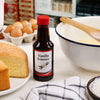
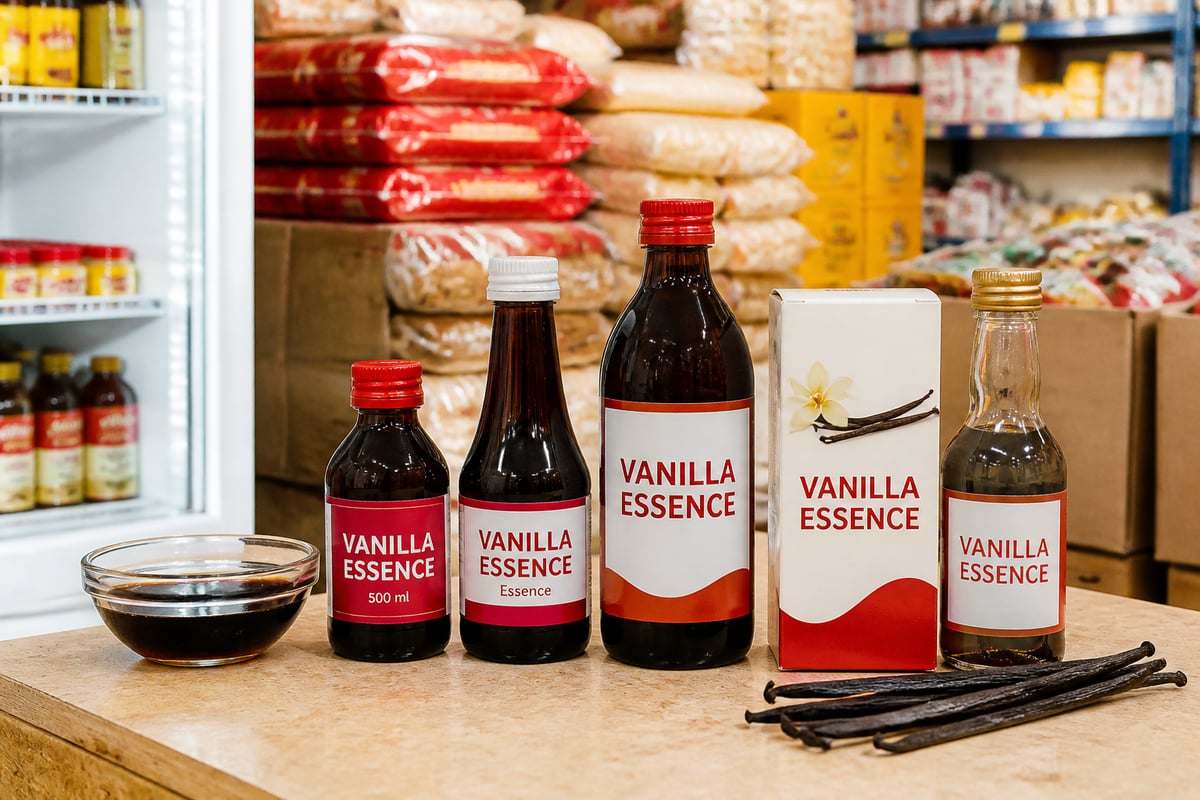
Look for trusted South African brands you recognise, since familiar flavour is half the point. Moir's Vanilla Essence 100ml is a sensible size for a household that bakes now and then, and the 500ml bottle suits regular bakers who go through it quickly. Both are available at Something From Home, a South African food store in New Zealand with more than 2,500 South African products, so you can restock without hunting through supermarket shelves for a close-enough substitute.
Classic South African Recipes That Use Vanilla Essence
Vanilla essence appears in many South African recipes, from milk tart to pudding, and it is usually the quiet flavour that makes a bake taste like home. A few of the best known:
- Melktert (milk tart): the custard filling relies on essence alongside cinnamon, and the combination is what most South Africans taste first.
- Pannekoek (pancakes): a small measure in the batter lifts the plain flavour before the cinnamon sugar goes on.
- Vanilla sponge and butter cake: a teaspoon or two carries the whole flavour, especially with a cream or buttercream filling.
- Koeksisters and melkkos: vanilla appears in the sweet milk dishes and in some syrups.
- Ouma's rusks and biscuits: essence goes into doughs where butter and sugar already do most of the work.
If you are cooking for family who have not grown up with these, such as Kiwi friends or in-laws, a plain vanilla sponge or a milk tart is a gentle introduction to South African baking. The flavour is familiar but slightly different from what many New Zealanders know.
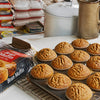
Cupboard shortcuts count too. A packet of Moir's Instant Pudding in vanilla gives a quick dessert base, and Snowflake Easymix vanilla muffin mix suits busy weekday baking. A drop of essence in either rounds out the flavour if you like a stronger vanilla note.
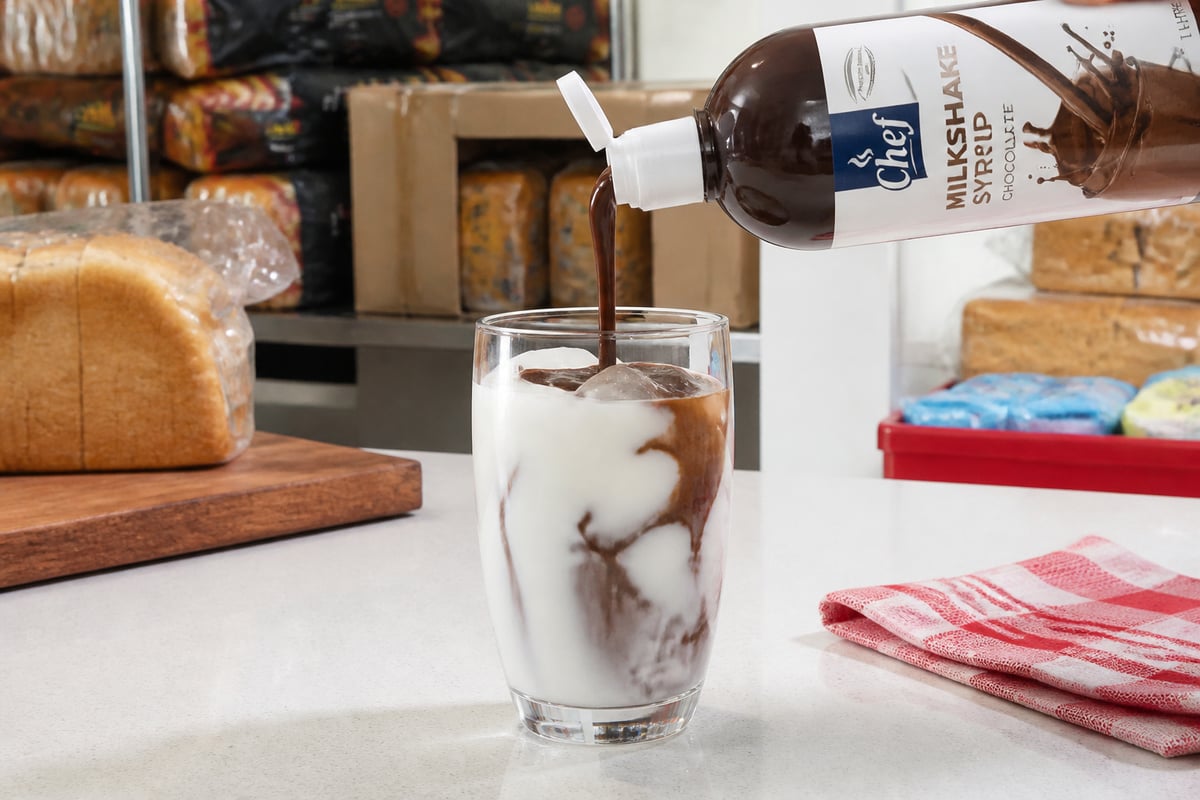
Drinks are another good use. A few drops of essence lift a homemade milkshake, and the Chef Pro Chocolate Milkshake Syrup is mixed at 25 to 30 ml of syrup with 250 ml of cold milk, then blended. Adding a drop of vanilla essence to that blend softens the chocolate and gives a more rounded, ice-cream-parlour flavour.
Homemade Vanilla Extract: The Best Way to Make It
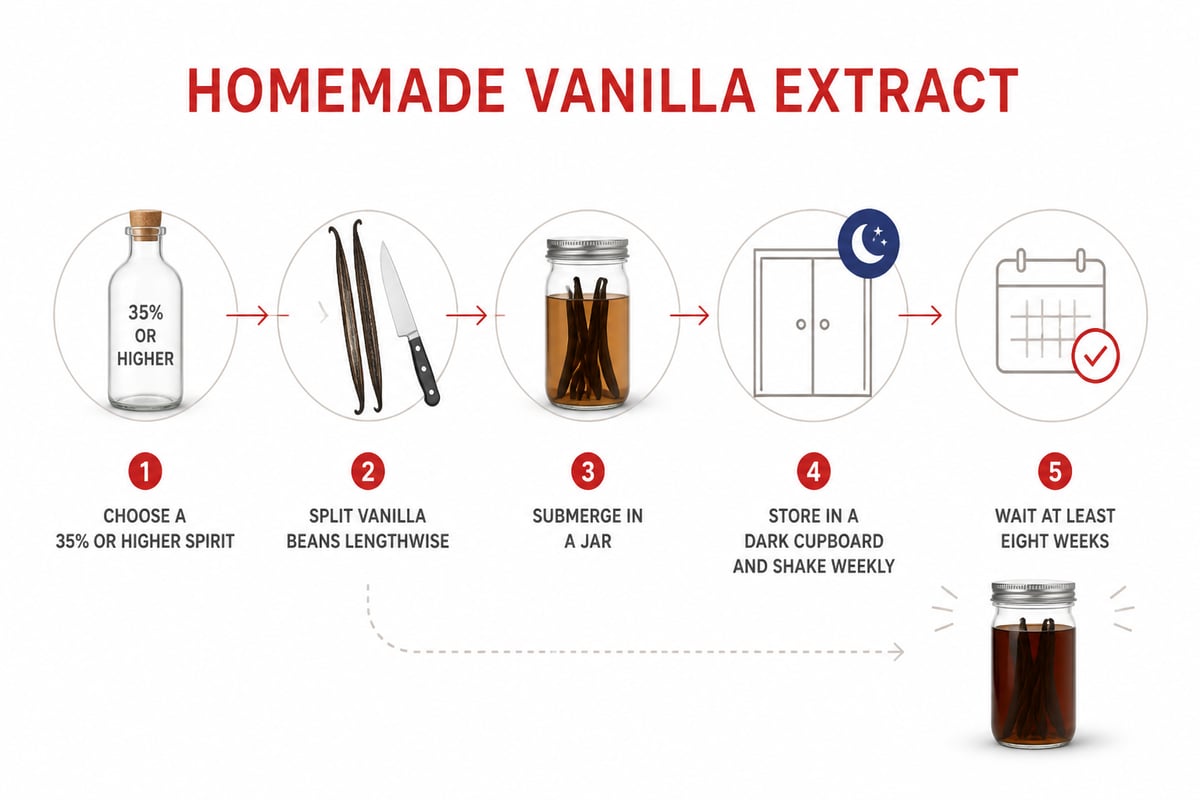
The best way to make homemade vanilla extract is to steep split vanilla beans in a high-proof spirit for at least eight weeks, shaking the jar occasionally. The process is simple, and the result is a pure extract you control.
- Choose your spirit. Vodka is the usual choice because it is neutral. Aim for a spirit of at least 35% alcohol by volume, which matches the minimum used in commercial extract standards.
- Split the beans. Cut each bean lengthwise to expose the seeds, and leave the pods whole in the jar.
- Combine in a clean jar. Use roughly one unit of beans to a measured amount of alcohol, following a trusted recipe, and make sure the beans are fully submerged.
- Store in a cool, dark cupboard. Shake the jar every week or so for the first two months.
- Wait. Eight weeks gives a usable extract, and several months gives a richer one. You can keep topping up the jar with more spirit as you use it.
Homemade extract is not a replacement for essence in every recipe. It is pricier per millilitre once you count the beans, and in a robust cake the difference is small. Where it shines is in custards, creams and no-bake fillings, so many bakers keep a small jar of homemade extract for special bakes and a bottle of everyday essence for the rest.
Is Vanilla Extract Safe During Pregnancy?
Vanilla extract and vanilla essence are generally considered safe in the small amounts used in baking, but it is sensible to check with a doctor or midwife about your own situation. Pure extract contains alcohol, though a teaspoon or two spread across a whole cake or batch of biscuits is a very small quantity, and some of it evaporates during baking.
If you would rather avoid alcohol altogether, look for alcohol-free vanilla flavouring or use vanilla paste or the scraped seeds of a fresh bean. For uncooked uses, such as a milkshake or whipped cream, the alcohol is not baked off, so keep the measure small or choose an alcohol-free option. This is general information rather than medical advice, and your healthcare provider can give guidance suited to you.
Storing and Using Vanilla Essence Well
Store vanilla essence in a cool, dark cupboard with the lid tightly closed, and it will keep its flavour for a long time. Heat and light dull the aroma, so avoid keeping it next to the stove or on a sunny windowsill.
Practical habits that make a difference:
- Add essence to the wet ingredients, such as creamed butter and sugar or beaten eggs, so it disperses evenly.
- Measure with a spoon, not a pour. A steady measure gives consistent results from batch to batch.
- For no-bake or cold recipes, add it last and mix gently, since there is no oven heat to mellow the sharper notes.
- Keep the bottle capped between uses. Essence contains volatile aroma compounds that escape when left open.
Vanilla also turns up in plenty of South African treats beyond the mixing bowl. Think of Tinkies in original vanilla, Bakers Red Label vanilla and chocolate cream biscuits, or a cold Steri Stumpie vanilla milk. For many South Africans abroad, these are the flavours that bring home straight back, and they sit naturally beside a bottle of essence in a well-stocked pantry.
If you are setting up a South African kitchen in New Zealand, vanilla essence is only one part of it. Spice blends, baking mixes and braai staples all help, and a dedicated South African shop saves the effort of tracking each one down separately. Something From Home is a South African shop and warehouse in New Zealand with an online store, which makes restocking straightforward whether you bake weekly or just at Christmas.
FAQ
Which is better, vanilla extract or vanilla flavouring?
Vanilla extract is better where vanilla is the main flavour, such as custards, ice cream and cold desserts, because it has a rounder, more complex taste. Vanilla flavouring or essence works well in oven-baked cakes and biscuits, where other ingredients carry much of the flavour and the lower cost is a real advantage.
Can I substitute vanilla essence for vanilla extract?
In most oven-baked recipes you can swap them at a 1:1 ratio, and the difference in the finished bake is usually slight. For delicate or no-bake dishes where vanilla stands out, the result will taste noticeably simpler with essence, so pure extract is the better pick there.
Does vanilla essence go off?
Vanilla essence keeps for a long time when stored in a cool, dark place with the lid closed, though its aroma can fade gradually. If it smells flat, harsh or off, or has changed colour noticeably, replace it rather than using more to compensate.
Check the back of your current bottle tonight, and if it is nearly empty or you have been making do with a substitute, restock with the brand you grew up baking with. Something From Home is a South African food store in New Zealand that stocks authentic South African groceries, from Moir's Vanilla Essence to baking mixes, snacks and braai essentials, so one order can cover your whole pantry. Browse the full range and shop available now online, or visit the store to find South African groceries in one place.