Vetkoek Guide: What They Are and Where to Buy Them in NZ
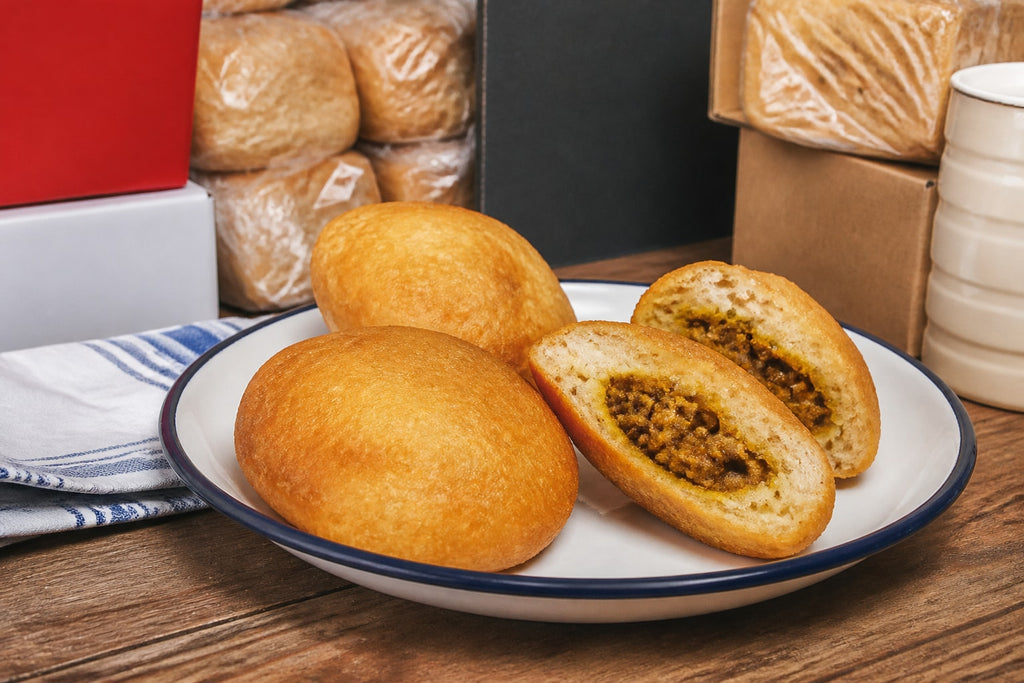
Vetkoek is a South African fried dough bread, golden and crisp outside and soft inside, eaten plain, filled with savoury mince or topped with something sweet. In New Zealand you can make it at home from a simple yeast dough or a ready-made mix, and the key ingredients and fillings are available from a South African food store online.
The name is Afrikaans for "fat cake", and the bread is also known as amagwinya, magwinya and legwinya, depending on the language and region. Wikipedia describes it as a South African fried dough bread with several regional names. For many South Africans living in New Zealand, a plate of vetkoek is one of the quickest ways to bring a familiar smell and taste into a kitchen far from home.
What Is Vetkoek?
Vetkoek is a ball of yeasted dough, deep-fried until puffed and deeply golden, then split open and filled or eaten as it is. The dough is simple: flour, yeast, salt, a little sugar, warm water and sometimes a touch of oil or milk.
Once fried, the texture sits somewhere between a doughnut and a bread roll. The outside is crisp and slightly blistered, while the inside stays light and fluffy. That contrast is what makes a good vetkoek so satisfying.
Vetkoek and its many names
The word "vetkoek" is the Afrikaans name. In Zulu and Xhosa-speaking communities the same food is commonly called amagwinya, and it is also known as magwinya or legwinya in other language communities.
The shape, size and eating occasion vary. Street vendors often sell small round balls from a bucket of hot oil, while home cooks may fry larger, flatter rounds designed to be split and stuffed.
How Do You Pronounce Vetkoek?
Vetkoek is pronounced roughly "fet-kook", with the first syllable like "fet" in "fetch" and the second like "cook" with a long "oo". The "v" in Afrikaans is softer than in English and sounds close to an "f".
New Zealanders often say it as "vet-cake", which is understood well enough, but "fet-kook" is closer to how it sounds in South Africa. The alternative name amagwinya is pronounced "ah-mah-GWEEN-yah".
Are Vetkoek and Magwinya the Same?
Vetkoek and magwinya are essentially the same food: a deep-fried yeast dough bread. The difference is mostly one of language and local habit rather than recipe.
Some cooks make magwinya slightly smaller and serve them as a quick snack or breakfast, while vetkoek in Afrikaans households is often a larger bread built into a full meal with mince. Both start from the same basic dough, and both are fried in hot oil until golden.
How Is Vetkoek Eaten?
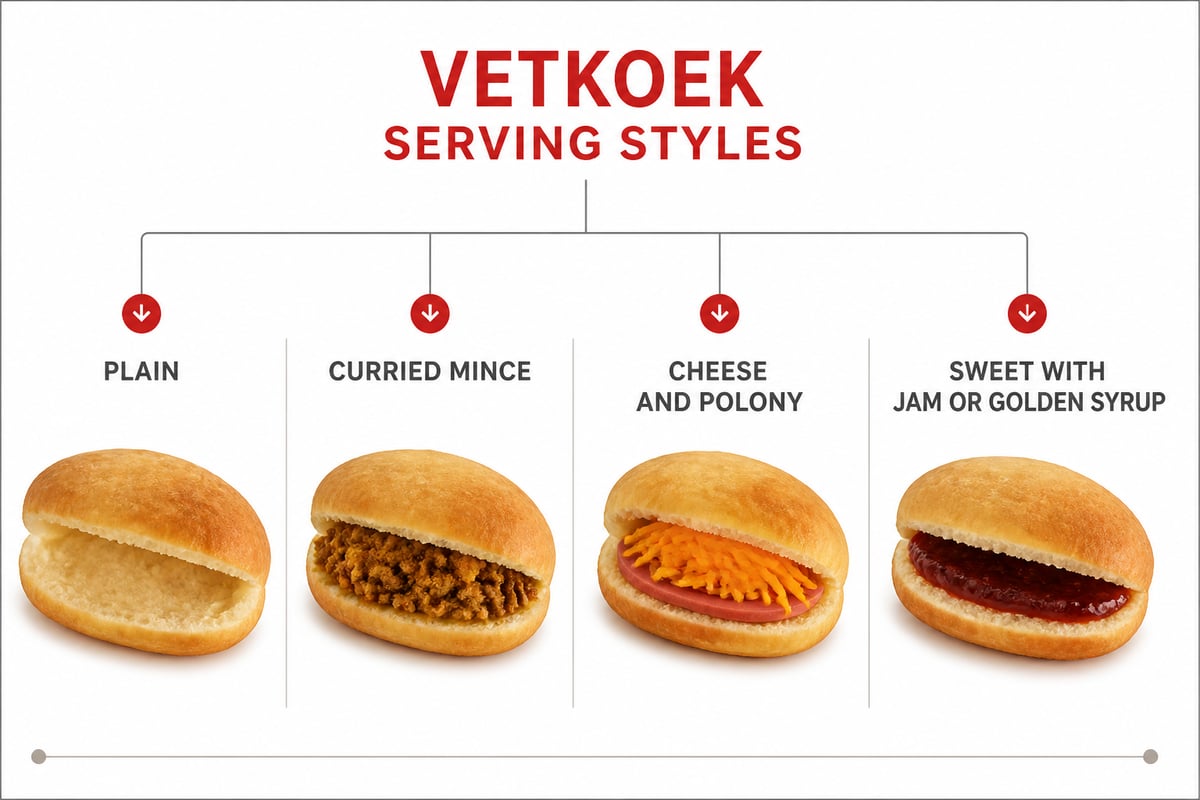
Vetkoek is eaten plain, split and filled with savoury mince or cheese, or served sweet with syrup or jam. Daily Maverick notes that it is commonly served plain or with fillings such as curried mince, with sweet versions served with syrup or jam.
A New Zealand-focused guide to popular South African food describes vetkoek as deep-fried dough balls served plain or with savoury or sweet fillings, including curried mince, cheese and jam. Those three options cover most of what you will see on a South African table.
Savoury fillings
Curried mince is the classic. The mince is cooked down with onion, garlic, curry spices and sometimes a little chutney until thick enough to stay inside the bread rather than run out. Cheese and polony are common quick options, and some families fill vetkoek with stew, chicken or even a fried egg.
If you want a quick seasoning base for a mince filling, Royco Usavi Mix Beef is a familiar South African pantry item. A spoonful of Jou Ma Se Chilli Pickle alongside adds heat and tang.
Sweet toppings
For a sweet vetkoek, split it while warm and add butter with apricot jam, golden syrup or a drizzle of condensed milk. Some households dust the plain vetkoek with cinnamon sugar as soon as it comes out of the oil, much like a doughnut.
What Is the Best Recipe for Fat Cakes?
The best recipe for fat cakes, as vetkoek is literally known, is a straightforward yeast dough with enough time to rise, fried in oil that is hot but not smoking. Fancy additions matter less than getting the dough hydration, proving time and oil temperature right.
A typical dough uses plain flour, instant yeast, salt, a small amount of sugar and warm water. Some recipes add a little oil or milk for softness. A published vetkoek recipe from Something From Home walks through the full method, and a second page collects the best vetkoek recipe ever if you prefer a tried family style. For more ideas, the site also has a round-up of vetkoek recipes.
Ingredients you will need
- Plain flour
- Instant dry yeast
- Salt and a little sugar
- Warm water
- Neutral oil for deep frying
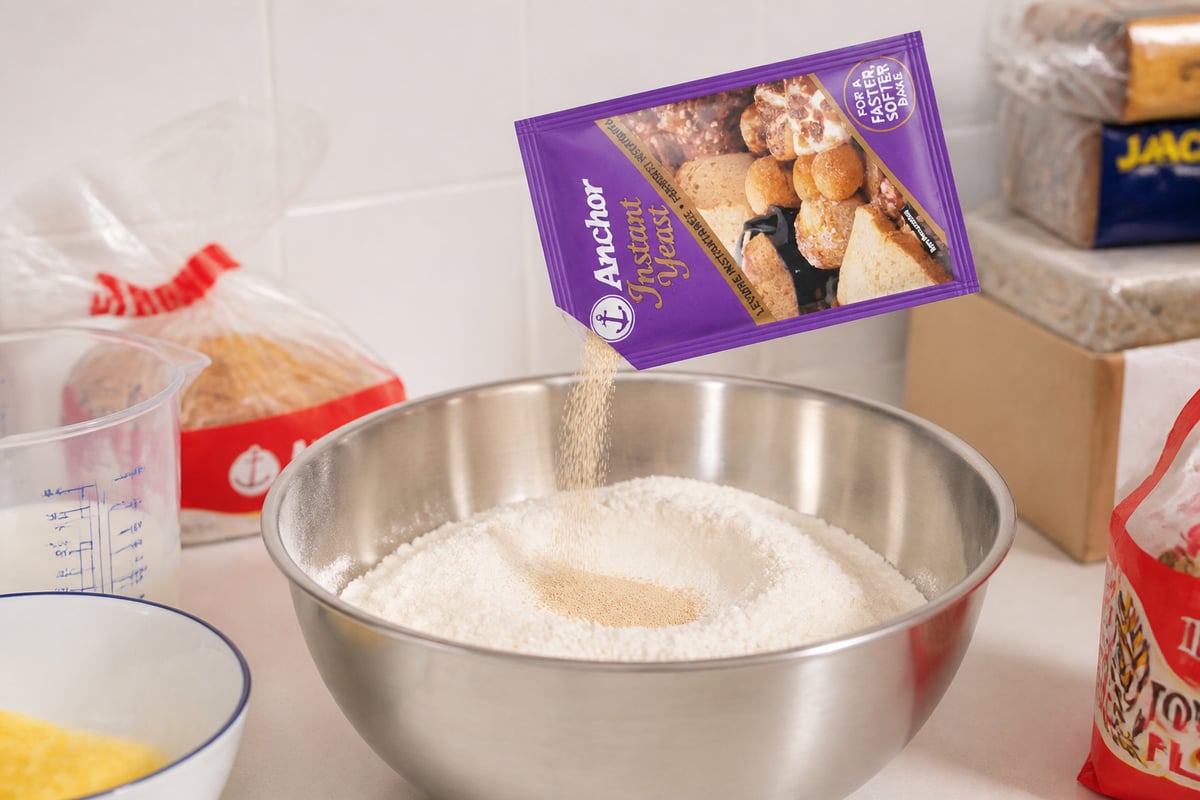
For the yeast, a small sachet is enough for a standard batch, and Anchor Instant Yeast Sachet 10g is the kind of fast-acting instant yeast you mix straight into the dry ingredients.
How to Knead Dough for Vetkoek
Knead vetkoek dough for about eight to ten minutes by hand, until it is smooth, elastic and springs back when pressed. The dough begins sticky, but resist adding too much extra flour, because a slightly tacky dough gives a lighter vetkoek.
A simple method works well:
- Combine the dry ingredients in a large bowl and stir in the warm water to form a shaggy dough.
- Turn it onto a lightly floured bench and push the dough away from you with the heel of your hand.
- Fold it back over itself, turn it a quarter and repeat.
- Continue until the surface looks smooth and the dough stretches without tearing.
A stand mixer with a dough hook will do the same job in around five minutes. If the dough feels too stiff, add a spoonful of warm water, and if it clings stubbornly to your hands after several minutes, dust the bench with a little flour.
How Long Does Vetkoek Dough Need to Rise?
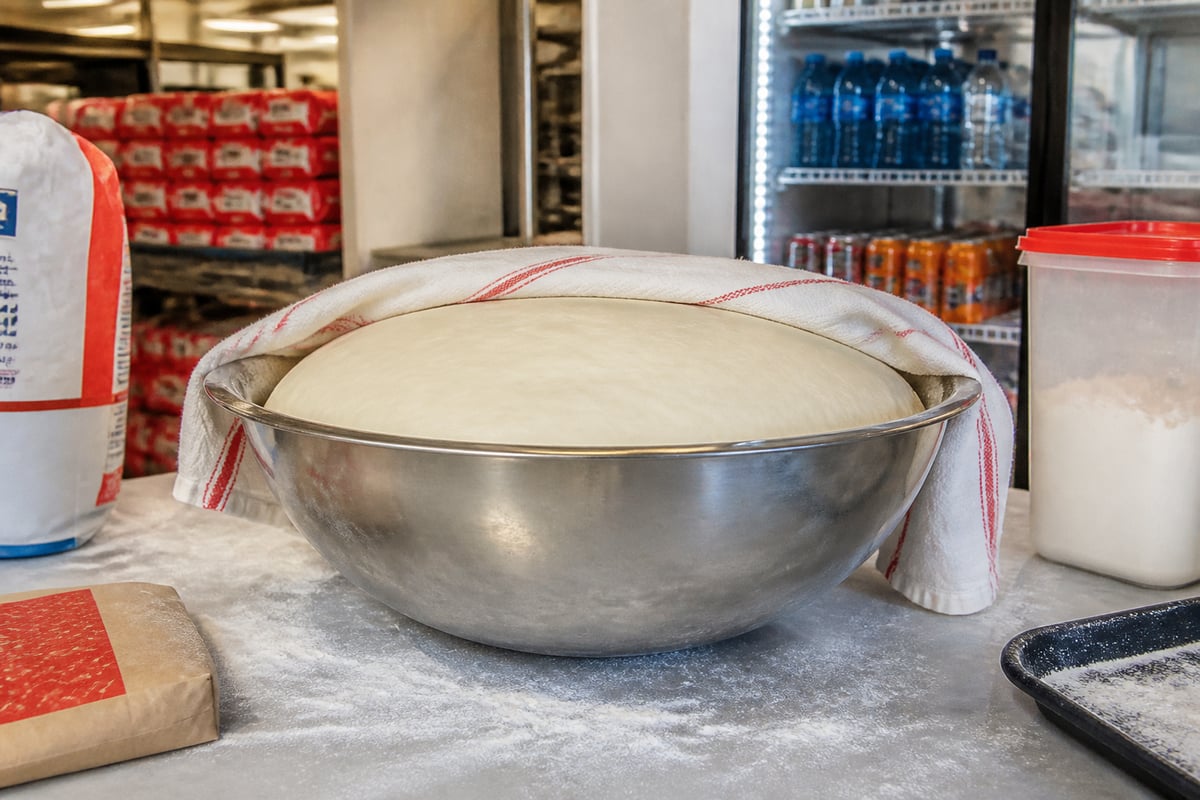
Vetkoek dough needs roughly an hour or more for its first rise, depending on how warm your kitchen is. The Something From Home recipe gives first-rise estimates that run longer in cooler conditions, so a warm kitchen rises far faster than a cold one.
That last range matters in New Zealand, where a winter kitchen can run cold. The dough is ready when it has roughly doubled in size and a gentle poke leaves a slow-springing dent. If you rush it, the vetkoek will be dense and heavy rather than airy.
For a cold kitchen, place the covered bowl in a warm spot such as a sunny windowsill or inside an oven that is switched off with the light on.
How to Fry Vetkoek So It Cooks Through
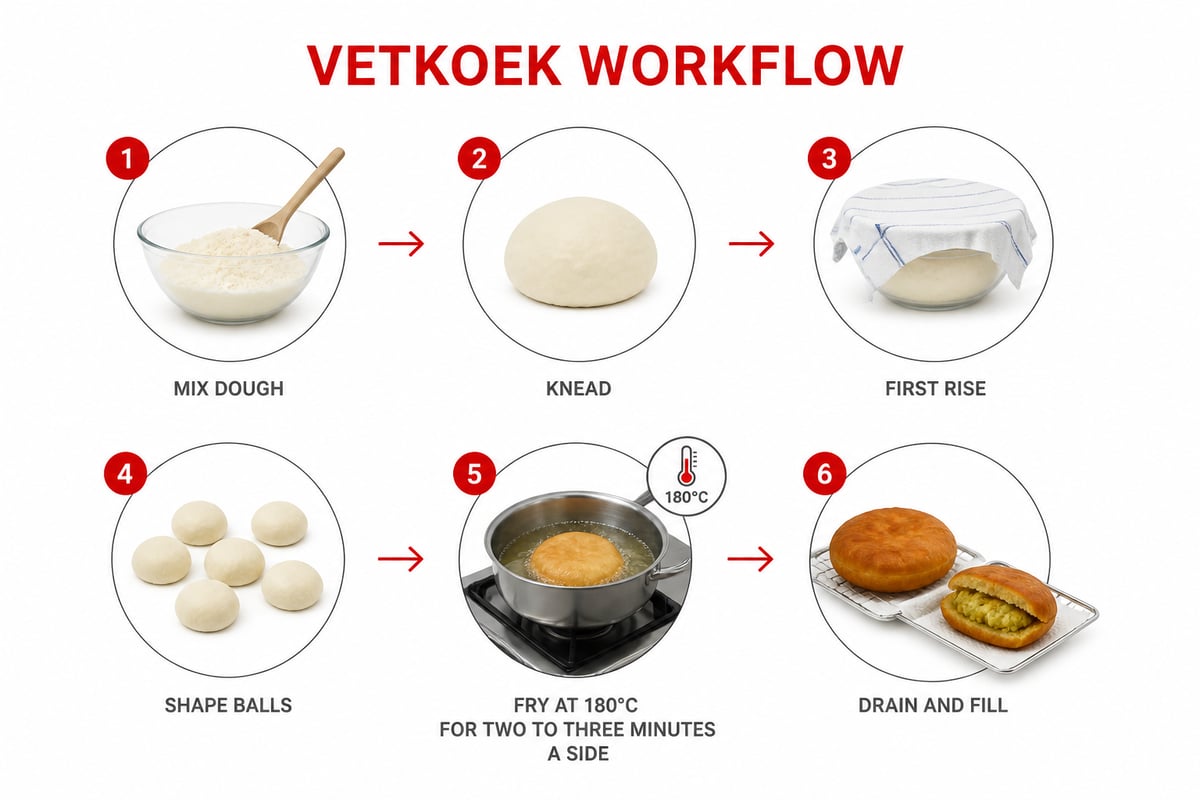
Fry vetkoek in oil at around 180°C, turning once, until each side is deep golden brown. The same published recipe recommends oil heated to 180°C and frying each side until deep golden brown.
Temperature is the most common point of failure. Oil that is too cool soaks into the dough and leaves it greasy, while oil that is too hot browns the outside before the centre is cooked.
Frying checklist
- Use a deep, heavy pot with at least 5 cm of oil.
- Test the heat with a small piece of dough, which should sizzle and rise steadily.
- Fry two or three at a time so the oil does not drop in temperature.
- Drain on paper towel and rest for a minute before splitting.
If the outside colours quickly but the centre feels doughy, lower the heat slightly and make the dough balls a little smaller next time.
Using a Vetkoek Mix
A ready-made vetkoek mix is the fastest route to a good result, especially if you are cooking for a crowd or introducing the dish to friends. You add water, rest the dough and fry, with the flour, salt and raising agents already balanced.
Eureka Mills Vetkoek Easy Home Mix 1kg is a South African mix sold in New Zealand, so you can keep a bag in the pantry for a weekend braai or a cold Saturday. It saves you measuring each ingredient and suits anyone who wants a dependable base before adding their own mince.
Where to Buy Vetkoek Ingredients in NZ
Most vetkoek ingredients such as flour, yeast and oil are in any New Zealand supermarket, but the South African extras are easier to find from a dedicated South African shop. Something From Home is a South African food store in New Zealand with a wide range of South African products, including groceries, snacks, braai supplies and home goods in one place.
You can order South African products online for delivery across New Zealand. For delivery times, costs and availability, check the individual product pages or contact the store directly.
For South Africans living in New Zealand, the appeal goes beyond convenience. Familiar brands and flavours carry memories of family tables, school fundraisers and Sunday lunches, and finding authentic South African brands rather than imitations or substitutes makes a real difference to a dish like vetkoek.
Vetkoek Beyond the Kitchen: Street Food and Braai Culture
Vetkoek sits comfortably in South African street food, takeaway counters and home kitchens, and it pairs naturally with a braai. A local-news feature on a vetkoek and bunny chow combination shows how cooks continue to reinvent the bread while keeping its customary fillings.
At a braai, vetkoek often appears as a side or a starter. Guests split a warm one and fill it with leftover mince, grilled boerewors or a spoonful of chutney. If you are lighting the fire for a gathering, Safari Charcoal Premium Grade 4kg or Safari Briquettes Premium Grade 4kg are familiar choices for the coals. For New Zealanders curious about South African food culture, a vetkoek spread is an approachable introduction, because everyone can build their own and no one needs to know the dish beforehand.
Storing and Reheating Vetkoek
Vetkoek is best eaten the day it is fried, but leftovers keep well for a couple of days in an airtight container at room temperature. Cooked vetkoek also freezes well, so you can fry a large batch and keep some for later.
To bring one back to life, reheat it in a moderate oven for around ten minutes or in an air fryer until the outside crisps again. Avoid the microwave if you can, as it softens the crust and leaves the bread chewy. Fillings such as curried mince should be stored separately and reheated until piping hot.
FAQ
Can I use self-raising flour for vetkoek?
Yes, though the texture is different. Self-raising flour produces a quick, cake-like vetkoek without a long rise, while plain flour with yeast gives the lighter, bread-like crumb most South Africans expect.
Why is my vetkoek greasy or doughy inside?
Greasy vetkoek usually means the oil was too cool, so the dough absorbed fat instead of crisping. A doughy centre points to oil that was too hot or balls that were too large, so lower the heat slightly and shape smaller portions.
Can I make vetkoek dough ahead of time?
You can mix and knead the dough, then rest it in a covered bowl in the fridge overnight for a slower rise. Bring it back to room temperature, shape it and fry as usual.
Check your pantry for yeast and decide whether you will make your dough from scratch or start with a mix. If you are missing anything, Something From Home is a South African food store in New Zealand with online ordering, and you can pick up a sachet of Anchor Instant Yeast alongside South African sauces, spices and braai supplies. Shop available now at this South African food store to get everything you need for your next batch of vetkoek.