
Guide to Koeksisters South Africa: Tradition & Taste 2026

Koeksisters in New Zealand: Quick Answer
Koeksisters are braided South African pastries made by frying dough and soaking it in chilled syrup. They are known for a crisp exterior and sticky, syrupy centre.
Shop now: Order a ready-to-eat pack of 12 koeksisters for collection from Something From Home.
Frequently asked questions
What is the difference between a koeksister and a koesister?
The names commonly refer to distinct South African traditions. An Afrikaans koeksister is braided and syrup-soaked, while a Cape Malay koesister is typically spiced, softer and often coated with coconut.
Where can I buy koeksisters in Auckland?
Something From Home offers freshly made ready-to-eat koeksisters in packs of 12 for collection. Check the product page for current availability.
Imagine biting into a golden, syrup-soaked koeksister—the crisp exterior shatters gently, revealing a soft, sweet centre that instantly evokes the spirit of koeksisters south africa. Across the globe, nostalgia and curiosity for South African treats are growing as these beloved desserts become cultural icons beyond their homeland.
Koeksisters are more than just a sweet treat; they represent heritage, celebration, and the warmth of community. This guide promises an immersive journey through their rich history, cherished traditions, step-by-step recipes, and the sensory joy they bring.
Discover, create, and savour authentic koeksisters, whether you are experiencing them for the first time or seeking a taste of home. Let’s explore the tradition and taste of koeksisters south africa together.
The Origins of Koeksisters: A South African Legacy
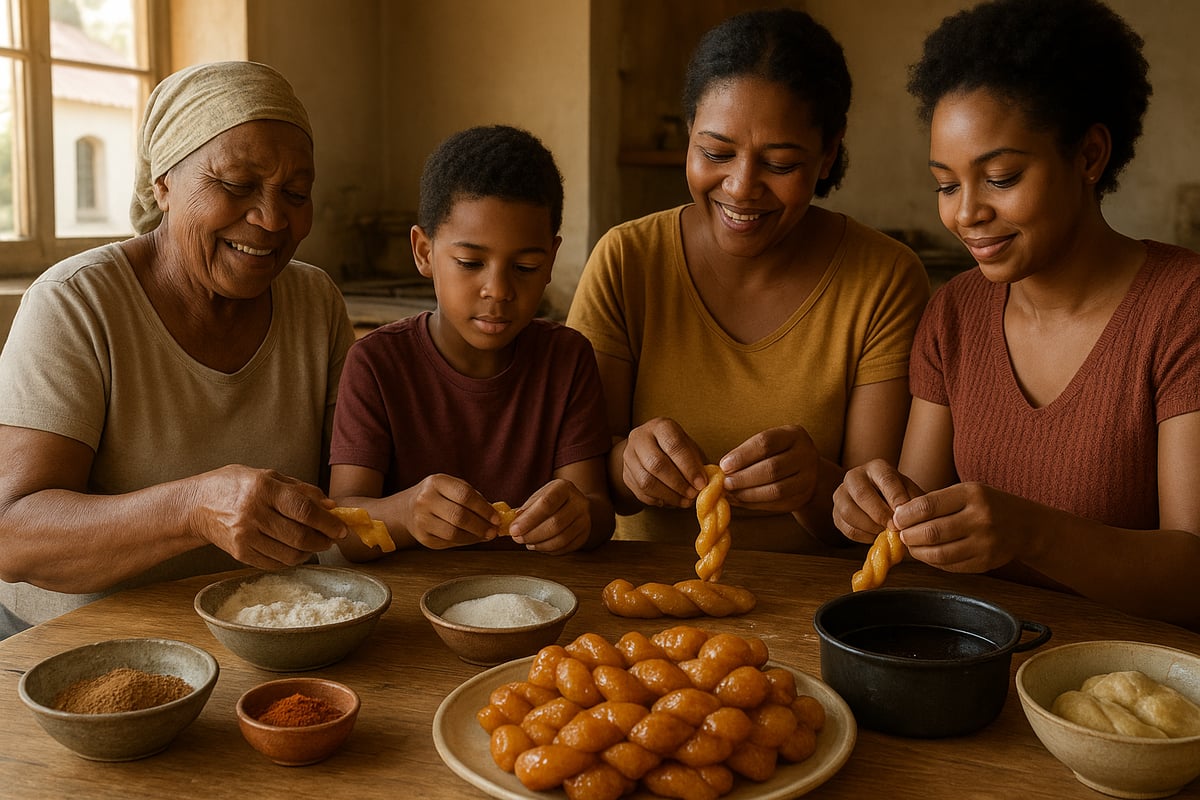
There is a certain magic in the tradition of koeksisters south africa. Picture a bustling kitchen on a weekend morning, the air thick with the scent of syrup and warm spices, as generations gather to plait and fry golden pastries. This ritual is more than baking, it is a living link to a vibrant culinary heritage.
Early Influences: Dutch and Cape Malay Heritage
The story of koeksisters south africa begins in the 17th century, when Dutch settlers arrived at the Cape of Good Hope. Bringing with them a love for rich pastries and sweet treats, they introduced baking techniques that would become foundations for local cuisine.
At the same time, the Cape Malay community, descended from enslaved people and exiles from Batavia (present-day Jakarta), brought their own traditions. Their influence is especially evident in the plaited form and fragrant syrup that define koeksisters. Pastries from the Indonesian archipelago, known for their braided shapes and syrupy finishes, inspired the unique style that sets koeksisters apart.
Over time, the recipes and customs of these two groups blended, creating a new, distinctly South African treat. The result is a pastry that speaks to the confluence of cultures, and the spirit of adaptation that defines koeksisters south africa.
From Batavia to the Cape: Evolution of a Classic
As Malayan settlers made the Cape their home, their recipes evolved with local ingredients and tastes. They introduced spices such as ginger and cinnamon, which remain essential in koeksisters today. The process of soaking golden, fried dough in cold syrup, a hallmark of the dish, reflects both Dutch and Southeast Asian influences.
The etymology of “koeksister” traces to the Dutch word “koekje,” meaning “cookie” or “cake.” Over generations, the name and the method were refined. Two main versions emerged: the crisp, syrup-soaked Afrikaner koeksister and the Cape Malay koesister, which is spiced, cake-like, and often finished with coconut.
For those interested in a deeper exploration of the dish’s origin and its many variations, the resource Koeksisters in South African Cuisine provides valuable insights into the evolution of koeksisters south africa, highlighting its journey from a colonial treat to a national icon.
The Meaning Behind the Name
The distinction between Afrikaner koeksisters and Cape Malay koesisters is more than just spelling. Afrikaner koeksisters are known for their glossy, crisp exterior and intense sweetness, achieved by immediate syrup immersion. In contrast, Cape Malay koesisters are softer, spiced, and rolled in coconut, reflecting different histories and cultural influences within koeksisters south africa.
This divergence is a testament to how food travels and transforms. Each version carries memories of migration, adaptation, and the search for comfort in a new land. The word “koeksister” itself is a bridge between past and present, uniting communities through a shared love of tradition.
Koeksisters in South African Homes and Celebrations
Koeksisters south africa are not just a dessert, but a symbol of togetherness and resilience. Local surveys consistently rank koeksisters among the top five South African desserts, a testament to their enduring popularity.
Family traditions often revolve around making koeksisters on weekends or during holidays. The act of plaiting dough, heating syrup, and sharing the final, sticky-sweet result is a ritual that connects generations. Many South Africans fondly recall childhood memories of helping a parent or grandparent in the kitchen, passing down skills and stories along with the recipe.
In every bite, koeksisters south africa embody the spirit of adaptation and continuity. Their journey from colonial kitchens to modern celebrations is a reminder of how food can preserve culture, foster community, and create moments of joy that last a lifetime.
Anatomy of a Koeksister: Ingredients & Flavour Profile
The magic of koeksisters south africa begins with just a few humble ingredients, each playing a unique role in creating this iconic treat. Flour forms the base, giving structure and body to the dough. Baking powder brings lightness, while sugar provides sweetness and helps with browning. Butter or margarine adds richness and a tender crumb, and eggs lend both moisture and stability. Milk, whether regular or soy, creates a soft, workable dough, and neutral oil is essential for frying to a golden finish.
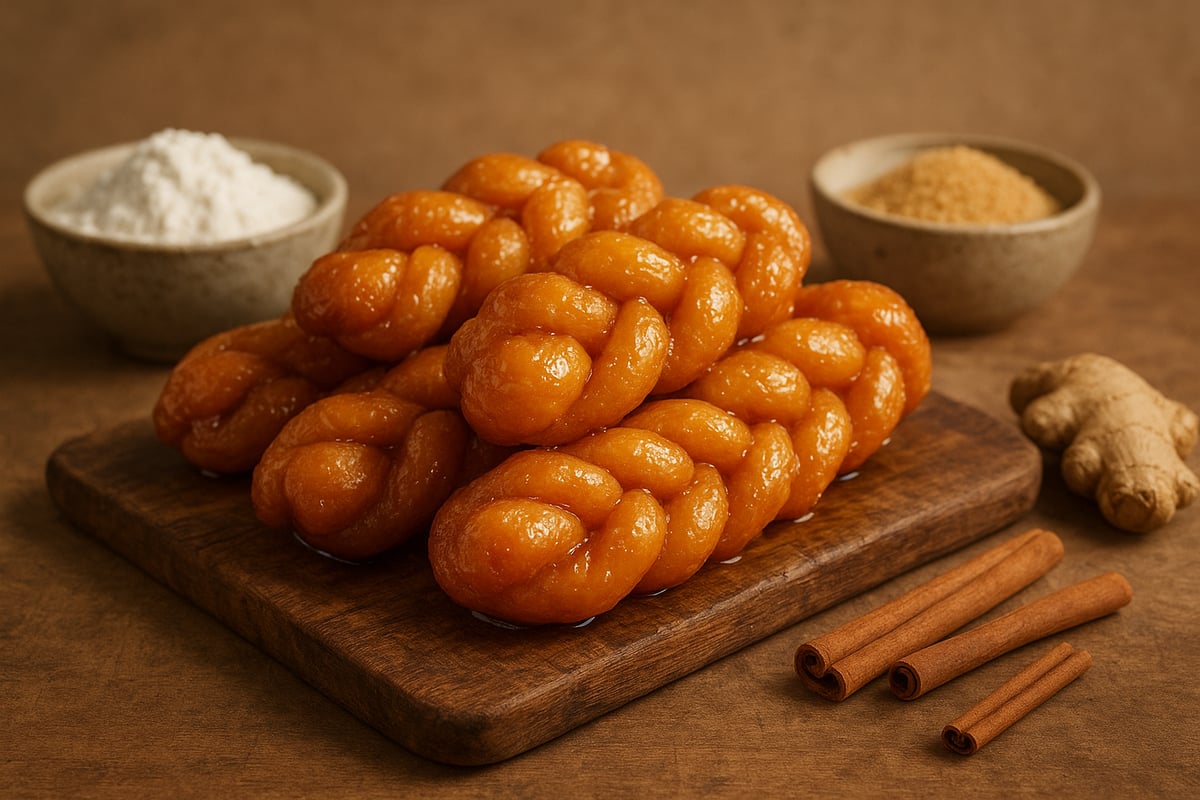
At the heart of koeksisters south africa is the aromatic syrup. Made from sugar, water, lemon juice, ginger, and cinnamon, this syrup infuses the pastry with signature flavour. Some recipes include a dash of vanilla or even glycerine for sheen and texture. The syrup must be ice-cold when the hot pastries are dipped, ensuring they soak up maximum sweetness and develop their iconic sticky glaze.
Ingredient variations are common in koeksisters south africa. Some families use yeast instead of baking powder, resulting in a lighter, more bread-like crumb. Butter is often swapped for margarine, and soy milk is a popular alternative for those seeking a dairy-free option. Each choice subtly changes the taste and texture. For sourcing authentic baking supplies, the Baking Essentials Collection offers everything you need for traditional koeksisters south africa.
Regional differences add further depth. Afrikaner koeksisters are crisp and deeply syruped, while Cape Malay koesisters are spiced, softer, and often finished with a dusting of coconut. The table below highlights key distinctions:
| Feature | Afrikaner Koeksister | Cape Malay Koesister |
|---|---|---|
| Texture | Crisp, crunchy | Soft, cake-like |
| Flavour | Syrupy, lemon, ginger, cinnamon | Spiced (cardamom, aniseed), coconut |
| Finish | Glossy, sticky | Rolled in desiccated coconut |
The secret to perfect koeksisters south africa lies in the balance of texture and syrup. The outer shell must be crisp, yet the interior should remain soft and saturated with syrup. Experts recommend a syrup-to-pastry ratio of 2:1 for optimal absorption. Chilling the syrup overnight, as the Chelsea Sugar recipe suggests, helps the hot pastries soak up up to 30 percent more syrup, creating that irresistible sticky-sweet bite.
Ultimately, the hallmark of koeksisters south africa is the harmony between crispness and syrupy indulgence. Whether you follow a treasured family recipe or experiment with new twists, it is this balance that makes each mouthful unforgettable.
Step-by-Step Guide: How to Make Traditional Koeksisters
Making koeksisters south africa style is a rewarding journey that combines tradition, precision, and the joy of sharing. Each step, from syrup to serving, holds secrets that unlock the authentic taste and texture this iconic treat is known for. Let’s walk through the process, ensuring every batch captures the essence of koeksisters south africa.
Preparing the Syrup
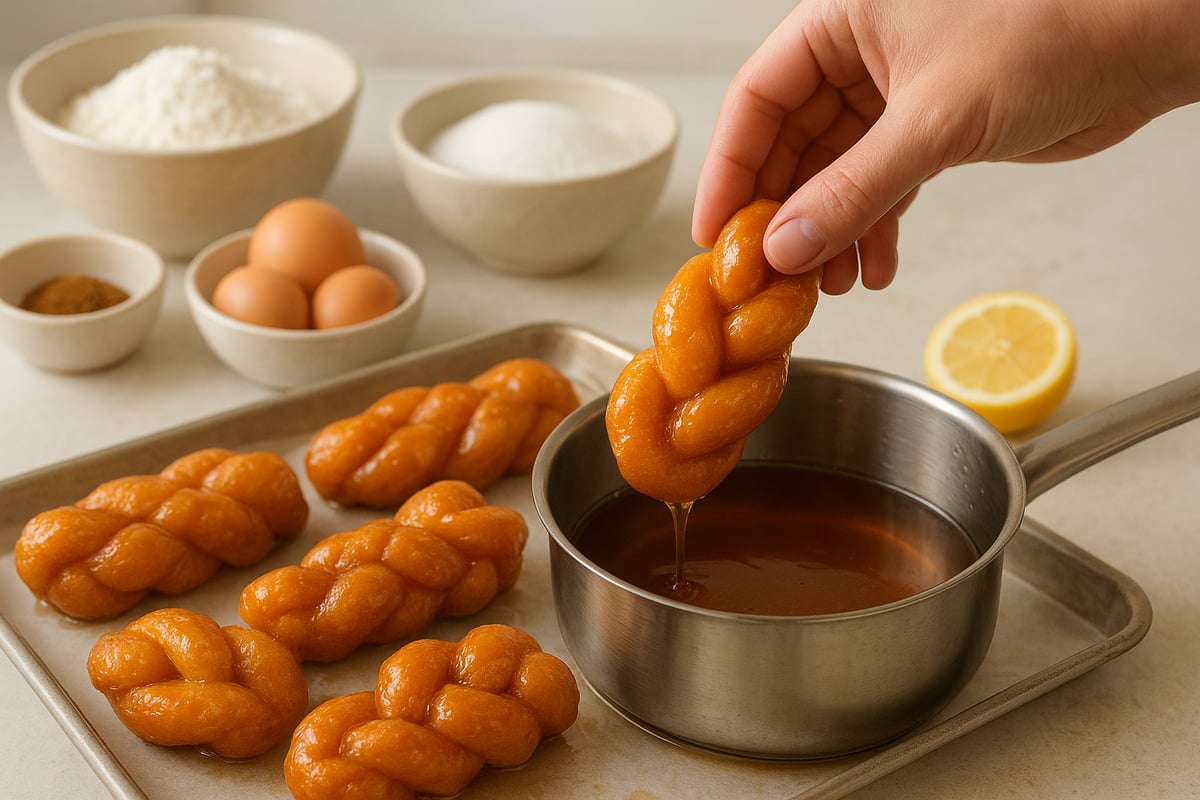
The syrup is the heart of koeksisters south africa, delivering that signature sticky sweetness and glossy finish. To start, combine sugar, water, fresh lemon juice, slices of ginger, and cinnamon sticks in a saucepan. Gently simmer until the sugar dissolves, then bring to a short boil.
Remove from heat and chill the syrup in the fridge overnight. This step is crucial, as ice-cold syrup helps the hot koeksisters absorb flavour while keeping their exterior crisp. Many bakers recommend preparing two batches of syrup—keep one cold while using the other, then rotate as needed.
According to Food.com community tips, properly chilled syrup can boost absorption by up to 30 percent. The Chelsea Sugar recipe also highlights overnight chilling for maximum taste. This old-school technique is a cornerstone of koeksisters south africa, ensuring every bite is perfectly layered with sweetness.
Making the Dough
For the dough, blend flour, baking powder, sugar, and a pinch of salt in a large bowl. Rub in cold butter until the mixture resembles breadcrumbs. In a separate bowl, whisk eggs and milk, then combine with the dry ingredients.
Add water gradually, mixing until a soft, scone-like dough forms. Knead briefly, just enough to bring everything together—overworking can toughen the final texture. Cover the dough and refrigerate for at least 30 minutes, up to several hours, to develop structure.
Some koeksisters south africa recipes use yeast for a lighter, spongier texture, but baking powder is traditional for the classic crisp result. The dough’s consistency is key, as it sets the foundation for the iconic plaited shape and syrup absorption.
Shaping and Plaiting
Roll the dough to about 5mm thick on a lightly floured surface. Cut into rectangles, then slice each rectangle into three strips, leaving the top joined. Plait the strips loosely, pinching the ends to seal. This signature braid is a defining feature of koeksisters south africa.
If you want to make plaiting easier and more uniform, consider using Koeksister Cookie Cutters, which streamline the shaping process for home bakers. Cover the plaited pieces with a damp cloth as you work, preventing them from drying out.
Many families make this step a communal event, with children learning to plait alongside parents or grandparents. It’s a moment where tradition is literally woven into each koeksister, reflecting the community spirit of koeksisters south africa.
Frying to Perfection
Heat sunflower oil or canola oil in a deep pot to 170°C. Fry 2–3 koeksisters at a time, turning them until both sides are a rich golden brown. Use a slotted spoon for safe handling and to drain excess oil.
Maintaining the right oil temperature is vital—too hot and the outside will burn before the inside cooks, too cool and the koeksisters will absorb too much oil. Even frying ensures the classic crispness that sets koeksisters south africa apart from other pastries.
A kitchen thermometer can help you monitor the temperature for consistent results. Frying in small batches keeps the oil steady and the koeksisters perfectly cooked every time.
Soaking in Syrup
As soon as the koeksisters come out of the oil, immediately submerge them in the ice-cold syrup. Let them soak for about 30 seconds, gently pressing to help the syrup penetrate the pastry.
Alternate between two batches of syrup to keep it cold and fresh for each round. This step is where the magic happens—the contrast of hot pastry and cold syrup locks in the signature texture of koeksisters south africa.
Place the syrup-soaked koeksisters on a cooling rack to drain excess syrup. This technique ensures each treat is glossy, sticky, and bursting with flavour in every bite.
Serving and Storing
Koeksisters south africa are best enjoyed fresh, slightly warm, and impossibly crisp. However, they freeze exceptionally well—just pack them in airtight containers after syruping and serve directly from the freezer.
Many families prepare large batches ahead of special occasions, ensuring there’s always a sweet treat on hand. Whether served at tea time or during celebrations, koeksisters south africa bring a taste of tradition to any table.
Their unique combination of textures and flavours makes them a beloved favourite, connecting generations across continents.
Koeksisters in South African Culture & Celebrations
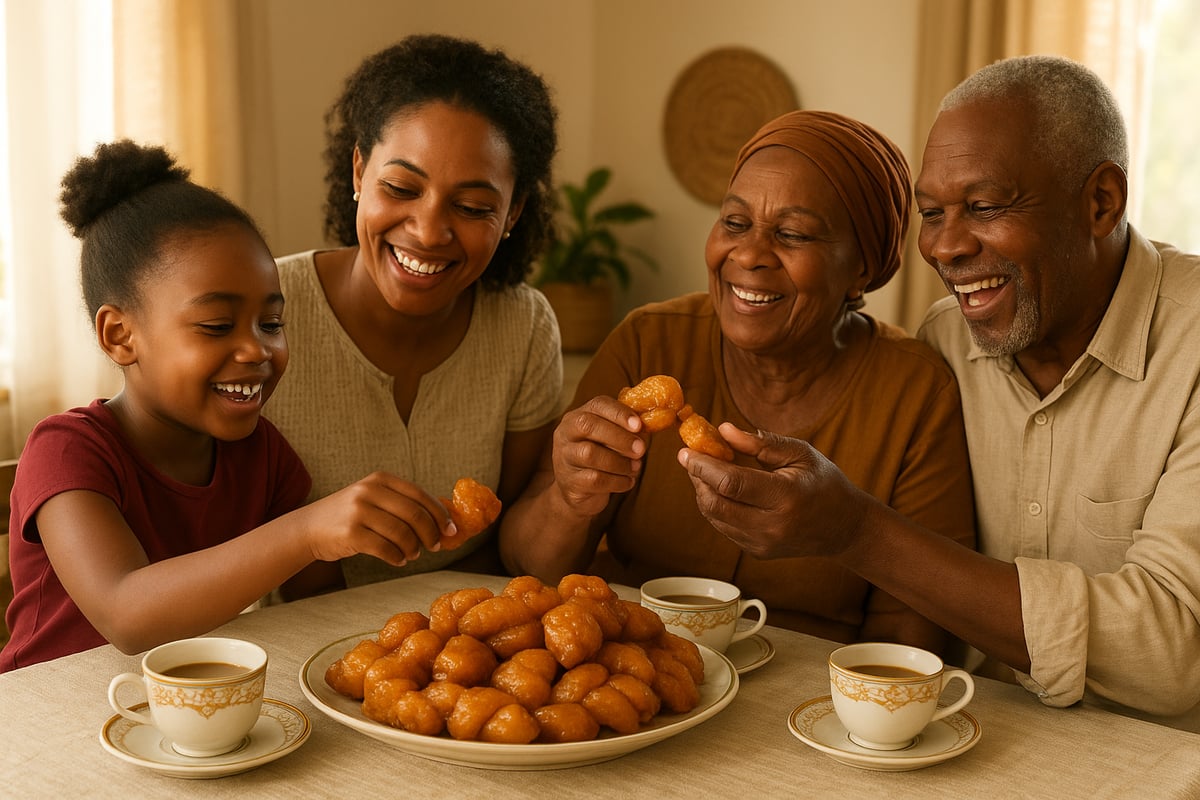
Few treats capture the spirit of gathering and joy quite like koeksisters south africa. Picture a plate piled high with these golden, syrup-soaked braids at a family table, laughter echoing as everyone reaches for a piece. Whether it is a quiet Sunday tea or a bustling wedding, koeksisters are woven into the very fabric of South African life.
The Social Ritual of Koeksisters
Koeksisters south africa are far more than a dessert. They are a social ritual, enjoyed at morning teas, after church services, and during family reunions. It is common for households to prepare large batches ahead of important weekends or holidays, ensuring there is always a fresh supply for guests. Sharing koeksisters signals a warm welcome, turning a simple visit into a cherished memory.
At tea times, a plate of koeksisters brings people together, encouraging conversation and connection. The tradition of serving these sweets is a sign of hospitality, reflecting the South African value of making guests feel at home.
Family Traditions and Heritage
For many, the art of making koeksisters south africa is a skill passed down from grandmother to grandchild. Recipes are often handwritten, splattered with syrup, and lovingly guarded within families. The process itself—plaiting the dough, frying to golden perfection, and soaking in syrup—becomes an opportunity to bond across generations.
The act of making koeksisters is just as important as eating them. Children are invited to help with plaiting, learning hands-on and building memories alongside their elders. This ritual keeps heritage alive, ensuring that each new generation understands the significance and technique behind every batch.
For a deeper look at the cultural importance and variations of koeksisters, you might enjoy the insights found in Koeksisters - Sweet South African tradition.
Koeksisters at Celebrations and Events
Public celebrations in South Africa would not be complete without koeksisters south africa. Weddings, school fundraisers, and church bazaars regularly feature tables laden with these treats. Koeksisters are also a popular choice at community fairs, where friendly competition leads to “koeksister competitions” that judge entries on appearance, texture, and syrupy sweetness.
At school events, home-baked koeksisters are a favourite for bake sales, often selling out quickly. Their presence at so many occasions cements their reputation as a dessert that brings people together, no matter the event.
Cultural Symbolism and Variety
Koeksisters south africa rank among the top three desserts served at weddings and major celebrations, according to recent surveys. Their enduring popularity is a testament to their role as a symbol of resilience, sharing, and joy. Importantly, there are two celebrated types: the Afrikaner koeksister, known for its crispy, syrup-laden exterior, and the Cape Malay koesister, which is spiced, soft, and finished with coconut.
This diversity reflects South Africa’s multicultural heritage, with each version representing a different community and set of traditions. No matter the style, serving koeksisters is a gesture of generosity and pride, keeping the spirit of South African celebration alive in every sweet bite.
Modern Twists & Koeksisters in 2026
The world of koeksisters south africa is evolving, blending cherished tradition with inventive flair. Across continents, both nostalgic expats and adventurous foodies are discovering new ways to enjoy this iconic treat. Whether you are a purist or a trendsetter, there is a koeksister for every palate in 2026.
Innovative Variations and Flavour Fusions
Koeksisters south africa have undergone a creative renaissance, with bakers experimenting beyond the classic syrup-soaked plait. Today, you will find mini koeksisters perfect for sharing, chocolate-dipped versions for a decadent twist, and even gluten-free and vegan adaptations that cater to diverse dietary needs.
Flavour infusions are trending, with syrups scented with rosewater, cardamom, or citrus zest offering a fresh take on the traditional recipe. Some artisanal bakeries in South Africa and abroad even offer limited-edition batches featuring seasonal spices or unexpected pairings. For those interested in exploring classic and contemporary South African flavours, Traditional South African Dishes provides valuable context on how koeksisters fit into the broader culinary landscape.
The result is a vibrant array of choices, making koeksisters south africa not just a nostalgic favourite, but a canvas for culinary innovation.
Koeksisters South Africa Global Trends and Artisanal Revival
The demand for koeksisters south africa is surging worldwide, especially in New Zealand and Australia. Artisanal bakeries and cafes are at the forefront, presenting gourmet versions that appeal to both expats and locals. Google Trends data reveals a 20 percent jump in global searches for “koeksisters recipe” between 2023 and 2026, highlighting their growing appeal.
Bakeries now offer everything from bite-sized koeksisters to beautifully boxed assortments, making them a popular gift and a feature at celebrations. Many shops proudly use local and imported ingredients to replicate the authentic taste of koeksisters south africa, ensuring that tradition is preserved while embracing new ideas.
Some establishments even host koeksister workshops, inviting both young and old to learn the art of plaiting and syrup-dipping. This hands-on approach strengthens the sense of community and keeps the heritage alive for the next generation.
Koeksisters in the Digital Age Social Media and Community
Social media platforms have become a powerful stage for the koeksisters south africa revival. Instagram and TikTok abound with #koeksisters posts, where home bakers and professionals alike showcase their creative presentations and unique twists. Videos of syrup-dipping, plaiting techniques, and taste tests attract thousands of views, sparking global curiosity and engagement.
These digital communities are more than just trendsetters. They foster connections among South Africans worldwide, sharing recipes, troubleshooting tips, and cultural stories. For many, posting a picture of homemade koeksisters south africa is a way to celebrate tradition while embracing the creativity of the present.
In 2026, koeksisters south africa stand at the crossroads of heritage and innovation. No matter the twist, the essence of sweetness, sharing, and nostalgia endures.
Tips, Troubleshooting & Frequently Asked Questions
Perfecting koeksisters south africa takes patience, precision, and a few insider tricks. Even experienced bakers encounter challenges, from dough that splits to syrup that crystallises. A little know-how transforms these pitfalls into opportunities for delicious success.
Mastering the Perfect Koeksister
The secret to koeksisters south africa lies in the details. Let’s tackle the most common issues and their solutions:
| Problem | Solution |
|---|---|
| Dough falls apart | Use fresh baking powder and knead gently. |
| Raw centres | Keep oil at 170°C and avoid overcrowding the pan. |
| Syrup crystallises | Simmer syrup gently, avoid overcooking, and soak thoroughly. |
| Koeksisters turn hard | Ensure syrup is ice-cold and soak immediately after frying. |
Always use quality ingredients. If you are in New Zealand or Australia, sourcing authentic items can be easier with the South African Groceries Selection. Fresh flour, pure Chelsea White Sugar, and real spices make all the difference for koeksisters south africa.
Here are a few extra tips:
- Keep syrup batches cold by alternating bowls.
- Use separate utensils for syrup and oil to prevent sogginess.
- Let dough rest in the fridge for a light, tender crumb.
- Invite family to help with plaiting, making it a shared tradition.
If you want to dive deeper into the story of koeksisters south africa and discover why they’re beloved across the globe, check out this feature: Koeksisters are the South African doughnuts you need to taste.
Frequently Asked Questions
Can koeksisters south africa be made ahead and frozen?
Yes, after soaking in syrup, freeze them in an airtight container. Serve straight from the freezer for a quick treat.
How do I keep koeksisters soft and syrupy?
Soak the fried pastries in ice-cold syrup immediately. This locks in moisture and keeps the texture just right.
Can I use regular milk instead of soy?
Absolutely. Both work well for koeksisters south africa. Soy milk adds a subtle flavour, while regular milk gives a classic richness.
Why does sugar crystallise on my koeksisters?
Overcooking syrup or not soaking long enough can cause crystallisation. Simmer syrup gently and ensure koeksisters south africa are immersed fully for at least 30 seconds.
What if my dough is too sticky or dry?
Add a little flour if sticky, or a splash of milk if dry, until you achieve a soft, workable dough.
Can I experiment with flavours?
Yes, try spices like cardamom, or finish with coconut for a Cape Malay twist. For more on the difference between koesisters and koeksisters, see The difference between koesisters and koeksisters.
Remember, koeksisters south africa are as much about tradition as taste. Every batch is a chance to perfect your skills and share a piece of home.
As you’ve discovered, koeksisters are much more than a sweet treat—they’re a taste of home, a celebration of heritage, and a way to connect with loved ones near and far. If you’re feeling inspired to recreate these golden, syrup-soaked delights or to explore other authentic South African flavours, you’ll find everything you need just a click away. Whether you’re after traditional baking essentials or new favourites to try, you can view product range and bring a little more South African tradition into your kitchen, wherever you are in New Zealand or Australia.