Popular South African Snack Brands Available in NZ
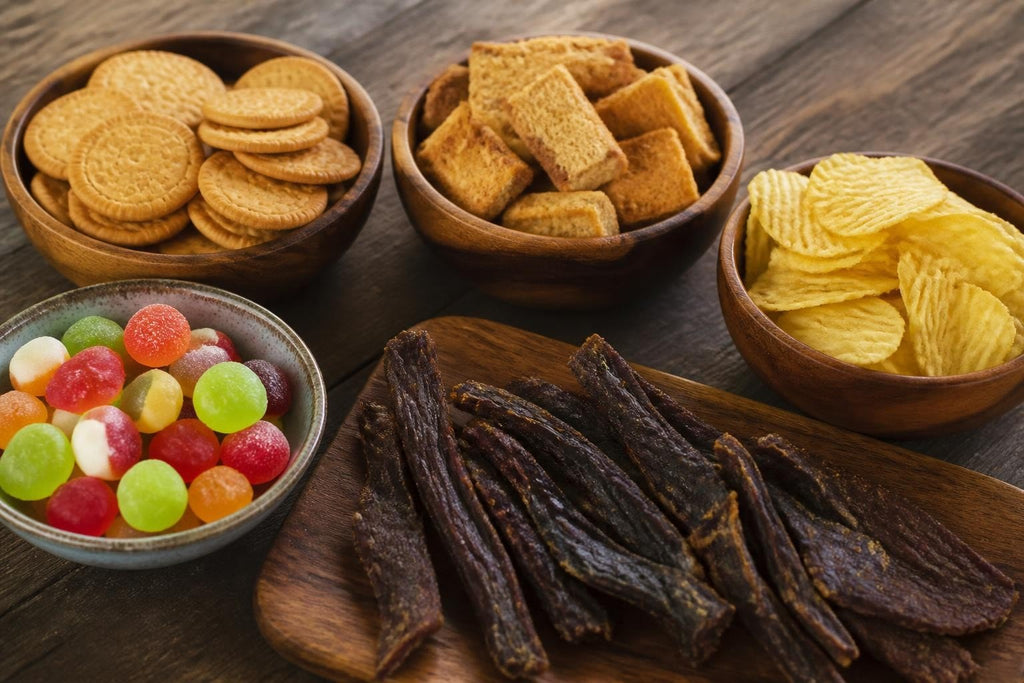
South Africa's snack food industry represents a vibrant and diverse landscape that reflects the nation's multicultural heritage and unique food traditions. For South Africans living abroad, particularly in New Zealand, these familiar brands carry far more than nutritional value; they represent connection to home, childhood memories, and cultural identity. The popular South African snack brands available through specialist retailers have grown exponentially in recent years, catering to the thousands of South African expats seeking comfort foods that remind them of braais, family gatherings, and everyday indulgences. Understanding which brands dominate the market helps expatriates navigate their shopping choices whilst appreciating the rich tapestry of South African snacking culture.
The Heritage Biscuit Brands That Define South African Snacking
South Africa's biscuit heritage centres around several iconic brands that have maintained market dominance for generations. Bakers stands as perhaps the most recognizable name, producing beloved treats that span multiple categories and taste preferences.
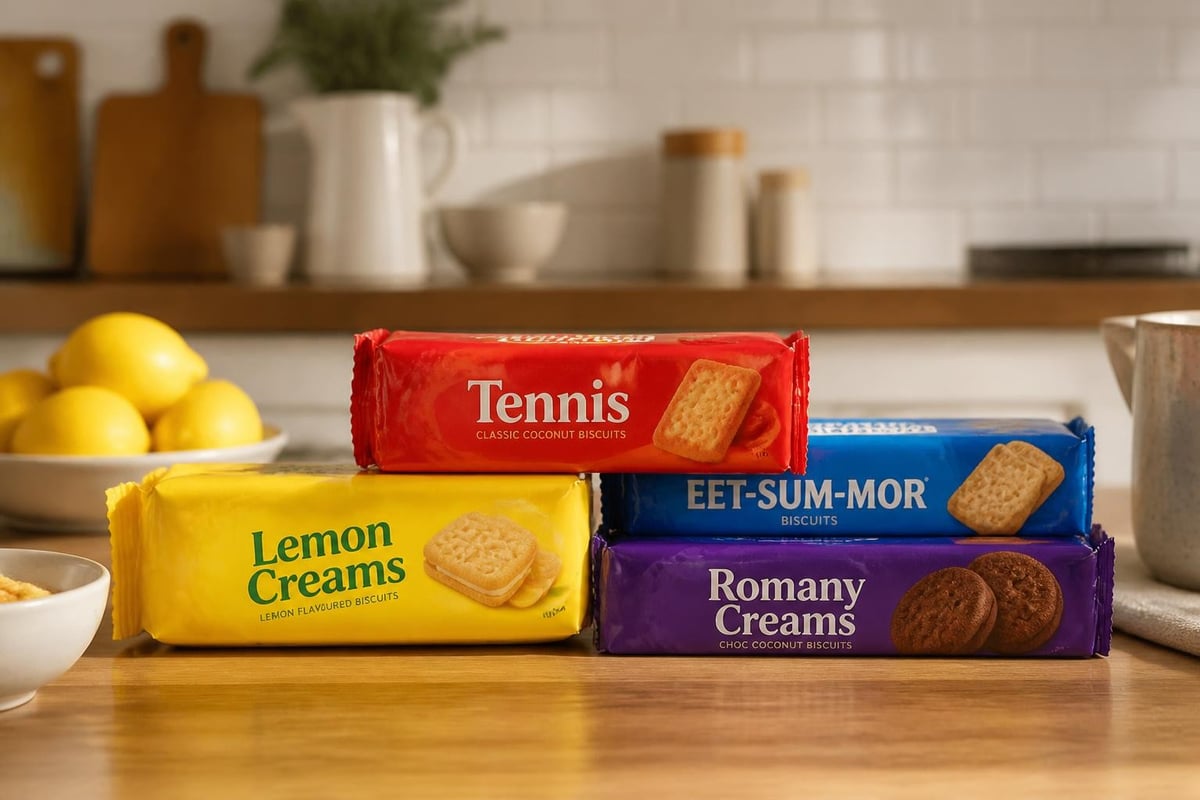
Bakers Tennis Biscuits remain one of the most requested items amongst South African expats, featuring their distinctive coconut-topped vanilla biscuits sandwiched with soft caramel filling. The brand's portfolio extends considerably beyond this single product line.
Bakers' Extensive Product Range
The Bakers family includes numerous varieties that cater to different snacking occasions:
- Bakers Red Label Lemon Creams with their tangy citrus filling
- Bakers Eet-Sum-Mor shortbread biscuits, whose name translates to "eat some more"
- Romany Creams in chocolate and original flavours
- Bakers Choice Assorted varieties for entertaining
Each product carries specific flavour profiles and textures that South African consumers have grown accustomed to over decades. The manufacturing processes and ingredient ratios create tastes that simply cannot be replicated by international equivalents, explaining why these popular South African snack brands available overseas command such loyalty.
According to market analysis from Mordor Intelligence, the South African savoury snacks market demonstrates consistent growth, though sweet biscuits maintain their position as pantry staples across demographics.
Rusks: The Quintessential South African Morning Ritual
No discussion of popular South African snack brands available would be complete without addressing rusks, the twice-baked delicacies that accompany morning coffee across the nation. These items transcend simple snacking to represent cultural practice.
Ouma Rusks dominate the category with unparalleled market share. The grandmother figure on the packaging symbolises homemade quality and traditional preparation methods. Ouma Rusks come in multiple flavours, including buttermilk, muesli, condensed milk, and bran varieties.
Competitive Rusk Brands
| Brand | Signature Varieties | Key Differentiator |
|---|---|---|
| Ouma | Buttermilk, Muesli, Condensed Milk | Market leader, traditional recipe |
| Alettes | Sliced Buttermilk, Whole Wheat | Pre-sliced convenience format |
| Bakers | All Bran, Wholegrain | Health-focused positioning |
| Shoprite Checkers House Brand | Value varieties | Affordability |
The rusk market demonstrates how product format innovation (pre-sliced versus whole) creates distinct consumer segments within a single category. South Africans living in New Zealand particularly value Alettes Rusks for their convenient sliced format, which maintains freshness whilst eliminating the need for hand-breaking.
Rusks serve multiple consumption occasions beyond breakfast. They accompany tea breaks, provide quick energy during hiking trips, and offer comfort during illness. This versatility explains their prominent position amongst popular South African snack brands available in expatriate markets.
Savoury Snacks and Crisps That Define Indulgence
South Africa's savoury snack sector features distinctive flavours and textures that reflect local taste preferences. Simba dominates this category as the nation's premier crisp brand, though competitors have carved specific niches.
Simba's most iconic product remains their Ghost Pops, ethereal maize snacks that quite literally melt on the tongue. The brand extends across multiple formats:
- Traditional potato crisps in flavours like Mrs Ball's Chutney and All Gold Tomato Sauce
- Niknaks in various spicy iterations
- Smash cheese and onion snacks
- Lays chips under license
The flavour profiles developed for the South African market reflect local sauce brands and taste preferences. This regionalisation means international alternatives cannot satisfy the specific flavour memory that expatriates seek when purchasing popular South African snack brands available through specialist retailers.
Health-Conscious Snacking Trends
Research into South African fruit snacks indicates growing consumer interest in healthier alternatives, though traditional indulgent snacks maintain strong market positions. This trend creates opportunities for brands offering nutritionally enhanced products.
Futurelife represents this health-conscious evolution, offering high-protein, vitamin-fortified snack bars and biscuits that appeal to wellness-focused consumers. Their products bridge the gap between indulgence and nutrition, a positioning that resonates with modern South African snacking habits.
The tension between health aspirations and traditional indulgence plays out across the market. Academic research from Cambridge University Press examining nutritional composition and marketing of packaged snacks in South African supermarkets reveals significant variability in product healthfulness, with aggressive promotional strategies often favouring less nutritious options.
Confectionery Icons That Sweeten Daily Life
South African confectionery brands occupy a special place in the national psyche, with several products achieving iconic status that transcends mere candy classification.
Beacon Sweets produces numerous beloved varieties, but Peppermint Crisp chocolate bars stand as perhaps the most culturally significant. This minty green chocolate features in desserts, ice cream flavours, and countless recipe variations. Peppermint Crisp bars embody South African chocolate innovation, creating a flavour profile distinctly different from international mint chocolate varieties.

Sweet Selections Across Categories
Popular South African snack brands available in the confectionery space include:
- Beacon: Peppermint Crisp, Liquorice Allsorts, Wine Gums, Fizz Pops
- Nestlé South Africa: Bar-One, Tex, Peppermint Crisp (co-produced), Smarties
- Cadbury South Africa: Lunch Bar, PS (Peppermint and Strawberry), Top Deck
- Wilson's: Toffees, Mintees, Jellytots
- Moir's: Traditional boiled sweets and toffees
Jelly Tots deserve specific mention as they've transcended candy status to become cultural shorthand, frequently referenced in South African media and conversation. Their distinctive fruity flavours and chewy texture create instant recognition amongst South Africans worldwide.
The formulation differences between South African and international versions of nominally identical brands (such as Cadbury chocolate) surprise many expats. Manufacturing localisation creates subtle but noticeable variations in taste, texture, and sweetness levels, reinforcing demand for authentic South African versions.
Meat Snacks and Biltong Culture
No examination of popular South African snack brands available would be comprehensive without addressing biltong and droëwors, the air-dried meat products that define South African snacking culture. Whilst fresh biltong typically comes from butcheries rather than branded manufacturers, several companies have established strong positions in packaged meat snacks.
Stryve Biltong and Cruga Biltong offer pre-packaged options, though many South Africans prefer purchasing from specialised biltong makers who dry their own meat. The category extends beyond simple beef biltong to include:
- Droëwors (dried sausage)
- Chilli bites
- Beef jerky styled products
- Game meats (kudu, springbok)
For expatriates in New Zealand, the regulatory environment around meat importation creates challenges for bringing biltong into the country. This situation increases reliance on local South African shops that either produce biltong on-site or source compliant products. Something From Home addresses this need by stocking locally-produced biltong that satisfies both New Zealand food safety requirements and South African taste expectations.
The seasoning for homemade biltong represents another product category, with Freddy Hirsch Original Biltong Spice maintaining market leadership. This allows home production using New Zealand-sourced meat whilst achieving authentic South African flavour profiles.
Beverage Snacks and Dairy Products
The beverage category intersects with snacking through several distinctly South African products that serve as both drinks and snack replacements. These items represent popular South African snack brands available specifically within dairy and fruit juice segments.
Steri Stumpie flavoured milk drinks occupy a unique market position. These shelf-stable products come in flavours including:
- Strawberry flavoured low-fat milk
- Vanilla flavoured milk
- Iced coffee
- Chocolate variations
Their convenient packaging and nostalgic flavours make them particularly popular amongst school-age children and adults seeking comfort foods. The UHT processing allows extended shelf life, crucial for imported products reaching New Zealand markets.
Liqui-Fruit juice brands similarly bridge beverage and snack categories. Products like Liqui-Fruit Breakfast Punch and Red Grape blend offer distinctive tropical fruit combinations rarely found in New Zealand's mainstream juice market.
Regulatory Influences on Snack Availability
The regulatory environment surrounding snack foods in South Africa has evolved considerably, particularly concerning children's access to processed foods. The South African Department of Basic Education's revised Guidelines for Tuck Shop Operators reflect growing concern about childhood obesity and nutrition.
These regulations influence which popular South African snack brands available in school contexts can market their products. Manufacturers have responded by:
- Reformulating products to reduce sugar, salt, and fat content
- Introducing smaller portion sizes
- Developing product lines specifically compliant with school guidelines
- Emphasising fortification and nutritional enhancement
Consumer research from FMCG Gurus identifies that South African snacking patterns increasingly emphasise functionality, with consumers seeking snacks that provide energy, satisfy hunger, and offer nutritional benefits beyond simple indulgence.
This trend creates opportunities for brands positioned at the intersection of health and taste, though traditional indulgent snacks maintain strong emotional connections that transcend rational nutritional considerations.
The Expatriate Experience and Product Availability
For South Africans living in New Zealand, accessing familiar snack brands addresses psychological needs beyond simple hunger satisfaction. These products provide tangible connection to cultural identity, trigger nostalgic memories, and offer comfort during the adjustment to life abroad.
The challenge lies in product availability and cost structures. Importing popular South African snack brands available through international logistics creates pricing premiums that reflect:
- International shipping costs
- Currency exchange fluctuations
- Import duties and taxes
- Specialist retailer margins
- Product shelf-life constraints
Despite these cost factors, demand remains robust amongst the South African expatriate community in New Zealand. Many consumers report willingness to pay premium pricing for authentic products rather than accepting local alternatives that approximate but never quite match the original flavours.
Something From Home operates as a South African food store in New Zealand, maintaining more than 2,500 South African products in their warehouse. This extensive range ensures that most popular South African snack brands available in the home market can be accessed by New Zealand-based consumers, from Ouma Rusks to specialty items like Frisco coffee creamer.

Emerging Brands and Innovation Trends
Whilst established brands dominate market share amongst popular South African snack brands available, emerging players continue introducing innovation across categories. Several trends characterise recent product development:
Plant-based alternatives have entered the market, though adoption remains slower than in European markets. South African consumers show interest but maintain loyalty to traditional animal-protein snacks.
Artisanal and craft products increasingly challenge mass-market brands, particularly in premium segments. Small-batch biltong makers, boutique chocolate manufacturers, and speciality biscuit producers offer differentiation through quality and unique flavour combinations.
African-inspired flavours represent growing trend areas, with brands incorporating indigenous ingredients like rooibos, honeybush, and baobab into snack formulations. These ingredients connect products to broader African heritage whilst offering functional benefits.
Convenience formats continue evolving, with multi-pack configurations, resealable packaging, and portion-controlled options addressing modern lifestyles. Retail insights from Supermarket Review indicate that packaging innovation drives significant purchasing decisions, particularly amongst younger consumers.
The Global Food Research Program's analysis highlights how in-store marketing significantly influences snack purchasing patterns, with promotional placement and pricing strategies driving consumption of ultra-processed options. This research underscores the tension between commercial imperatives and public health objectives within the snacking sector.
Product Pairing and Consumption Occasions
Understanding how South Africans consume their favourite snacks provides context for product selection and meal planning. Popular South African snack brands available serve specific occasions and pairing traditions:
Morning rituals centre around rusks dunked in coffee or rooibos tea, often accompanied by conversation and social connection. The dunking ritual itself carries cultural significance, with proper technique discussed and debated.
Afternoon tea breaks traditionally feature sweet biscuits like Tennis or Lemon Creams alongside hot beverages. This practice, inherited from British colonial influence, remains embedded in workplace and home routines.
Braai gatherings incorporate multiple snack categories simultaneously: biltong and droëwors for pre-meal grazing, crisps for children, and sweets for post-meal enjoyment. The social nature of braais makes snacking a communal rather than solitary activity.
Sports viewing occasions particularly favour savoury snacks, with Simba crisps and Niknaks featuring prominently during rugby matches and cricket tests. The association between specific snacks and sporting events creates powerful consumption triggers amongst expatriates watching South African teams compete internationally.
These consumption patterns influence purchasing decisions, with expatriates often buying multiple complementary products rather than single items. A South African shop stocking comprehensive ranges enables this basket-building behaviour, supporting authentic recreation of home snacking experiences.
Future Directions for South African Snack Brands
The trajectory of popular South African snack brands available both domestically and in export markets reflects broader food industry trends whilst maintaining distinctly South African characteristics. Several factors will shape future development:
Health regulations will increasingly influence product formulation, with manufacturers balancing traditional taste profiles against nutritional guidelines. The pendulum swings between preserving authentic flavours and meeting contemporary wellness expectations.
Sustainability concerns drive packaging innovation and ingredient sourcing decisions. South African consumers increasingly consider environmental impact alongside taste and price, though this consideration remains subordinate to primary purchase drivers.
Digital commerce transforms how expatriates access products, with online ordering and direct shipping expanding availability beyond major urban centres. This democratisation benefits South Africans in regional New Zealand areas previously underserved by specialist retailers.
Cultural preservation through food becomes increasingly important as second-generation South African-Kiwi children grow up in New Zealand. Parents use familiar snack brands to teach cultural heritage and maintain connection to South African identity.
The interplay between tradition and innovation, health and indulgence, affordability and authenticity will continue defining the market for popular South African snack brands available to consumers both domestically and internationally. For manufacturers, maintaining relevance requires respecting heritage whilst adapting to evolving consumer expectations and regulatory environments.
The landscape of popular South African snack brands available reflects a rich food culture that transcends geographical boundaries, offering expatriates meaningful connection to home through familiar tastes and textures. Whether seeking rusks for morning coffee rituals, biltong for authentic South African flavour, or childhood favourites like Tennis Biscuits and Peppermint Crisp, these products represent far more than simple sustenance. Something From Home provides New Zealand-based South Africans comprehensive access to more than 2,500 authentic products, ensuring that the tastes of home remain within reach regardless of distance. Explore the full range and rediscover your favourite South African treats at Something From Home.