Natural Sausage Casings: A Complete Guide for 2026
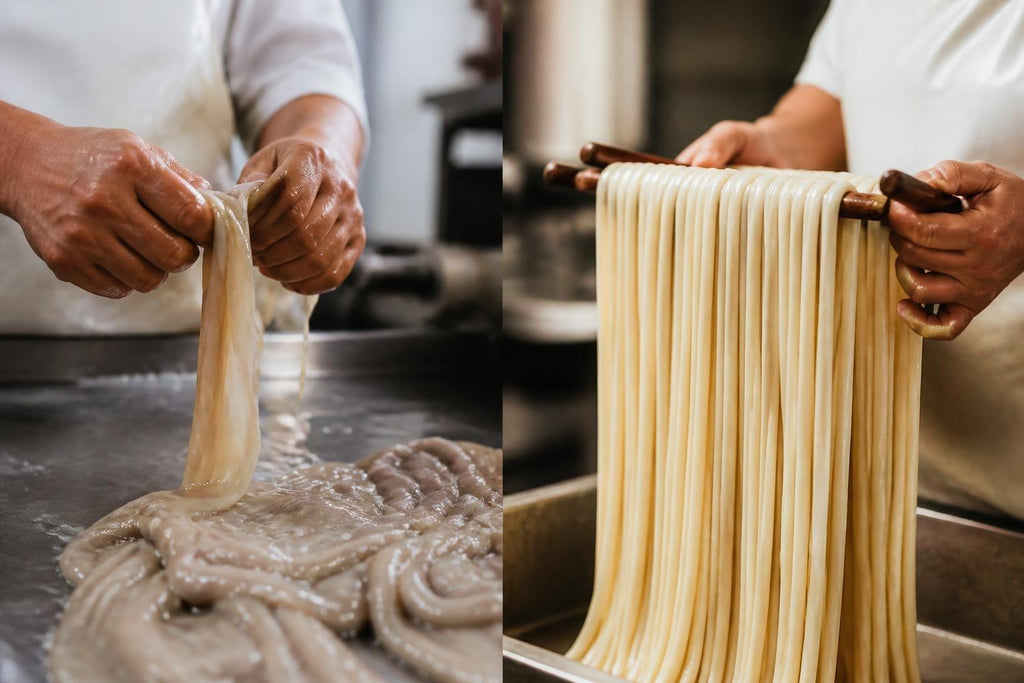
Natural sausage casings have been integral to food preservation and culinary traditions for thousands of years, forming the foundation of beloved sausages from German bratwurst to South African boerewors. For South Africans living in New Zealand, the quest for authentic boerewors made with proper casings connects them to home and heritage. These traditional casings, derived from the intestinal tracts of animals, offer unique properties that synthetic alternatives simply cannot replicate. Whether you're a home cook preserving family recipes or exploring the science behind sausage making, understanding natural casings opens a window into culinary craftsmanship that spans cultures and continents.
Understanding Natural Sausage Casings and Their Origins
Natural sausage casings represent one of humanity's oldest food processing innovations. Archaeological evidence suggests that ancient civilizations recognized the value of animal intestines as storage vessels for preserved meats long before refrigeration existed.
The Food and Agriculture Organization provides comprehensive documentation on how these casings are sourced, processed, and prepared for modern use. The process begins with careful selection of intestinal material from cattle, sheep, or pigs, which then undergoes thorough cleaning, salting, and preservation.
Primary Sources of Natural Casings
Different animals provide casings with distinct characteristics suited to specific sausage types:
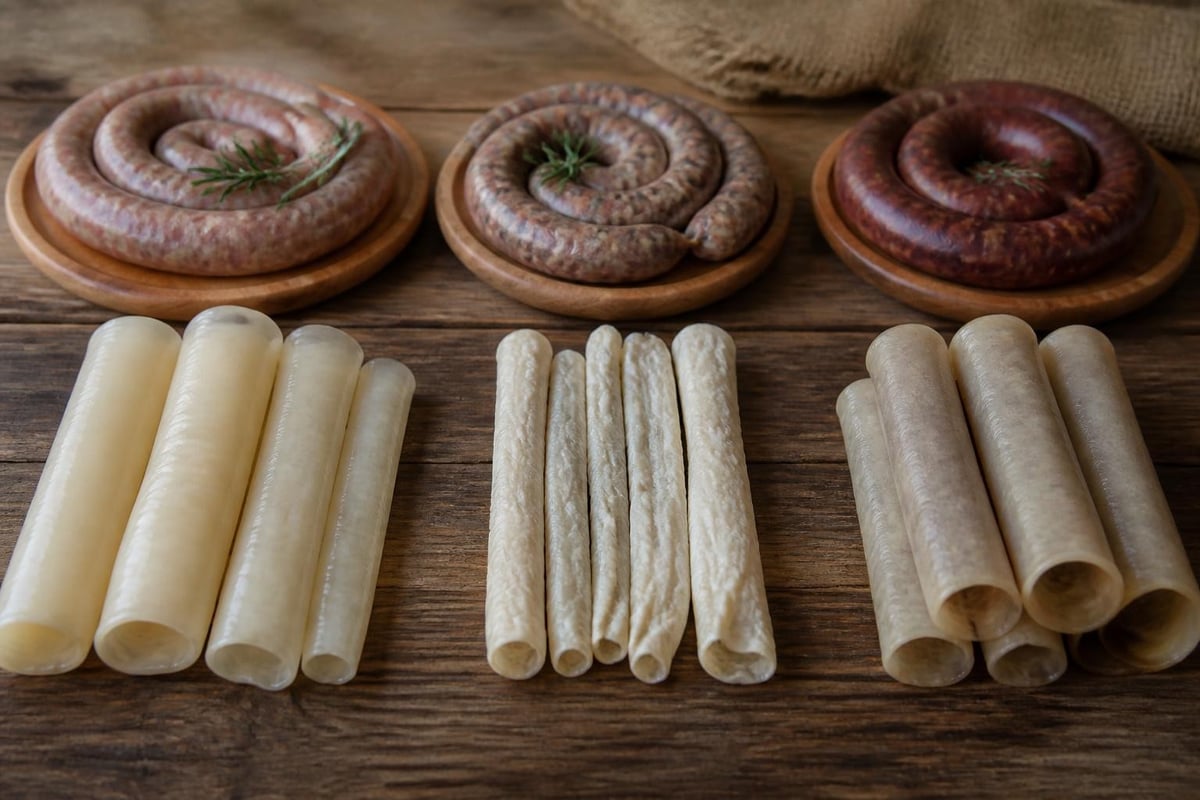
- Hog casings: Medium diameter, ideal for fresh sausages and breakfast links
- Sheep casings: Narrower diameter, perfect for smaller sausages like chipolatas
- Beef casings: Largest diameter, essential for salami and summer sausage
- Beef rounds: Specifically used for bologna and ring sausages
The diameter, strength, and texture vary significantly between these sources, influencing the final product's appearance and eating quality. South African boerewors traditionally relies on sheep casings, which provide the characteristic snap and texture that makes this braai staple so distinctive.
Processing and Preparation Methods
The journey from raw intestinal material to ready-to-use natural sausage casings involves multiple meticulous stages. Modern processing facilities maintain strict hygiene standards whilst preserving traditional techniques that have proven effective over centuries.
Initial cleaning removes all organic matter through repeated washing and scraping. Workers then grade casings by size, thickness, and quality. Salt preservation follows, with casings packed in heavy brine or dry salt to prevent spoilage during storage and transport.
Traditional versus Modern Processing
| Processing Aspect | Traditional Method | Modern Method |
|---|---|---|
| Cleaning | Manual scraping and washing | Automated cleaning systems |
| Grading | Visual inspection only | Calibrated measurement tools |
| Quality Control | Experience-based selection | Laboratory testing protocols |
| Storage | Salt barrels | Vacuum-sealed packages |
The evolution of natural sausage casings demonstrates how technology enhances rather than replaces traditional knowledge. Modern facilities can process thousands of meters daily whilst maintaining the artisanal quality home cooks and professional butchers demand.
For South Africans in New Zealand seeking authentic ingredients for traditional recipes, understanding this processing ensures confidence in product quality. Many expatriates maintain braai traditions using proper equipment and ingredients that honor their culinary heritage.
Advantages Over Synthetic Alternatives
Natural sausage casings offer multiple benefits that synthetic options struggle to match. The primary advantage lies in edibility and texture. Natural casings crisp beautifully during cooking whilst remaining tender enough to bite through cleanly.
Breathability distinguishes natural from artificial casings significantly. The permeable membrane allows smoke penetration during smoking processes, crucial for developing authentic flavour profiles in smoked sausages. This characteristic proves essential for traditional South African dried sausages and droëwors.
Key Benefits for Sausage Makers
- Superior texture: Natural casings provide satisfying snap without toughness
- Authentic appearance: Traditional look valued in artisan products
- Enhanced flavour: Allows proper smoke and seasoning absorption
- Complete edibility: No need to remove casing before consumption
- Cultural authenticity: Required for traditional recipes and heritage foods
The International Natural Sausage Casing Association advocates for these products globally, providing research and industry standards that maintain quality across markets. Their work ensures that whether you purchase casings in Johannesburg or Wellington, consistent quality standards apply.
South African food culture places enormous importance on authenticity, particularly regarding braai preparations. Using natural casings for boerewors isn't merely preference but tradition, ensuring the characteristic texture and flavour that defines this beloved sausage.
Types and Specifications for Different Sausages
Selecting appropriate natural sausage casings requires understanding how diameter, strength, and permeability match specific sausage types. Professional butchers and experienced home cooks recognize that proper casing selection dramatically influences the final product.
Hog Casings Applications
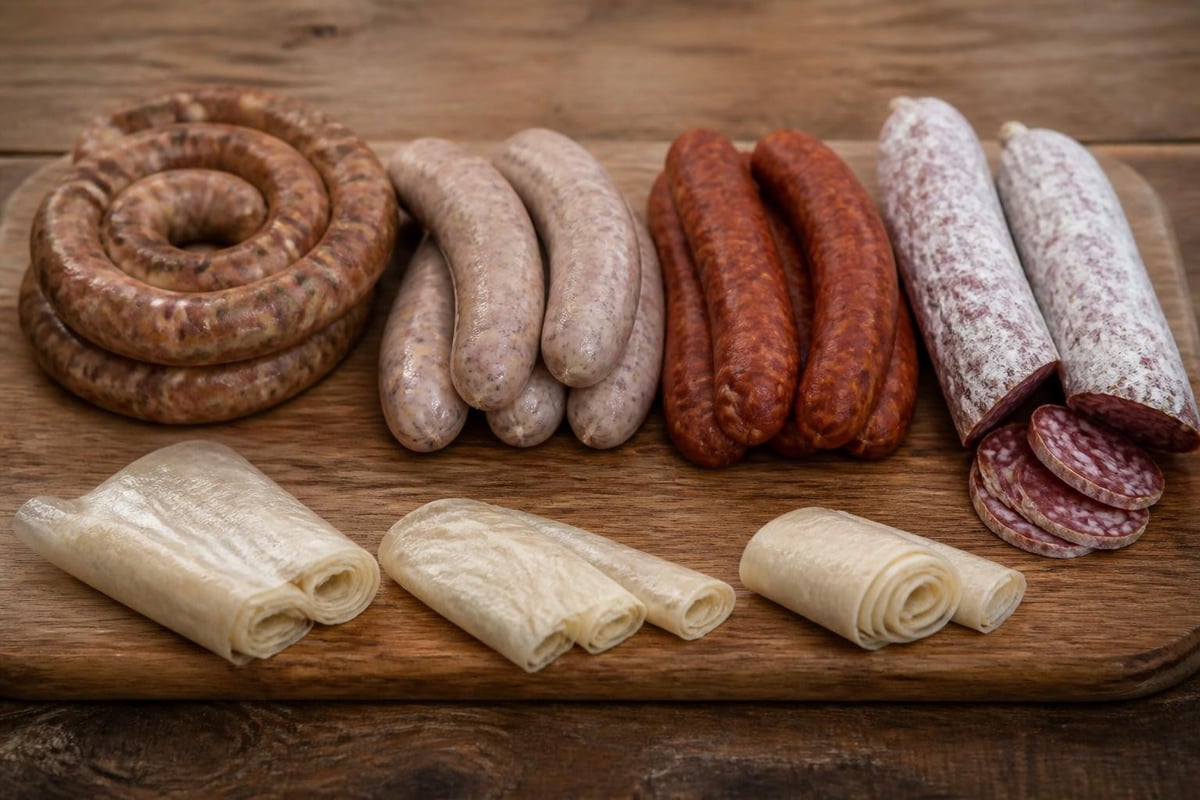
Hog casings range from 32mm to 45mm in diameter, making them incredibly versatile. Fresh pork sausages, Italian sausages, and many regional specialties utilize these mid-sized casings. Their moderate strength handles both fresh and cooked preparations effectively.
The comprehensive guide at Meats and Sausages details specific applications for each casing type. Hog casings particularly suit sausages requiring medium stuffing pressure and moderate cooking times.
Sheep Casings for Fine Sausages
Sheep casings measure 20mm to 28mm in diameter, perfect for breakfast sausages, hot dogs, and the iconic South African boerewors. Their delicate nature requires gentle handling during stuffing but rewards makers with superior texture.
Many South African families living in New Zealand maintain weekend braai traditions, creating boerewors from scratch using proper sheep casings. This ritual connects them to home whilst sharing their food culture with Kiwi friends and neighbours.
Beef Casings for Large Format Products
Beef casings accommodate diameters from 40mm up to 100mm or larger, essential for salamis, summer sausages, and ring bologna. Their robust construction withstands long curing and drying periods without compromising.
| Casing Type | Typical Diameter | Best Applications | Special Properties |
|---|---|---|---|
| Sheep | 20-28mm | Boerewors, breakfast sausage | Tender, delicate snap |
| Hog | 32-45mm | Fresh sausage, bratwurst | Versatile, medium strength |
| Beef rounds | 40-50mm | Ring bologna, mettwurst | Strong, uniform diameter |
| Beef middles | 50-100mm | Salami, summer sausage | Extra strength for aging |
Preparation and Handling Best Practices
Proper preparation of natural sausage casings ensures successful stuffing and quality final products. Casings typically arrive packed in salt, requiring thorough rinsing and soaking before use.
Begin by removing desired casing lengths from salt storage. Rinse under cool running water to remove surface salt, then soak in lukewarm water for 30 to 90 minutes. This rehydration restores flexibility and makes casings pliable enough for stuffing equipment.
Step-by-Step Preparation Process
- Initial rinse: Remove excess salt under cool water
- Soak thoroughly: Submerge in lukewarm water for adequate time
- Test integrity: Check for holes or weak spots
- Flush interior: Run water through casing to ensure cleanliness
- Keep moist: Maintain hydration until ready for use
After soaking, test casings by running water through the interior. This process identifies holes or tears whilst ensuring complete rehydration. Any damaged sections should be cut away and discarded.
The detailed preparation methods at Cook's Info provide additional tips for handling delicate casings without damage. Gentle handling prevents tears that compromise stuffing operations.
Temperature control matters significantly during preparation and stuffing. Keep meat mixtures refrigerated until ready for use, and work in cool environments when possible. This prevents fat separation and maintains proper texture in the finished sausage.
Storage and Shelf Life Considerations
Properly stored natural sausage casings maintain quality for extended periods. Salt preservation remains the most reliable long-term storage method, though vacuum-sealed packaging offers convenient alternatives for smaller quantities.
Salt-packed casings stored in cool, dry conditions last 12 to 24 months without degradation. The high salt concentration prevents bacterial growth whilst maintaining casing integrity. Refrigeration extends this timeframe further, particularly in humid climates.
Storage Options and Timeframes
- Salt-packed in containers: 12-24 months in cool storage
- Vacuum-sealed packages: 6-12 months refrigerated
- Frozen casings: Up to 24 months at -18°C
- Prepared casings in brine: 2-3 weeks refrigerated
Once opened and rinsed, unused portions require different handling. Returning them to fresh salt or storing in brine solution under refrigeration maintains usability for several weeks. However, prepared casings deteriorate faster than salt-packed originals.
For South African expatriates in New Zealand managing South African grocery supplies, proper storage ensures ingredients remain ready when the braai spirit strikes. Planning ahead and maintaining well-stocked supplies means never compromising on authenticity.
Cultural Significance in South African Cuisine
Natural sausage casings hold particular importance in South African food culture, where boerewors represents more than mere sausage. This coiled masterpiece embodies heritage, community, and the cherished braai tradition that defines South African social gatherings.
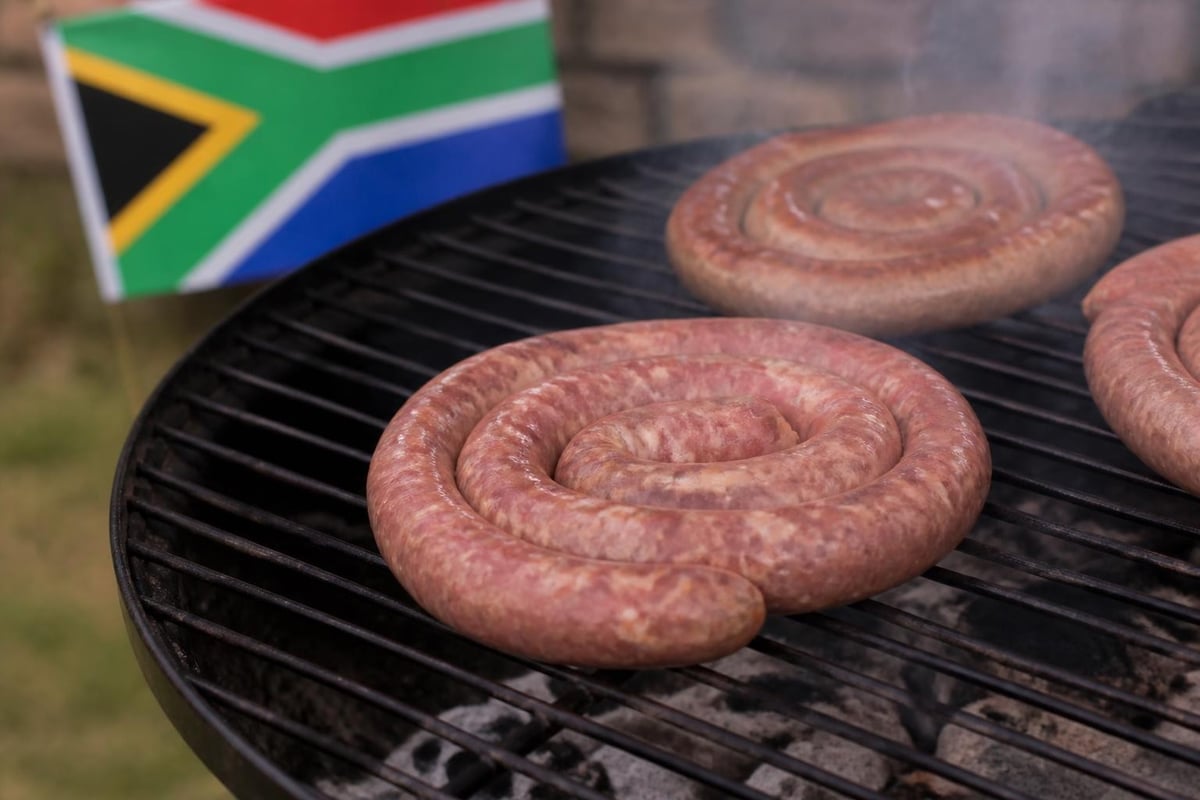
Traditional boerewors recipes specify sheep casings precisely because they provide the texture and appearance that generations of South Africans expect. The characteristic coil, the satisfying snap when bitten, the way fat renders during cooking-all depend on using proper natural casings.
Boerewors Standards and Traditions
South African boerewors must meet specific criteria to earn the name:
- Minimum 90% meat content, primarily beef
- Maximum 30% fat content
- Natural spice blend including coriander
- Continuous casing without links
- Natural casings only (traditionally sheep)
These standards preserve authenticity and distinguish genuine boerewors from ordinary sausages. For South Africans living abroad, maintaining these standards connects them to home and heritage regardless of geographic distance.
The Something From Home warehouse stocks over 2,500 South African products, helping expatriates maintain their food traditions in New Zealand. From spices and sauces to specialty ingredients, accessing authentic South African products enables cultural preservation through cuisine.
Making Boerewors in New Zealand
South Africans in New Zealand face unique challenges sourcing authentic ingredients for traditional recipes. Access to proper natural sausage casings, correct spice blends, and quality meat suitable for boerewors requires planning and knowledge of available resources.
Many expatriates discover that New Zealand butchers may not stock sheep casings specifically or understand boerewors requirements. This gap creates opportunities for home preparation, where controlling ingredients ensures authenticity that commercial alternatives cannot match.
Essential Equipment and Ingredients
Creating authentic boerewors requires specific tools and components beyond standard kitchen equipment. A quality meat grinder, sausage stuffer, and proper casings form the foundation. The spice blend-dominated by coriander with supporting spices-must balance correctly to achieve traditional flavour.
Beef selection matters enormously. Boerewors requires meat with adequate fat content, typically chuck or similar cuts providing the 70:30 lean-to-fat ratio that ensures juiciness without excessive greasiness. Adding pork or lamb follows family traditions, though beef remains dominant.
New Zealand's high-quality beef suits boerewors production excellently, though the spice blend and preparation method require South African authenticity. This fusion of New Zealand ingredients with South African tradition creates bridges between adopted home and heritage.
Quality Indicators and Selection Criteria
Identifying quality natural sausage casings ensures successful sausage making. Professional butchers and experienced home cooks recognize several key indicators distinguishing premium casings from inferior products.
Uniform thickness throughout the casing length indicates careful grading and quality control. Inconsistent thickness creates weak spots prone to bursting during stuffing or cooking. Premium casings show consistent translucence and color throughout.
Inspection Points Before Purchase
- Color consistency: Even, natural coloring without dark spots
- Texture uniformity: Smooth surface without rough patches
- Flexibility: Pliable without brittleness or excessive softness
- Size accuracy: Matches stated diameter specifications
- Salt quality: Clean preservation without discoloration
The absence of holes or tears proves critical. While small imperfections can be cut away, casings riddled with damage indicate poor processing or handling. Quality suppliers stand behind their products with guarantees and replacement policies.
Sourcing from reputable suppliers ensures proper handling throughout the supply chain. The selection guidance at Foodista emphasizes supplier reputation as a primary quality indicator.
For New Zealand buyers, understanding import standards and supplier credentials protects against substandard products. Whether sourcing locally or importing specialty items, verification of processing standards maintains consistency.
Health and Safety Considerations
Natural sausage casings, properly processed and handled, present minimal health risks whilst offering nutritional benefits absent in synthetic alternatives. The completely edible nature means no removal before consumption, and the collagen content provides dietary protein.
Modern processing facilities follow stringent hygiene protocols regulated by food safety authorities globally. Casings undergo inspection, cleaning, and preservation according to standards that eliminate pathogenic risks when handled correctly.
Safe Handling Practices
- Maintain refrigeration during storage and preparation
- Use clean equipment and work surfaces
- Cook sausages to appropriate internal temperatures
- Monitor for signs of spoilage before use
- Follow supplier storage recommendations
Proper cooking eliminates any residual concerns. Boerewors and fresh sausages require thorough cooking to internal temperatures of 71°C, ensuring food safety whilst developing proper texture and flavour. The natural casing crisps beautifully at these temperatures without compromising integrity.
For home sausage makers, hygiene matches commercial standards in importance. Clean equipment, fresh ingredients, and proper temperature control throughout processing prevent contamination and ensure family safety.
Troubleshooting Common Challenges
Even experienced sausage makers encounter occasional difficulties with natural sausage casings. Understanding common problems and solutions prevents frustration and waste whilst improving outcomes.
Casing breakage during stuffing typically results from insufficient soaking, overstuffing, or damaged casings. Ensuring adequate hydration time and stuffing at appropriate pressure prevents most ruptures. The practical tips at Cutlery Mania address specific stuffing challenges comprehensively.
Common Issues and Solutions
| Problem | Likely Cause | Solution |
|---|---|---|
| Casings splitting | Overstuffing or insufficient soaking | Reduce pressure, extend soaking time |
| Uneven filling | Inconsistent stuffing pressure | Maintain steady, moderate pressure |
| Air pockets | Improper technique | Prick bubbles with sterilized pin |
| Casings slipping off stuffer | Insufficient moisture | Keep casings wet during stuffing |
Air pockets create uneven cooking and unappealing appearance. Pricking bubbles with a sterilized pin before cooking releases trapped air whilst creating minimal casing damage. This technique prevents bulging sections that cook unevenly.
Texture problems in finished sausages often trace to meat preparation rather than casings. Proper grinding, mixing, and temperature control ensure the meat mixture binds correctly and cooks evenly within the casing.
Environmental and Sustainability Aspects
Natural sausage casings represent a sustainable byproduct utilization, transforming material otherwise discarded into valuable food processing components. This efficient use of animal resources aligns with nose-to-tail philosophy increasingly valued in modern food systems.
Unlike synthetic casings requiring petroleum-based materials and industrial manufacturing, natural casings arise from existing meat production. Their processing, whilst requiring water and salt, avoids the environmental footprint associated with plastic manufacturing.
Biodegradability offers another significant advantage. Natural casings decompose completely, contributing no persistent waste to landfills or ecosystems. This environmental benefit grows more relevant as consumers prioritize sustainability in food choices.
The industry overview from Wikipedia discusses environmental considerations alongside historical and technical aspects. Modern casing processors increasingly adopt sustainable practices, reducing water usage and implementing waste recycling.
For conscious consumers, choosing natural over synthetic casings supports sustainable food systems whilst honoring traditional preparation methods. This alignment of environmental values with culinary heritage creates compelling reasons beyond mere taste preferences.
Global Trade and Availability
Natural sausage casings move through complex international supply chains connecting processing facilities with users worldwide. Major producing regions include South America, Europe, and Asia, with quality varying significantly between sources.
Import regulations, quality standards, and pricing fluctuate based on supply conditions and demand patterns. The COVID-19 pandemic disrupted these supply chains significantly, creating shortages and price volatility that persisted into 2026 in some markets.
Global Supply Considerations
- Source region affects quality and pricing
- Import regulations vary by destination country
- Currency fluctuations impact costs
- Seasonal availability influences supply
- Quality certifications ensure consistent standards
New Zealand importers must navigate biosecurity requirements and food safety standards when sourcing casings internationally. These regulations protect local agriculture and public health whilst potentially limiting supplier options.
For home users and small-scale producers, accessing quality natural sausage casings may require specialty suppliers or online ordering. The resource guide at Butcher Supply helps identify reputable sources offering appropriate products for various scales of operation.
South African expatriates sometimes arrange shipments of specialty items including casings through networks connecting New Zealand with South African suppliers. These informal channels supplement commercial availability, ensuring access to preferred products.
Commercial versus Home Use Applications
Professional butchers and home sausage makers share common goals but operate at vastly different scales requiring adapted approaches. Commercial operations demand efficiency, consistency, and volume handling that home kitchens needn't replicate.
Industrial sausage production utilizes automated stuffing equipment processing hundreds of kilograms hourly. These systems require casings meeting specific mechanical properties ensuring smooth operation without frequent breakage interruptions.
Scale Differences in Practice
Commercial operations prioritize:
- Consistent casing dimensions for automated equipment
- Bulk purchasing reducing per-unit costs
- Rapid processing minimizing labor expenses
- Standardized products meeting regulatory requirements
Home producers emphasize:
- Small batch flexibility and experimentation
- Traditional methods honoring family recipes
- Quality over quantity in final products
- Personal satisfaction and cultural connection
For South Africans in New Zealand maintaining braai traditions, home production enables customization impossible with commercial products. Controlling spice levels, meat ratios, and casing selection creates boerewors matching remembered flavours from childhood or family gatherings.
The Something From Home FAQ section addresses common questions about sourcing South African ingredients in New Zealand, helping expatriates navigate availability challenges whilst maintaining culinary traditions.
Future Developments and Innovation
The natural sausage casing industry continues evolving through technological advancement and changing consumer preferences. Research focuses on improving processing efficiency, enhancing quality consistency, and developing sustainable sourcing practices.
Automation increasingly handles labor-intensive processing stages traditionally requiring skilled manual work. Computer vision systems grade casings more accurately than human inspection, whilst robotic systems manage delicate handling without damage.
Consumer demand for transparency drives traceability improvements throughout supply chains. Blockchain technology and enhanced documentation enable buyers to verify casing origins, processing conditions, and quality certifications with unprecedented detail.
Emerging Trends for 2026 and Beyond
- Enhanced traceability systems documenting complete supply chains
- Improved processing reducing environmental impact
- Quality certifications meeting evolving consumer expectations
- Small-scale equipment making home production more accessible
- Cultural preservation driving demand for traditional methods
These developments benefit both commercial producers and home enthusiasts. More accessible equipment and ingredients enable wider participation in traditional sausage making whilst maintaining quality standards that honor heritage recipes.
For diaspora communities worldwide, including South Africans in New Zealand, these trends support cultural preservation through accessible authentic ingredients. The ability to recreate childhood flavours and family traditions strengthens cultural identity whilst sharing heritage with new communities.
Natural sausage casings remain essential for authentic sausage making, particularly for traditional preparations like South African boerewors that define cultural identity through food. Understanding their sources, preparation, and proper use ensures successful outcomes whether cooking for family braais or preserving heritage recipes. South Africans living in New Zealand can maintain these important food traditions by accessing quality ingredients and equipment through specialty suppliers. For over 2,500 South African products including braai essentials and traditional ingredients, visit Something From Home to bring the tastes of home to your New Zealand kitchen.