Rusk Ouma: The Iconic South African Breakfast Tradition

For South Africans living in New Zealand, few foods evoke the warmth of home quite like a proper rusk dunked into a steaming cup of coffee or tea. The tradition of enjoying rusk ouma has transcended generations, becoming an integral part of South African food culture that expatriates desperately seek when living abroad. This twice-baked biscuit represents more than just a breakfast staple; it embodies memories of family gatherings, lazy Sunday mornings, and the comfort of familiar flavours that connect South Africans to their heritage.
The Rich History Behind Rusk Ouma
The story of Ouma Rusks begins in the small Eastern Cape town of Molteno, where Elizabeth Charlotte "Ouma" Greyvensteyn started baking rusks in 1939. What began as a modest home-baking operation quickly grew into one of South Africa's most recognizable brands. The name "Ouma," meaning grandmother in Afrikaans, perfectly captures the essence of this traditional baked good that has been passed down through generations.
From Small-Town Bakery to National Icon
The journey of rusk ouma from a local delicacy to a household name represents a remarkable chapter in South African culinary history. During the 1940s and 1950s, Ouma Rusks expanded beyond Molteno, establishing distribution networks throughout South Africa. The enduring legacy of Ouma Rusks demonstrates how a simple recipe can capture the hearts and taste buds of an entire nation.
Key milestones in Ouma Rusks development:
- 1939: Elizabeth Greyvensteyn begins baking rusks in Molteno
- 1950s: Expansion throughout the Eastern Cape region
- 1960s-1970s: National distribution across South Africa
- 1980s onwards: International recognition and export markets
- Present day: Available in specialty stores worldwide, including New Zealand
Understanding the Traditional Rusk-Making Process
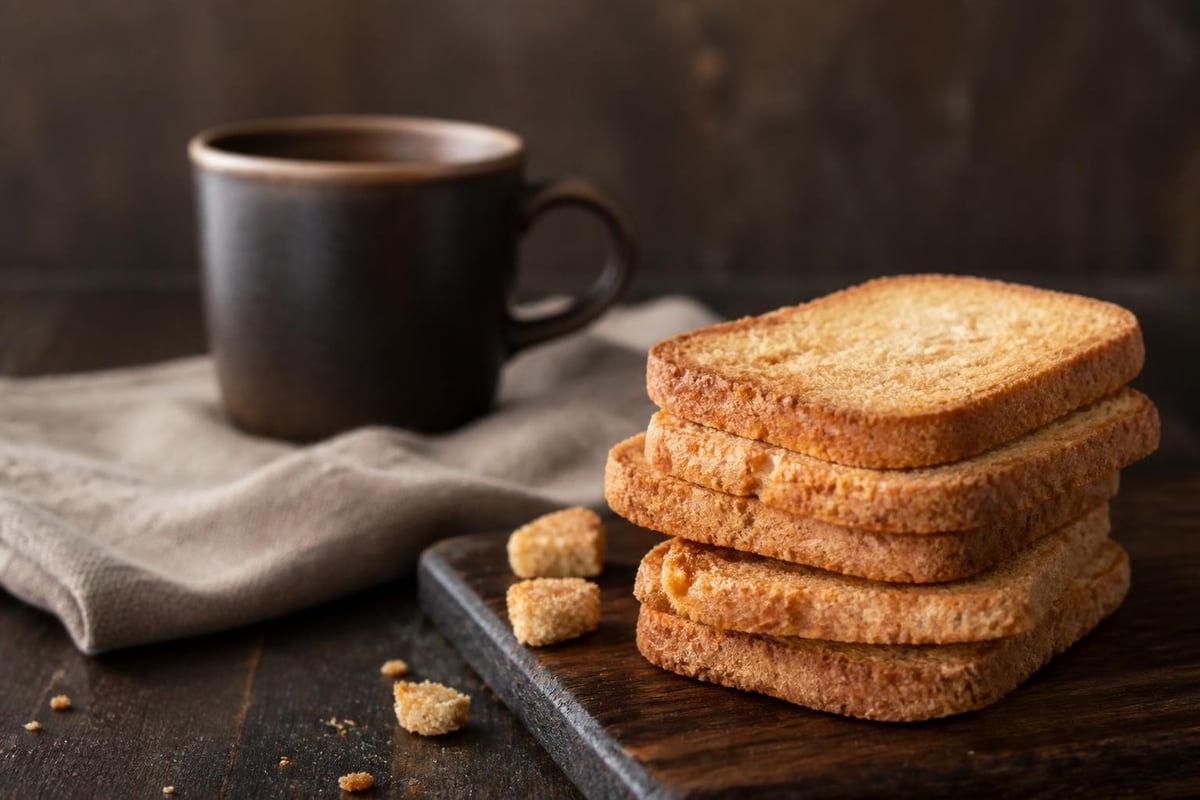
The distinctive texture and flavour of rusk ouma comes from a unique twice-baking method that transforms ordinary bread dough into crispy, perfectly dunkable biscuits. This process requires patience, precision, and adherence to time-honoured techniques that define authentic South African rusks.
The Twice-Baking Technique
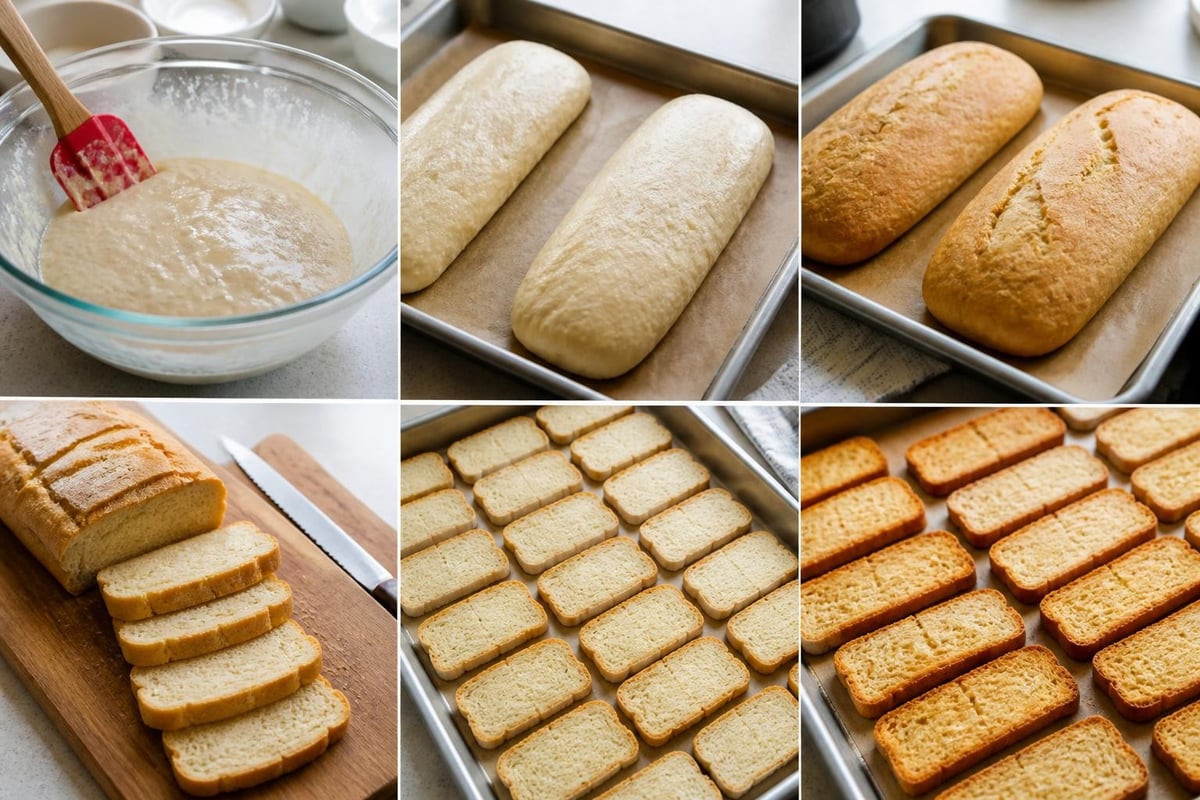
The traditional method involves baking rusks as a loaf or in individual portions, then slicing and drying them in a low-temperature oven. This second baking phase removes moisture, creating the characteristic crunch that makes rusks ideal for dunking without immediate disintegration.
| Baking Stage | Temperature | Duration | Purpose |
|---|---|---|---|
| First Bake | 180°C | 45-60 minutes | Cook the dough thoroughly |
| Cooling Period | Room temp | 30-60 minutes | Allow structure to set |
| Slicing | N/A | 10 minutes | Create individual rusks |
| Second Bake | 80-100°C | 4-6 hours | Remove moisture, create crunch |
Popular Varieties and Flavour Profiles
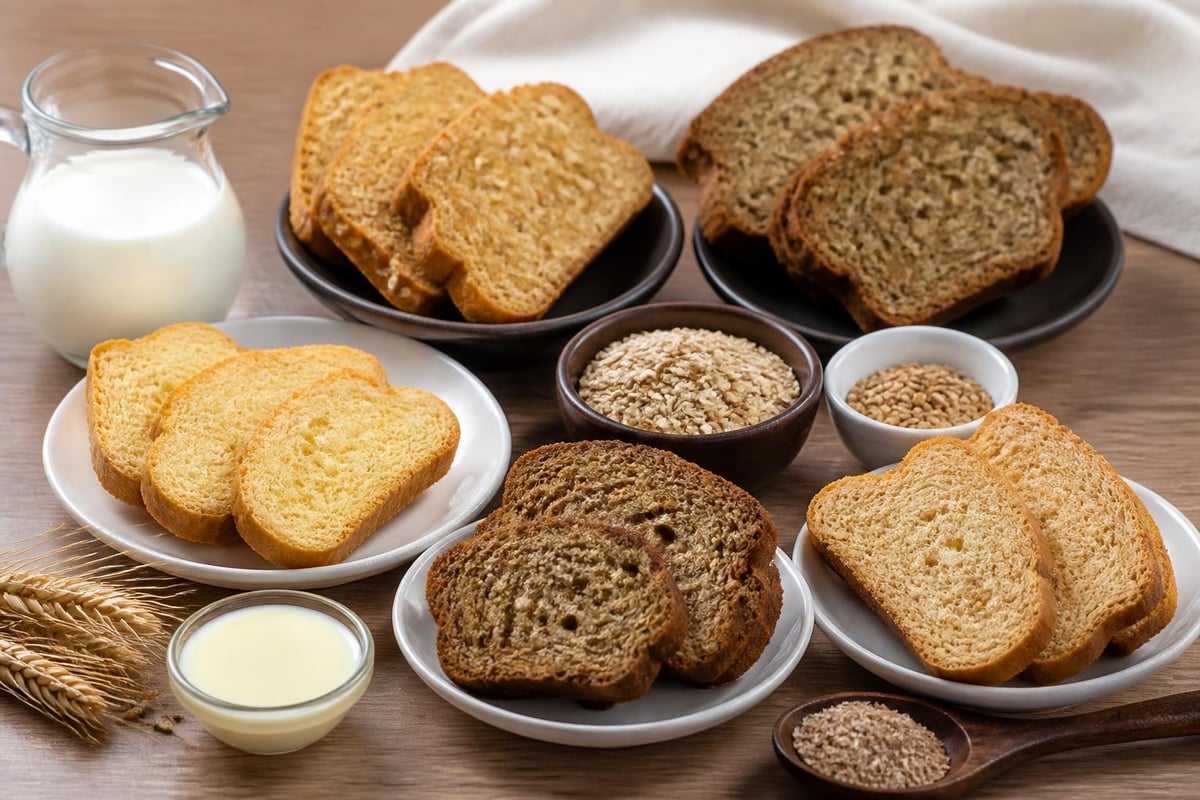
While traditional buttermilk rusks remain the most popular variety, rusk ouma has evolved to include numerous flavours that cater to diverse preferences. Each variety maintains the essential rusk characteristics while offering unique taste experiences.
Classic Buttermilk Rusks
The original buttermilk recipe creates a slightly tangy, subtly sweet biscuit with a wholesome wheat flavour. The buttermilk adds tenderness to the dough while contributing to the golden-brown colour that characterizes quality rusks. This version pairs perfectly with strong filter coffee or rooibos tea, staples of South African breakfast culture.
Speciality Flavours
Modern variations include:
- All Bran: Incorporates high-fibre cereal for added nutrition
- Condensed Milk: Sweeter option with caramelized notes
- Muesli: Contains nuts, seeds, and dried fruit
- Whole Wheat: Heartier texture with enhanced grain flavour
- Aniseed: Traditional flavouring with distinctive licorice notes
South Africans living in New Zealand often seek these specific varieties when shopping at a South African food store, as the authentic flavours prove difficult to replicate with local substitutes.
The Cultural Significance of Rusk Dunking
The ritual of dunking rusk ouma into hot beverages represents a deeply ingrained cultural practice that connects South Africans across generations and geographic distances. This simple act carries profound social and emotional significance within South African communities.
Morning Rituals and Family Traditions
For many South African families, morning tea or coffee with rusks serves as a daily gathering point. Parents introduce children to this tradition early, teaching the art of the perfect dunk-long enough to soften but not so long that the rusk disintegrates into the cup. These shared moments create lasting memories that expatriates cherish when living abroad.
The perfect rusk-dunking technique involves:
- Heat your beverage to optimal temperature (not boiling)
- Select your preferred rusk variety
- Dunk one-third of the rusk for 2-3 seconds
- Remove and allow excess liquid to drip briefly
- Enjoy the softened portion while the remainder stays crisp
- Repeat as desired
Nutritional Considerations and Dietary Adaptations
Traditional rusk ouma recipes typically include wheat flour, sugar, butter, and buttermilk, creating a relatively calorie-dense product. However, the portion-controlled nature of rusks and their satisfying texture make them a reasonable breakfast or snack option when consumed mindfully.
Health-Conscious Variations
Modern adaptations cater to various dietary requirements:
| Dietary Need | Adaptation | Key Ingredients |
|---|---|---|
| Lower Sugar | Reduced sweetener | Stevia, honey alternatives |
| Higher Fibre | Bran additions | Wheat bran, oat bran |
| Gluten-Free | Alternative flours | Almond flour, coconut flour |
| Dairy-Free | Plant-based milk | Almond milk, oat milk |
| Vegan | No animal products | Plant butter, apple cider vinegar |
Making Rusk Ouma at Home
Many South Africans in New Zealand attempt to recreate authentic rusk ouma in their home kitchens, particularly when commercial options prove difficult to source. While homemade versions require time and patience, recipes available online provide detailed guidance for achieving results that closely approximate the commercial product.
Essential Ingredients and Equipment
Successful rusk-making requires specific ingredients and basic baking equipment. The quality of ingredients directly impacts the final product's taste and texture.
Core ingredients include:
- Self-raising flour or plain flour with baking powder
- Buttermilk or soured milk
- Butter or margarine
- Sugar (white or brown)
- Eggs
- Salt
- Optional: aniseed, bran, nuts, or dried fruit
Equipment needed:
- Large mixing bowl
- Loaf tins or rectangular baking dish
- Sharp bread knife
- Wire cooling racks
- Conventional oven with low-temperature capability
The Home-Baking Process
Creating authentic rusks at home demands attention to detail and proper timing. The traditional rusk recipe emphasizes the importance of thorough mixing to develop gluten structure while avoiding overworking the dough.
The first baking stage should produce a firm, golden loaf that slices cleanly without crumbling. After cooling, slices should be approximately 2-3 centimetres thick-thick enough to maintain structure during dunking yet thin enough to dry thoroughly during the second bake. The drying phase requires low heat and patience, with some bakers leaving rusks overnight at very low temperatures.
Why South Africans in New Zealand Seek Authentic Rusks
The expatriate experience often intensifies appreciation for familiar foods that connect individuals to their cultural identity. For South Africans living in New Zealand, finding authentic rusk ouma represents more than mere convenience-it provides comfort, nostalgia, and a tangible link to home.
The Emotional Connection to Heritage Foods
Food serves as a powerful anchor to cultural identity, particularly for immigrants and expatriates. The distinctive taste and texture of Ouma Rusks cannot be adequately replaced by similar products like biscotti or zwieback. The specific flavour profile, texture, and dunking characteristics create an irreplaceable sensory experience.
Many South Africans report that enjoying traditional rusks with their morning coffee recreates the feeling of being in their grandmother's kitchen or sitting on a stoep (veranda) on a Sunday morning. These sensory memories prove especially valuable during times of homesickness or when celebrating South African holidays and traditions abroad.
Sourcing Authentic Rusk Ouma in New Zealand
South Africans living in New Zealand previously struggled to find authentic rusks, often relying on care packages from family or friends visiting from South Africa. The establishment of specialized South African food stores has transformed this situation, making traditional products readily accessible.
Available Options for New Zealand Residents
Purchase channels include:
- Specialized South African food stores with physical locations
- Online South African grocery retailers offering nationwide delivery
- Occasionally available at international food sections in major supermarkets
- Direct import through personal shipping services
- Homemade alternatives using authentic recipes
Something From Home operates as a comprehensive South African shop in New Zealand, maintaining stock of more than 2,500 South African products. This warehouse-based operation ensures consistent availability of popular items, including multiple varieties of authentic rusks, making it unnecessary for customers to wait for special shipments or rely on intermittent supplies.
Rusk Ouma in Contemporary South African Cuisine
While traditionally consumed at breakfast with coffee or tea, innovative South African cooks have incorporated rusks into various culinary applications. This versatility extends the product's appeal beyond nostalgic expatriates to food enthusiasts exploring international flavours.
Creative Culinary Applications
Modern uses include:
- Crushed as a base for cheesecakes and dessert tarts
- Incorporated into crumb toppings for fruit crumbles
- Ground into breadcrumbs for coating meat or vegetables
- Mixed into ice cream for texture contrast
- Used in bread pudding variations
These applications demonstrate how traditional foods evolve while maintaining their essential character. The robust texture of properly made rusks withstands various culinary treatments, making them surprisingly adaptable ingredients.
The Economics of Rusk Production and Distribution
The rusk ouma market represents a significant segment of South African food manufacturing, with several major producers competing for market share. Understanding the production scale and distribution networks helps explain pricing variations and availability in international markets like New Zealand.
Market Dynamics and Pricing Factors
| Factor | Impact on Price | Consideration |
|---|---|---|
| Import Costs | High | Shipping, duties, currency exchange |
| Volume Discounts | Medium | Bulk ordering reduces per-unit cost |
| Shelf Stability | Low | Long shelf life reduces waste |
| Brand Premium | Medium | Established brands command higher prices |
| Specialty Varieties | High | Limited production increases costs |
The relatively long shelf life of rusks makes them ideal for international distribution, as products can withstand extended shipping times without quality degradation. This characteristic benefits New Zealand retailers and consumers, enabling stock rotation that maintains freshness while managing inventory costs efficiently.
Comparing Commercial Brands and Quality Markers
While Ouma remains the most recognized brand, several manufacturers produce quality rusks for the South African market. Discerning consumers learn to identify quality markers that distinguish superior products from inferior alternatives.
Quality Indicators
Premium rusks demonstrate:
- Consistent golden-brown colouring throughout
- Uniform texture without excessive crumbling
- Appropriate density-not too hard or too soft
- Clean break when snapped
- Balanced flavour without excessive sweetness or saltiness
- Pleasant aroma suggesting fresh ingredients
Inferior products often exhibit uneven colouring, excessive hardness requiring prolonged dunking, or rapid disintegration when exposed to liquid. The ingredient list provides additional clues, with quality rusks containing buttermilk or soured milk rather than water and artificial flavourings.
Storing and Maintaining Rusk Freshness
Proper storage ensures rusks maintain optimal texture and flavour throughout their shelf life. While commercially packaged rusks include preservatives and moisture barriers, home-baked versions require careful handling to prevent staleness or moisture absorption.
Storage Best Practices
For commercial rusks:
- Keep in original packaging until opening
- Transfer to airtight container after breaking seal
- Store in cool, dry cupboard away from direct sunlight
- Avoid refrigeration, which introduces unwanted moisture
- Consume within recommended timeframe after opening
For homemade rusks:
- Cool completely before storage
- Use airtight containers with tight-fitting lids
- Consider vacuum-sealing for extended storage
- Store in portions to minimize air exposure
- Freeze for long-term preservation (up to three months)
The Social Aspect of Rusk Culture
Beyond individual consumption, rusk ouma features prominently in South African social gatherings, church meetings, and community events. The practice of sharing rusks during these occasions strengthens social bonds and maintains cultural traditions.
Community Gatherings and Rusk Traditions
Church congregations throughout South Africa traditionally serve tea, coffee, and rusks after services, creating opportunities for fellowship and community building. This practice continues in South African expatriate communities worldwide, including New Zealand, where gatherings often centre around familiar foods that reinforce cultural identity.
Book clubs, craft circles, and informal social groups within South African communities frequently feature rusks as standard refreshments. The simplicity of serving rusks-requiring no preparation beyond brewing beverages-makes them ideal for casual gatherings where conversation takes precedence over elaborate hosting.
Rusk Ouma and the New Zealand South African Community
The South African expatriate population in New Zealand numbers in the tens of thousands, creating substantial demand for authentic South African products. This demographic actively seeks cultural touchstones that maintain connections to their heritage while building new lives in New Zealand.
Building Community Through Shared Food Traditions
South African social clubs, sports groups, and cultural organizations in New Zealand often incorporate traditional foods into their events and celebrations. Rusks frequently appear at braais (barbecues), Heritage Day celebrations, and informal gatherings, serving as conversation starters and comfort foods simultaneously.
The ability to buy South African food online in New Zealand has strengthened these community connections by ensuring consistent access to authentic products. When expatriates can easily source familiar items like Mrs Ball's Chutney or Ricoffy alongside their rusks, they can recreate authentic South African food experiences that celebrate their heritage.
Teaching the Next Generation About Rusk Traditions
South African parents living in New Zealand face the challenge of transmitting cultural traditions to children growing up in a different context. Food traditions like enjoying rusk ouma provide accessible, enjoyable methods for teaching cultural heritage while creating new family traditions.
Intergenerational Knowledge Transfer
Strategies for sharing rusk culture include:
- Involving children in home rusk-baking projects
- Explaining the history and significance of rusks during breakfast
- Creating family rituals around weekend morning tea with rusks
- Connecting rusk traditions to broader South African cultural education
- Encouraging children to share rusks with friends, introducing South African culture
These practices ensure that even New Zealand-born children of South African parents develop connections to their heritage through tangible, sensory experiences. The distinctive experience of dunking rusk ouma creates memorable moments that children associate with their family's cultural identity.
Rusk ouma represents far more than a simple breakfast biscuit-it embodies South African heritage, family traditions, and the comfort of familiar flavours for expatriates living far from home. Whether enjoying commercially produced varieties or baking your own, these twice-baked treats connect South Africans in New Zealand to their cultural roots with every dunked bite. For authentic rusks and thousands of other South African products delivered throughout New Zealand, visit Something From Home, your trusted South African food store offering the tastes of home.