Pizza Dough NZ: South African Touches for Perfect Pizzas
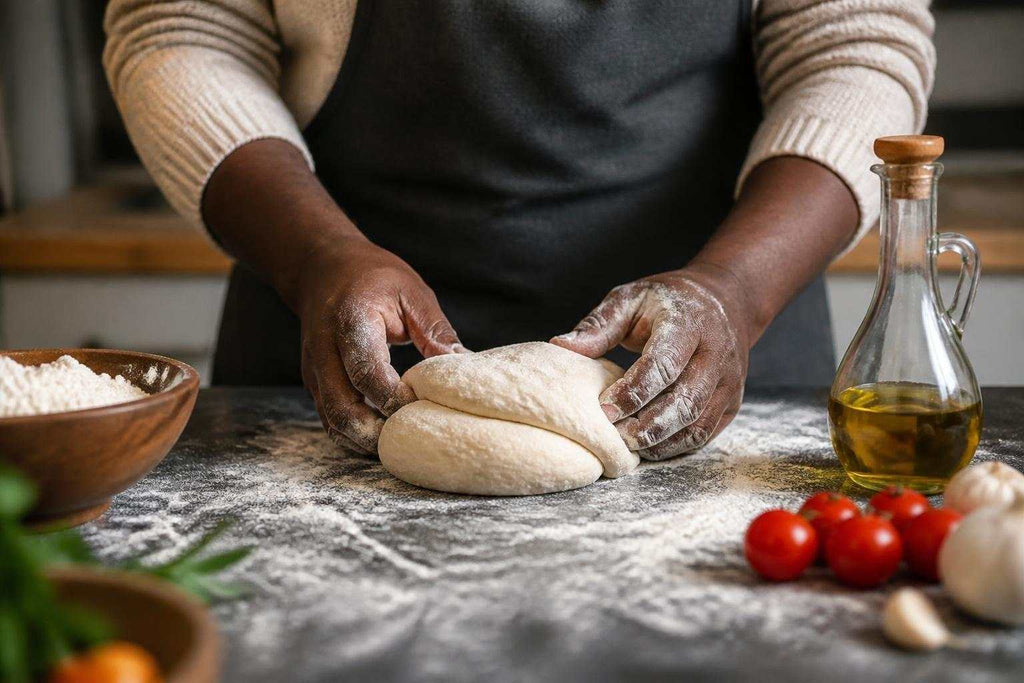
Making perfect pizza at home has become a treasured ritual for many New Zealanders, particularly those from South Africa who bring their own unique culinary traditions to the table. The art of crafting exceptional pizza dough nz recipes combines technical precision with personal flair, allowing home cooks to create restaurant-quality bases that carry the warmth of familiar flavours. For South Africans living in New Zealand, pizza night often becomes an opportunity to blend Kiwi ingredients with beloved tastes from home, creating fusion dishes that honour both cultures while satisfying cravings for comfort food.
Understanding the Basics of Pizza Dough NZ
Creating exceptional pizza dough nz recipes starts with understanding the fundamental ingredients and how they interact. The foundation consists of flour, water, yeast, salt, and typically olive oil, though variations abound depending on regional preferences and dietary requirements.
Essential ingredients for success:
- High-grade flour (preferably bread flour with 11-13% protein content)
- Active dry yeast or instant yeast
- Warm water (around 38°C for optimal yeast activation)
- Fine sea salt
- Quality olive oil
- Optional: sugar or honey to feed the yeast
The protein content in flour directly impacts gluten development, which determines your dough's elasticity and chewiness. New Zealand mills produce excellent high-grade flour that works beautifully for pizza bases, though many South Africans appreciate the familiarity of specific flour brands they remember from home.
Temperature plays a crucial role in dough development. New Zealand's cooler climate, especially during winter months, means proving times may extend compared to warmer regions. South African home cooks accustomed to Johannesburg's altitude and climate often need to adjust their traditional techniques when baking in Auckland or Wellington.
Traditional Methods Versus Modern Approaches
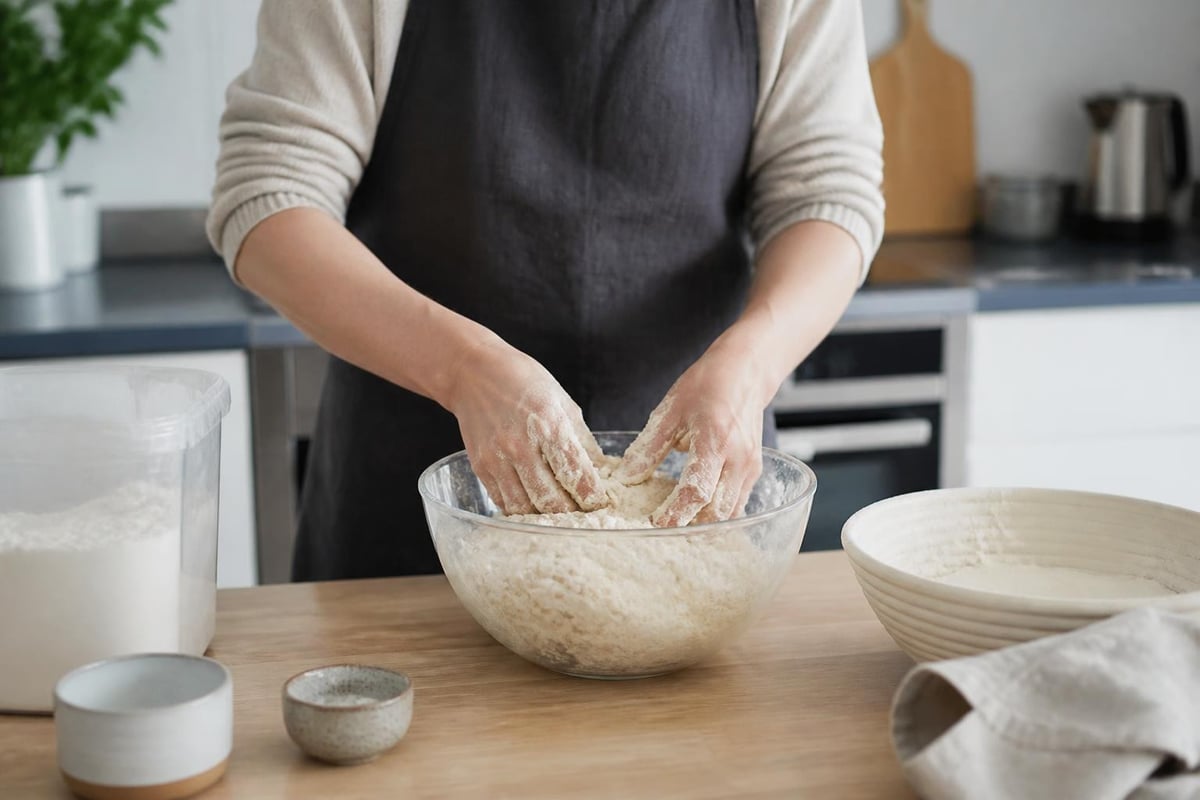
The debate between hand-kneading and machine mixing continues among pizza enthusiasts across New Zealand. Traditional hand-kneading connects the baker intimately with the dough, allowing you to feel texture changes as gluten strands develop. This tactile approach appeals to many South African home cooks who learned baking from their mothers and grandmothers.
Basic pizza dough recipes demonstrate classic techniques that work reliably for beginners. Stand mixers with dough hooks offer consistency and save considerable effort, particularly when preparing multiple batches for larger gatherings or braais where pizza might accompany traditional South African dishes.
Comparison of kneading methods:
| Method | Time Required | Physical Effort | Consistency | Best For |
|---|---|---|---|---|
| Hand Kneading | 10-15 minutes | High | Variable (skill-dependent) | Small batches, traditional approach |
| Stand Mixer | 5-8 minutes | Low | Very consistent | Multiple batches, efficiency |
| Food Processor | 2-3 minutes | Minimal | Consistent but requires care | Quick preparation, experienced bakers |
The cold-prove method has gained popularity among New Zealand pizza makers, and cold-proofing techniques explain how refrigeration develops deeper flavours through extended fermentation. This approach suits busy schedules, allowing dough preparation the night before pizza night.
South African Influences on Pizza Dough NZ Creations
South Africans bring distinctive flavour preferences and ingredient choices to their pizza dough nz experiments. The cultural appreciation for hearty, flavourful food translates beautifully into pizza-making, where bases become canvases for creative topping combinations.
South African-inspired dough variations:
- Braai-spiced dough: Incorporating peri-peri seasoning or Mrs Ball's chutney into the base
- Boerewors pizza foundation: A robust, herbed dough that complements traditional sausage toppings
- Biltong-friendly bases: Slightly thicker crusts that support generous protein toppings
- Chutney-infused dough: Sweet-savoury profiles that echo South African taste preferences
The Something From Home warehouse stocks numerous South African ingredients that enhance pizza dough recipes. Adding a teaspoon of Aromat seasoning to your dough creates a savoury depth familiar to anyone who grew up in South Africa. Similarly, using South African olive oil or incorporating a touch of chakalaka spice blend transforms ordinary pizza into something that tastes like home.
Adapting Recipes for New Zealand Conditions
New Zealand's unique climate and ingredient availability require thoughtful adaptation of pizza dough nz recipes. Humidity levels vary significantly between regions, affecting flour hydration needs. Auckland's moisture-laden air means dough may require less water than the same recipe used in Christchurch's drier conditions.
Regional considerations across New Zealand:
- Auckland/Northland: Higher humidity requires flour adjustments
- Wellington: Wind and variable weather affect proving temperatures
- Canterbury/Otago: Drier air may need increased hydration
- Coastal areas: Salt air can subtly influence yeast activity
South Africans accustomed to Johannesburg's high altitude must remember that sea-level baking in New Zealand requires no altitude adjustments. This simplifies recipe following, though the cooler average temperatures mean proving times typically extend by 20-30% compared to Gauteng summers.
Accessing quality South African ingredients makes transitioning easier for expats who want familiar flavours in their cooking. Shopping for African food online provides convenience for those living outside major centres where physical South African shops operate.
Advanced Techniques for Perfect Pizza Dough NZ
Mastering pizza dough nz recipes requires understanding fermentation science and gluten development. Professional pizzaiolos employ specific techniques that home bakers can replicate with practice and patience.
The autolyse method involves mixing flour and water first, allowing them to rest for 30 minutes before adding yeast and salt. This technique jump-starts gluten formation, resulting in more extensible dough that stretches easily without tearing. Edmonds' traditional approach provides a solid foundation that benefits from this enhancement.
Hydration Levels and Their Impact
Dough hydration percentage (water weight divided by flour weight) dramatically affects final texture. Lower hydration (55-60%) produces firmer, easier-to-handle dough suitable for beginners. Higher hydration (65-75%) creates lighter, airier crusts with better oven spring but requires more skill to shape.
Hydration guide for different pizza styles:
| Pizza Style | Hydration Range | Characteristics | Difficulty Level |
|---|---|---|---|
| Neapolitan | 60-65% | Soft, chewy, leopard-spotted crust | Intermediate |
| New York | 58-62% | Foldable, slightly crispy | Beginner-friendly |
| Roman | 75-80% | Thin, crispy, airy | Advanced |
| Thick Crust | 55-60% | Bread-like, substantial | Beginner |
South African home bakers often prefer medium hydration levels that balance workability with quality results. The forgiving nature of 60-62% hydration suits unpredictable New Zealand weather conditions and varying skill levels.
Flour Selection and Quality
New Zealand produces excellent domestically-milled flours, though imported Italian "00" flour remains popular among pizza purists. Champion flour, Pams High Grade, and Homebrand Baker's Flour all perform admirably in pizza dough nz applications.
Protein content determines gluten potential. Bread flour (11-13% protein) develops stronger gluten networks than all-purpose flour (9-11%), creating chewier textures. Some South African bakers prefer blending flour types to achieve specific characteristics reminiscent of brands like Snowflake or Eureka from home.
New World's homemade pizza dough demonstrates accessible recipes using readily available supermarket ingredients. Experimentation with different flour brands helps you discover personal preferences that match your desired crust characteristics.
Key flour characteristics to consider:
- Protein percentage for gluten strength
- Ash content affecting colour and flavour
- Milling fineness impacting texture
- Absorption capacity determining hydration needs
Flavour Development Through Fermentation
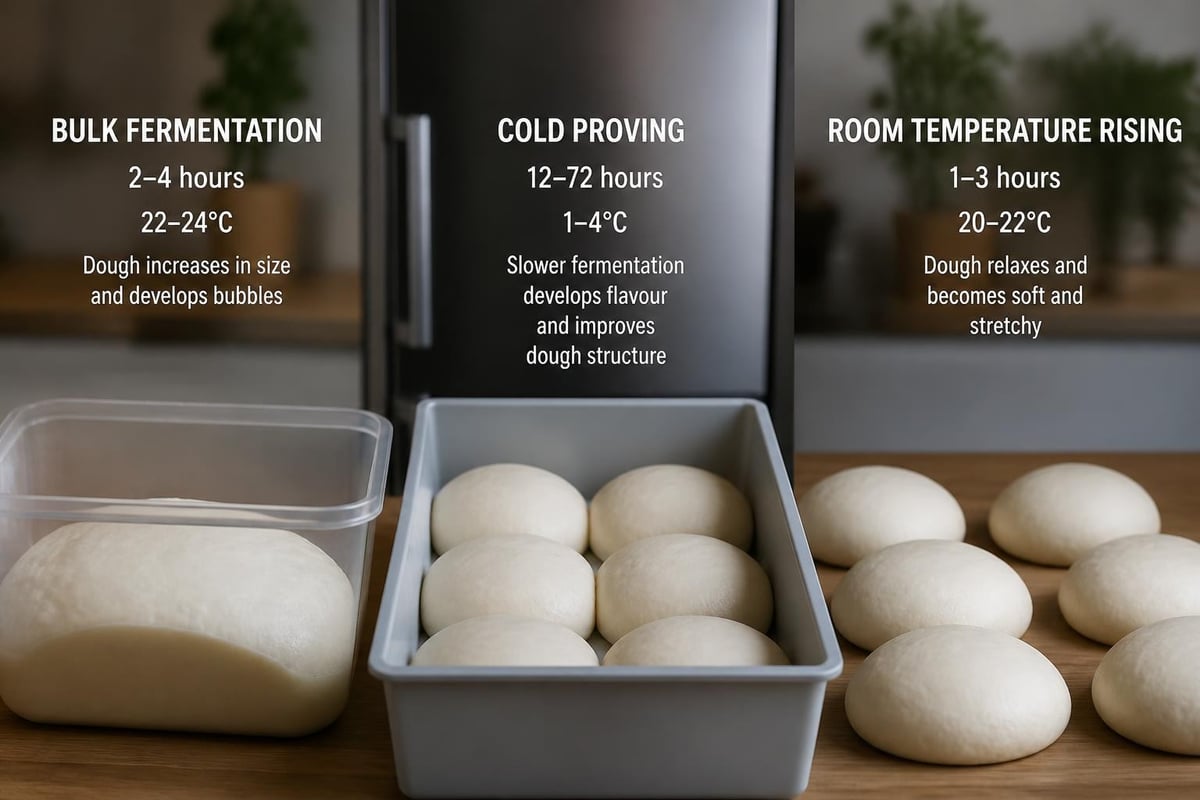
Extended fermentation transforms simple pizza dough nz recipes into complex, flavourful foundations worthy of premium toppings. Time allows enzymes to break down starches into sugars, yeast to produce aromatic compounds, and gluten to relax for easier shaping.
Overnight cold fermentation in the refrigerator (8-72 hours) produces superior flavour compared to quick room-temperature proves. The cooler temperature slows yeast activity while allowing enzymatic action to continue, developing nuanced taste profiles impossible with rushed methods.
Fermentation timeline comparison:
- Quick method (2-3 hours total): Basic flavour, adequate texture
- Same-day method (6-8 hours): Improved taste, better digestibility
- Overnight method (12-24 hours): Excellent flavour depth, superior texture
- Extended cold prove (48-72 hours): Complex taste, professional quality
South Africans often appreciate the planning aspect of long fermentation, as it mirrors the advance preparation required for traditional braai gatherings. Making dough on Friday for Saturday pizza night becomes a ritual that builds anticipation.
Incorporating South African Ingredients
The South African groceries collection at Something From Home offers ingredients that transform standard pizza dough nz recipes into nostalgic culinary experiences. Subtle additions create familiar flavour profiles without overwhelming the base.
South African ingredient additions:
- 1 tablespoon Mrs Ball's Chutney: Adds sweet-tangy complexity
- 1 teaspoon Aromat: Provides savoury depth
- 2 tablespoons Ouma rusks (crushed): Creates textural interest
- Peri-peri spice blend: Delivers subtle heat throughout
These modifications work best when incorporated during initial mixing, allowing flavours to meld during fermentation. Conservative amounts prevent overpowering the dough while providing recognisable South African character that expatriates crave.
Cuisine Magazine's utility pizza dough offers a versatile base recipe that accepts flavour additions gracefully. Its straightforward approach makes experimentation approachable for home bakers exploring South African-Kiwi fusion concepts.
Shaping and Handling Techniques
Proper dough handling separates amateur attempts from professional-quality pizza dough nz creations. Gentle treatment preserves the air bubbles created during fermentation, resulting in lighter, more appealing crusts.
After bulk fermentation, divide dough into individual pizza portions (typically 250-280 grams for 30cm pizzas). Round each portion into a tight ball using the work surface's friction to create tension on the dough's exterior. This shaping creates structure that supports toppings while maintaining an airy interior.
The Art of Stretching
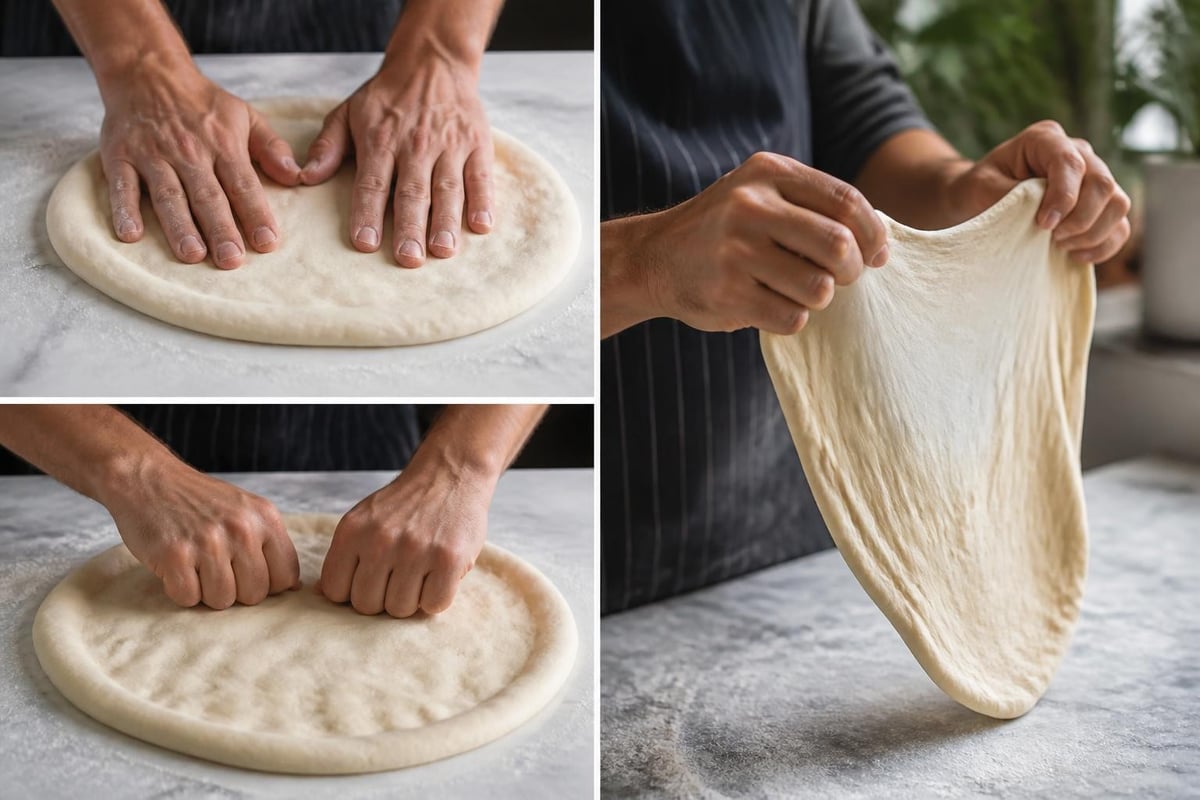
Never use a rolling pin on pizza dough, as it deflates carefully developed air pockets. Instead, use gravity and gentle hand stretching to expand the dough from the centre outward, leaving a thicker rim for the cornicione (outer crust).
Step-by-step stretching process:
- Flour your work surface lightly to prevent sticking
- Press the dough ball flat with your fingertips, leaving a 2cm border
- Lift the dough and let gravity stretch it, rotating as you work
- Drape over your knuckles and gently expand by rotating the dough
- Place on a floured peel or baking tray when desired size is reached
South African home cooks accustomed to making vetkoek or roosterkoek possess transferable skills for pizza dough handling. The gentle touch required for traditional fried dough translates beautifully to pizza shaping.
Baking Methods for New Zealand Kitchens
Achieving crispy, perfectly cooked pizza in standard home ovens challenges many pizza dough nz enthusiasts. Professional pizza ovens reach 400-500°C, while domestic ovens typically max out at 250-280°C. Strategic techniques compensate for this temperature limitation.
Preheat your oven to maximum temperature for at least 45 minutes with a pizza stone or steel on the highest rack position. This thermal mass absorbs and radiates intense heat, mimicking commercial pizza oven conditions. Baking stones cost $40-80 in New Zealand and dramatically improve home pizza quality.
Alternative baking surfaces:
| Surface | Heat Retention | Cost (NZD) | Performance | Availability |
|---|---|---|---|---|
| Pizza Stone | Excellent | $40-80 | Superior crust texture | Widely available |
| Pizza Steel | Outstanding | $80-150 | Professional results | Specialty stores |
| Heavy Baking Tray | Moderate | $15-30 | Acceptable compromise | Supermarkets |
| Cast Iron Pan | Good | $40-100 | Thick crust styles | Homeware shops |
The grill function creates top heat that melts cheese and caramelises toppings while the stone crisps the base. Monitor carefully to prevent burning, as New Zealand ovens vary in grill intensity.
Outdoor Cooking Options
South Africans' love for outdoor cooking extends naturally to pizza preparation. Portable pizza ovens designed for braai areas have become increasingly popular in New Zealand, with brands like Ooni offering gas and wood-fired options that reach authentic temperatures.
Cooking pizza on a Weber or other covered braai requires indirect heat setup with a pizza stone placed centrally. Close the lid and maintain temperatures around 230-250°C for successful results. This method appeals to South Africans who enjoy the ritual of outdoor cooking and entertaining.
Weight Watchers' three-ingredient pizza dough offers a simplified approach that works particularly well for outdoor cooking, where simplicity and speed prove advantageous.
Troubleshooting Common Pizza Dough NZ Issues
Even experienced bakers encounter challenges when perfecting pizza dough nz recipes. Understanding common problems and their solutions accelerates skill development and reduces frustration.
Dense, heavy crust: Typically results from insufficient fermentation time, overworking the dough, or using a rolling pin that deflates air bubbles. Allow longer proving periods and handle dough gently during shaping.
Dough shrinks back when stretching: Indicates inadequate gluten relaxation. Let the dough rest for 10-15 minutes at room temperature before attempting to shape again. Cold dough straight from the refrigerator requires 30-60 minutes warming before it becomes extensible.
Tough, chewy texture: Often caused by excessive kneading or high-protein flour combined with low hydration. Reduce kneading time or increase water content slightly in future batches.
Adjusting for New Zealand Seasons
Seasonal temperature fluctuations across New Zealand significantly impact proving times and dough behaviour. Summer kitchens may prove dough 50% faster than winter ones, requiring vigilance to prevent over-fermentation.
Seasonal adjustments:
- Summer (December-February): Reduce yeast quantity by 20-30%, use cooler water, prove in coolest room
- Autumn/Spring (March-May, September-November): Standard recipes work well with minor timing adjustments
- Winter (June-August): Increase yeast slightly, use warmer water, prove near heat sources or in turned-off oven with light on
South Africans accustomed to consistent Highveld temperatures must adapt to New Zealand's more variable seasonal swings. Experience builds intuition for recognising properly fermented dough regardless of ambient conditions.
Storing and Freezing Pizza Dough
Batch preparation and proper storage extend the convenience of homemade pizza dough nz recipes. Refrigerated dough remains viable for 3-5 days, while frozen dough lasts up to three months without significant quality loss.
After bulk fermentation, divide and shape dough balls, then coat lightly with olive oil. Place each ball in an individual container or zip-lock bag, removing excess air before refrigerating. The cold environment slows fermentation while continuing flavour development.
Freezing process:
- Complete initial fermentation and shape into balls
- Wrap each ball tightly in cling film
- Place wrapped balls in freezer bags with dates marked
- Freeze flat for easy storage and consistent thawing
- Thaw overnight in refrigerator before use (12-24 hours)
This approach suits South African families who enjoy spontaneous gatherings. Having quality pizza dough ready in the freezer means impromptu entertaining becomes effortless, whether hosting fellow expats or introducing Kiwi friends to South African-style pizza creations.
Pairing Pizza with South African Flavours
While pizza originates from Italy, its versatility welcomes fusion interpretations that honour South African culinary traditions. The neutral canvas of quality pizza dough nz recipes supports bold, distinctive toppings familiar to South African palates.
South African-inspired topping combinations:
- Boerewors and chakalaka: Traditional sausage with spicy vegetable relish
- Peri-peri chicken and feta: Spicy grilled chicken with creamy cheese
- Biltong and avo: Air-dried meat with fresh avocado post-baking
- Braai lamb and Mrs Ball's Chutney: Grilled lamb with iconic sweet chutney
These combinations require robust bases that support generous toppings without becoming soggy. Medium-hydration doughs with slightly thicker profiles work best for South African-style loaded pizzas.
Something From Home's extensive range of more than 2,500 South African products provides authentic ingredients for these creative fusion pizzas. From proper biltong to genuine Mrs Ball's Chutney, having access to real South African flavours transforms pizza night into a nostalgic celebration.
Building Pizza-Making Skills Over Time
Mastering pizza dough nz recipes represents a journey rather than a destination. Each baking session provides learning opportunities that incrementally improve technique, timing, and intuition.
Kraft Heinz's straightforward recipe offers beginners a confidence-building starting point. As skills develop, exploring Gault's Deli's gourmet approach introduces artisan concepts and premium ingredient combinations.
Skill progression pathway:
- Beginner: Master basic recipes using standard techniques and timings
- Intermediate: Experiment with hydration levels, fermentation times, and shaping methods
- Advanced: Develop signature dough recipes, master multiple pizza styles, troubleshoot by feel
- Expert: Create fusion recipes, teach others, adapt intuitively to any conditions
South African home cooks often accelerate through these stages due to existing baking knowledge from making traditional breads, vetkoek, and other dough-based foods. The principles transfer seamlessly to pizza dough nz applications.
Community and Sharing Food Culture
For South Africans living in New Zealand, food serves as a powerful connection to heritage and identity. Pizza nights become opportunities to share cultural traditions with children born in New Zealand, ensuring they understand their South African roots while embracing their Kiwi upbringing.
Hosting pizza-making parties where guests prepare their own pies encourages community building among expatriates. These gatherings often feature both traditional Italian toppings and South African innovations, celebrating the multicultural nature of contemporary New Zealand society.
The experience of South African expats in New Zealand involves balancing nostalgia with integration. Food provides a bridge between these worlds, allowing families to honour their heritage while creating new traditions in their adopted homeland.
Pizza night as cultural celebration:
- Introduce Kiwi friends to South African flavours and ingredients
- Teach children about food traditions from both cultures
- Create fusion recipes that represent bicultural identity
- Build community among South African families in New Zealand
- Share stories and memories connected to specific flavours
The New Zealand Herald's pizza dough recipe by chef Ray McVinnie emphasizes traditional techniques that resonate with South Africans who value time-honoured cooking methods passed through generations.
Nutritional Considerations and Alternatives
Health-conscious home bakers increasingly explore alternative flours and ingredients in pizza dough nz recipes. These modifications accommodate dietary restrictions while potentially offering nutritional benefits over traditional white flour bases.
Ancient grain pizza dough using spelt provides higher fibre content and a nutty flavour profile. Spelt's lower gluten content compared to modern wheat suits some people with mild sensitivities, though it remains unsuitable for coeliacs.
Alternative flour options:
| Flour Type | Protein Content | Flavour Profile | Handling Characteristics |
|---|---|---|---|
| Whole Wheat | 13-14% | Nutty, hearty | Absorbs more water, denser result |
| Spelt | 12-15% | Sweet, mild | Similar to wheat, slightly sticky |
| Rye | 8-10% | Earthy, tangy | Low gluten, blend with wheat flour |
| Gluten-Free Blend | Variable | Depends on blend | Requires binders, different technique |
South African health food stores in New Zealand, along with mainstream supermarkets, increasingly stock these alternative flours. Experimentation determines which alternatives suit personal taste preferences and dietary requirements.
Incorporating whole grains creates heartier bases that pair excellently with robust South African toppings. The stronger flavours of boerewors, chakalaka, or peri-peri chicken complement whole wheat's assertive taste better than delicate Italian toppings might.
Perfecting pizza dough nz recipes combines technical skill with creative expression, offering South Africans in New Zealand an opportunity to blend culinary traditions from both cultures. Whether you're seeking the comfort of familiar flavours or introducing Kiwi friends to South African ingredients, quality homemade pizza dough provides the foundation for memorable meals and meaningful connections. For authentic South African ingredients to enhance your pizza creations, explore the extensive range at Something From Home, where over 2,500 products bring the tastes of home to New Zealand kitchens.
-
Posted in
Food Fusion, Homemade Pizza, Pizza Dough NZ, Pizza Tips, South African Pizza