Biltong Dryers: The Complete Guide for 2026
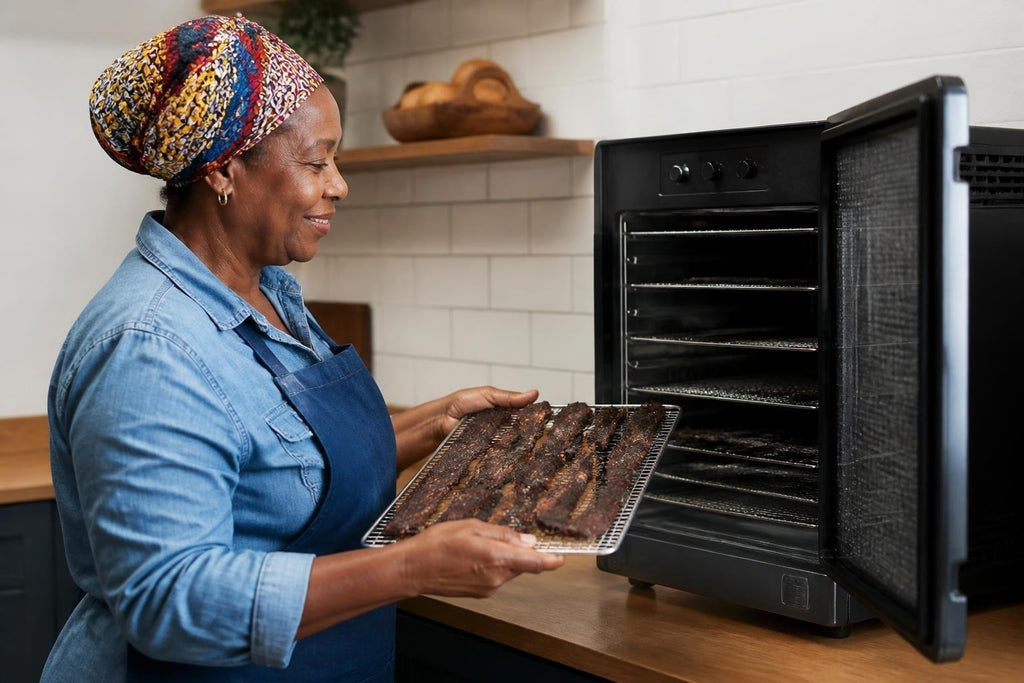
For South Africans living in New Zealand, few snacks evoke the taste of home quite like perfectly dried biltong. While you can purchase ready-made biltong from our ready-to-eat biltong collection, many expats prefer making their own using dedicated biltong dryers. These specialised appliances have become increasingly popular among the South African community in New Zealand, offering a reliable way to recreate an authentic taste of home. Understanding how these dryers work, what features matter most, and how they compare to traditional methods can help you decide whether investing in one makes sense for your household.
Understanding How Biltong Dryers Function
Biltong dryers operate on simple yet effective principles that replicate the traditional drying environment found in South African homes. Unlike jerky, which relies on heat and smoking, biltong requires gentle air circulation at controlled temperatures to achieve its distinctive texture and flavour.
The core components include a heating element, fan system, and ventilation design that work together to create optimal drying conditions. Most modern biltong dryers maintain temperatures between 25°C and 35°C, which prevents cooking the meat whilst promoting safe bacterial reduction through dehydration.
Temperature Control Systems
Precise temperature regulation separates quality dryers from basic models. Digital thermostats allow you to set exact temperatures, crucial for different meat types and thicknesses. Beef typically dries best at 28-30°C, whilst game meats may require slightly different settings.
The infrared drying technology represents an emerging alternative to conventional convective drying methods, potentially offering improved energy efficiency and product quality. However, traditional fan-based systems remain the standard for home use due to their reliability and consistent results.
Key Features That Define Quality Dryers
When evaluating biltong dryers, several specifications directly impact your final product quality and user experience. Not all dryers deliver the same results, making it essential to understand which features justify higher price points. For a practical home option, explore the Mellerware Biltong King, designed for convenient small-batch biltong making.
| Feature | Budget Models | Premium Models | Impact on Results |
|---|---|---|---|
| Capacity | 2-4 kg | 8-15 kg | Batch size flexibility |
| Temperature Range | Fixed 30°C | 20-40°C adjustable | Meat variety options |
| Fan Power | Single 20W | Dual 40W+ | Drying consistency |
| Construction | Plastic housing | Stainless steel | Durability, hygiene |
| Timer Function | Manual check | Digital 72hr+ | Convenience |
Airflow and Ventilation Design
Proper air circulation prevents the two main problems home biltong makers encounter: uneven drying and moisture buildup. Quality dryers incorporate multiple airflow patterns that ensure every piece receives consistent exposure.
- Bottom-to-top airflow mimics natural convection currents
- Cross-flow ventilation prevents moisture pockets forming
- Adjustable vents let you fine-tune humidity levels
- Removable trays enable customised spacing for thick cuts
The ventilation system also plays a crucial role in managing the microbial profile during drying, which directly affects both safety and flavour development. Adequate airflow reduces surface moisture quickly, creating conditions that inhibit harmful bacterial growth whilst promoting beneficial flavour compounds.
Comparing Dryer Types and Configurations
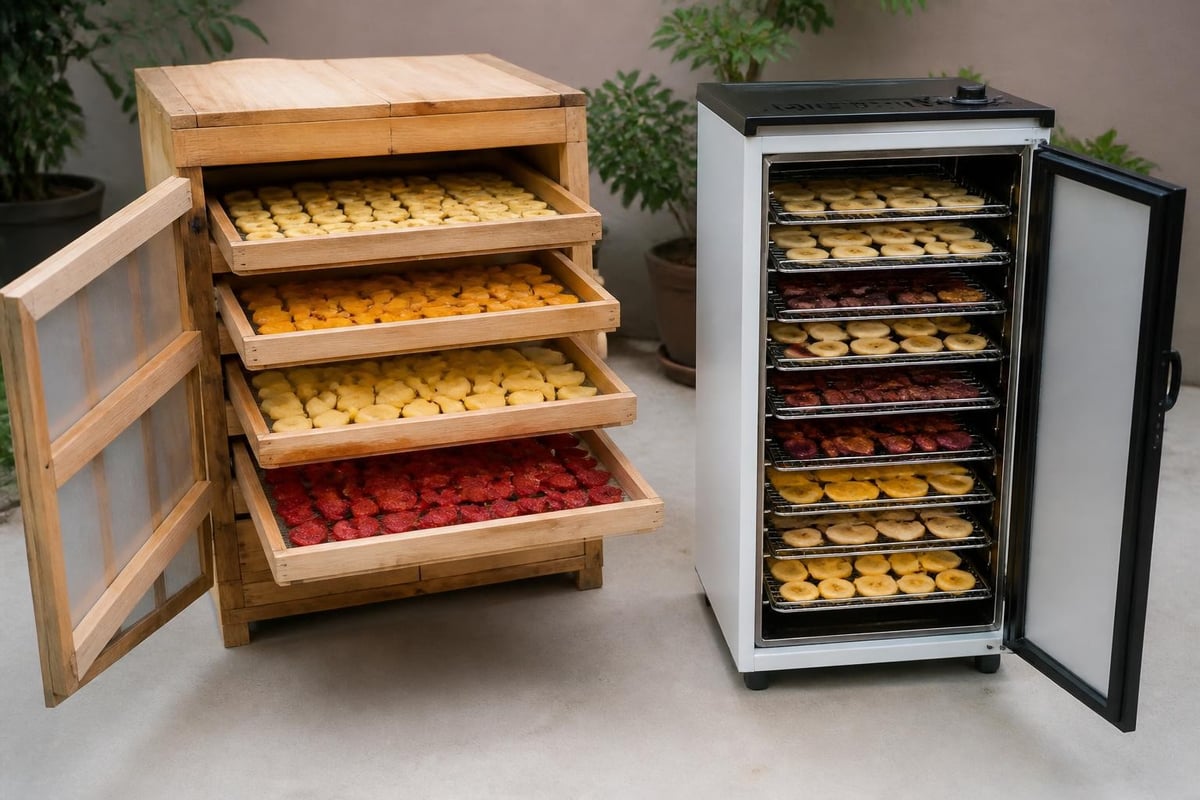
Several dryer designs have emerged in the market, each with distinct advantages depending on your specific needs. Box-style units dominate the home market, but cabinet configurations appeal to serious enthusiasts and small commercial operations.
Box-Style Biltong Dryers
These compact units suit most home kitchens and offer straightforward operation. They typically accommodate 3-6 kilograms of meat, sufficient for regular family consumption. Box-style dryers excel in energy efficiency, running costs of approximately NZ$0.15-0.30 per day depending on your electricity rates.
Their smaller footprint makes storage convenient when not in use, particularly important in New Zealand homes where kitchen space comes at a premium. Many South Africans living in apartments find these units ideal for maintaining their food traditions without requiring dedicated storage areas.
Cabinet Configurations
Larger cabinet-style dryers resemble small refrigerators and can process 10-20 kilograms simultaneously. These suit families who consume significant quantities or groups who pool resources for bulk production.
Cabinet models often include advanced features such as programmable cycles, humidity sensors, and multiple temperature zones. Whilst their higher initial cost (NZ$600-1,200) may seem steep, the per-kilogram operating cost actually decreases with regular use.
The Science Behind Proper Drying Conditions
Understanding the biological and physical processes occurring during biltong production helps optimise your dryer settings and troubleshoot common issues. Moisture removal follows predictable patterns influenced by temperature, humidity, and air velocity.
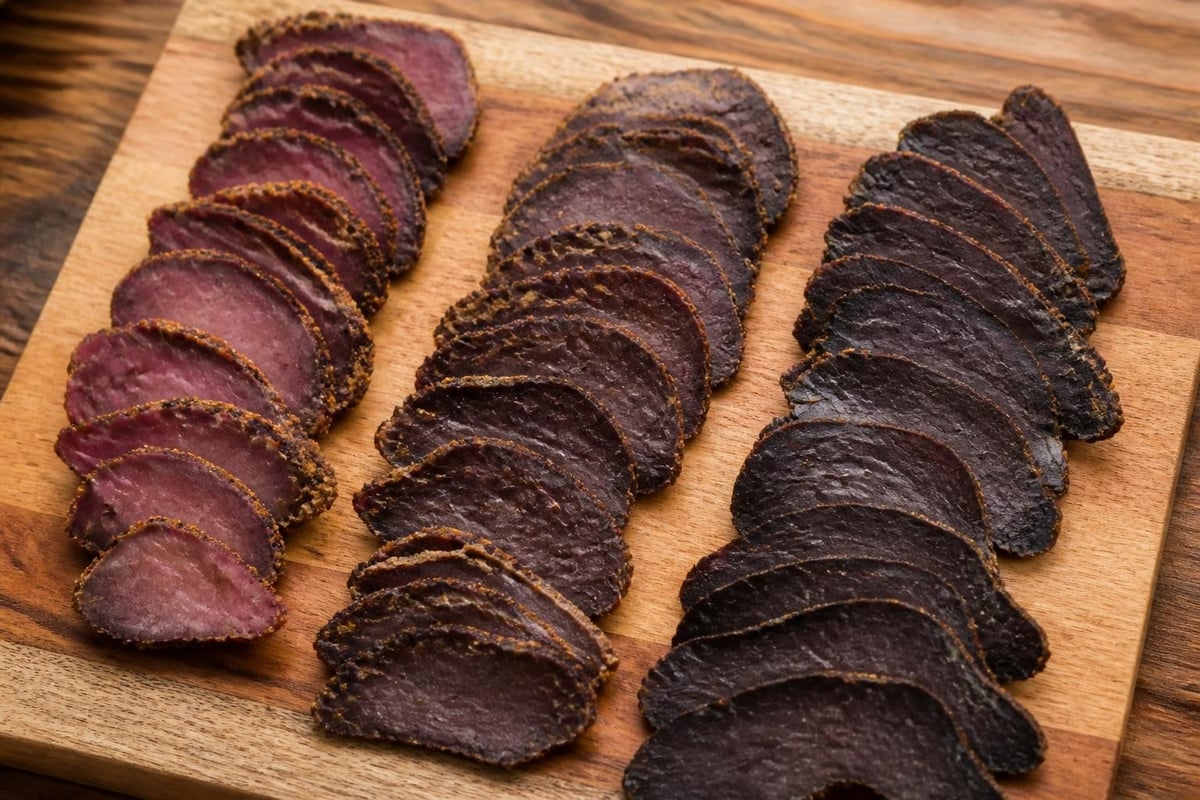
Fresh meat contains approximately 70-75% water by weight. Quality biltong reduces this to 30-40%, achieved through carefully controlled dehydration. The physicochemical properties change significantly as moisture content decreases, affecting texture, colour, and shelf stability.
Moisture Migration and Surface Drying
During the first 12-24 hours, surface moisture evaporates rapidly whilst internal moisture begins migrating outward. This phase requires maximum airflow to prevent case hardening, where the exterior dries too quickly and seals in internal moisture.
Temperature stability during this critical period determines overall drying success. Fluctuations can create condensation that encourages bacterial growth or extends drying time unnecessarily. Modern dryers with digital controls maintain consistency that manual methods cannot match.
The second phase, from 24-48 hours, sees gradual internal moisture reduction. Air circulation remains important, but the rate of change slows considerably. Many experienced biltong makers reduce fan speed during this period to save energy without compromising results.
Maintenance and Hygiene Considerations
Biltong dryers require regular cleaning to prevent bacterial buildup and ensure food safety. Unlike high-temperature cooking equipment, dryers operate in a temperature range where bacteria can multiply if conditions allow.
After each use, follow this maintenance routine:
- Remove all meat and wipe down surfaces with food-safe sanitiser
- Clean drip trays thoroughly to eliminate fat deposits
- Wash removable components in hot soapy water
- Inspect fan blades for dust accumulation
- Check ventilation openings for blockages
- Dry all components completely before storage
Monthly deep cleaning extends dryer lifespan and maintains optimal performance. Disassemble removable parts and sanitise with diluted vinegar solution, which effectively addresses mineral deposits from New Zealand's harder water in some regions.
Cost Analysis and Value Proposition
Determining whether purchasing a biltong dryer makes financial sense depends on your consumption patterns and current purchasing habits. South Africans in New Zealand face premium pricing for imported biltong, typically NZ$80-120 per kilogram for quality products.
| Production Method | Initial Cost | Cost per kg | Annual Cost (1kg/month) |
|---|---|---|---|
| Store-bought | $0 | $90-110 | $1,080-1,320 |
| Basic dryer | $200-350 | $25-35 | $300-420 + dryer |
| Premium dryer | $500-800 | $20-30 | $240-360 + dryer |
| Traditional (DIY) | $50-100 | $20-28 | $240-336 + setup |
The break-even point for a mid-range dryer occurs around 4-6 months for families consuming moderate quantities. Heavy consumers recover costs within 2-3 months, whilst occasional makers may never justify the expense versus purchasing ready-made biltong.
Hidden Value Beyond Economics
Financial calculations don't capture the complete value proposition that dedicated dryers offer. Many South African expats describe the act of making biltong as a cultural practice that connects them to their heritage, particularly valuable when raising children in New Zealand.
The ability to control ingredients addresses dietary requirements that commercial products cannot accommodate. Those following specific health protocols appreciate knowing exactly what goes into their biltong, from salt levels to vinegar types and spice blends.
Selecting the Right Dryer for Your Needs
Matching dryer specifications to your actual requirements prevents overspending on unnecessary features whilst ensuring you have capabilities you'll genuinely use. Consider these factors before purchasing:
Household consumption patterns determine capacity requirements. A family of four eating biltong weekly needs approximately 2-3 kilograms monthly, easily managed by entry-level units. Larger gatherings or those sharing with other South African families might justify commercial-grade equipment.
Climate considerations matter more than many realise. New Zealand's humidity varies significantly by region, with coastal areas requiring more robust ventilation than drier inland locations. Auckland's higher humidity demands stronger airflow than Christchurch's typically drier conditions.
Feature Prioritisation Matrix
Not every feature delivers equal value for all users. Assess your priorities:
- Digital controls: Essential for beginners, less critical for experienced makers
- Large capacity: Necessary for bulk production, wasteful for occasional use
- Stainless construction: Valuable for frequent use, optional for monthly batches
- Advanced timers: Convenience feature rather than requirement
- Multi-zone drying: Professional feature rarely needed at home
Most South African households in New Zealand find mid-range models with 5-8 kilogram capacity, basic digital controls, and adjustable temperature settings provide the optimal balance between functionality and investment. Beginners who prefer an all-in-one starting point can also explore the Biltong Starter Kit or the Experimental Biltong Kit.
Integration with South African Food Culture
Biltong dryers represent more than kitchen appliances for South African expats. They serve as cultural anchors that help maintain food traditions in New Zealand's multicultural environment. Our Make Your Own Biltong collection brings together the equipment, spices and accessories needed for home production, but the process itself offers something store purchases cannot replicate.
Making biltong creates opportunities to share South African culture with New Zealand friends and colleagues. Many expats report that introducing Kiwi neighbours to home-made biltong leads to deeper cultural exchanges and strengthened community connections.
Teaching Traditional Methods to New Generations
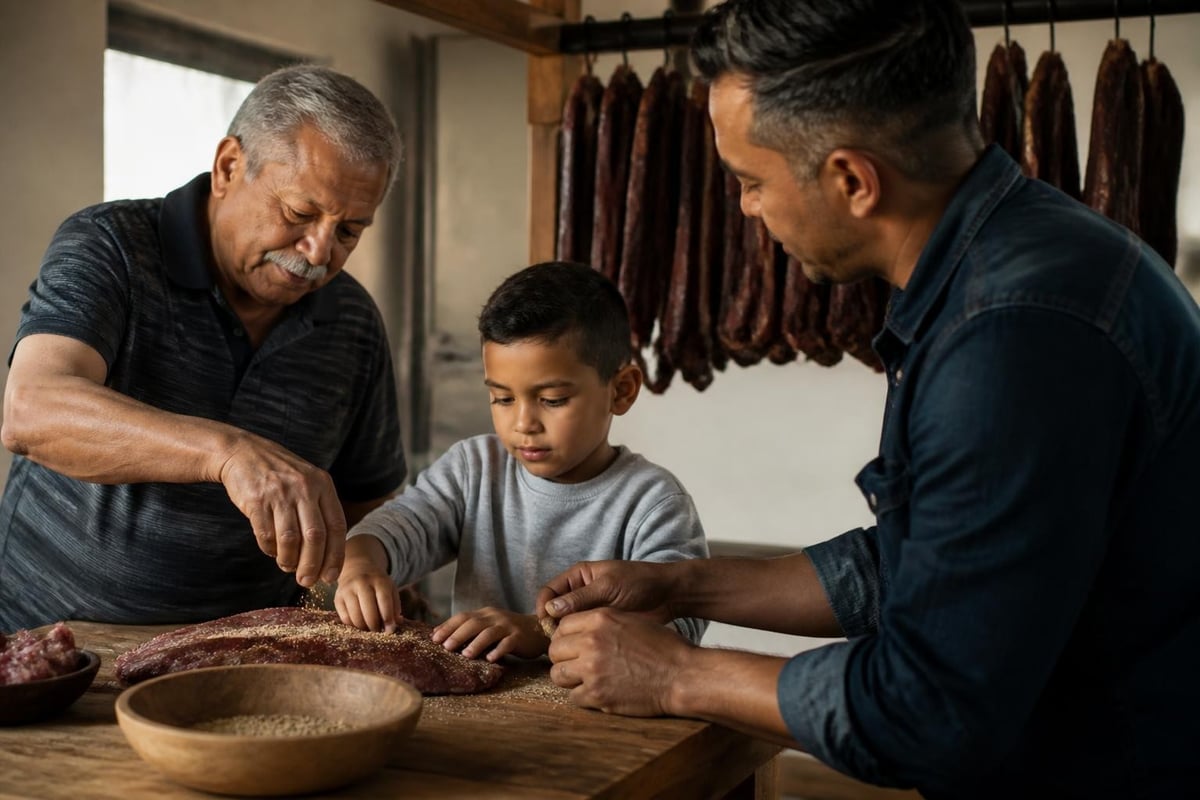
Second-generation South Africans born in New Zealand benefit from hands-on involvement in traditional food preparation. Using biltong dryers makes the process accessible enough for children to participate safely, unlike traditional methods involving open-air drying that present hygiene challenges.
Parents describe how preparing biltong together creates teaching moments about South African history and the resourcefulness that characterises South African food culture. These experiences provide tangible connections to heritage that complement stories and photographs.
Troubleshooting Common Drying Problems
Even quality biltong dryers occasionally produce disappointing results, usually due to technique issues rather than equipment failure. Understanding common problems and their solutions improves consistency.
White mould appearing on biltong surfaces typically indicates insufficient airflow or excessive humidity. Increase fan speed, reduce batch size to improve air circulation, or wipe affected pieces with vinegar solution and continue drying. This differs from beneficial white bloom, which appears powdery rather than fuzzy.
Uneven drying creates some pieces that finish whilst others remain too moist. Rotate positions during drying, placing thicker pieces near maximum airflow zones. Slice meat more uniformly, aiming for consistent 1-2 centimetre thickness throughout your batch.
When Dryers Underperform
Dryer performance degradation often occurs gradually, making problems difficult to notice until results suffer significantly. Annual performance checks identify issues before they compromise batches:
- Measure actual temperature with separate thermometer
- Compare drying times to manufacturer specifications
- Listen for unusual fan noises indicating bearing wear
- Check heating element resistance if technically capable
- Verify airflow strength matches original performance
Most components can be replaced cost-effectively, extending dryer lifespan beyond a decade with proper maintenance. Replacement parts availability varies by brand, favouring established manufacturers over imported generic units. Browse Mellerware Biltong Dryer Rods when additional or replacement hanging rods are needed.
Regulatory and Safety Considerations in New Zealand
New Zealand's food safety regulations don't specifically address home biltong production, as it falls under private food preparation rather than commercial activity. However, understanding safe practices protects your household from foodborne illness risks.
Electrical safety standards require biltong dryers sold in New Zealand to meet specific certifications. Verify units carry appropriate safety marks before purchasing, particularly when considering imported models from South Africa or elsewhere.
Meat selection significantly impacts safety outcomes. Purchase from reputable suppliers, preferably inspected facilities. Whilst many South Africans traditionally used game meat, New Zealand's venison and beef from licensed processors provide excellent alternatives with consistent quality assurance.
Storage of finished biltong requires attention in New Zealand's variable climate. Vacuum sealing extends shelf life considerably, whilst simple paper bags suffice for consumption within 2-3 weeks. Refrigeration isn't necessary for properly dried biltong but extends storage life if you produce large batches.
Environmental and Sustainability Factors
Energy consumption of biltong dryers varies considerably across models. Typical units draw 100-300 watts during operation, running continuously for 48-96 hours per batch. This translates to 5-30 kilowatt-hours per batch depending on specifications and ambient conditions.
Comparing this to industrial production and international shipping of commercial biltong reveals home production's environmental advantages. Transportation from South Africa to New Zealand generates significant carbon emissions, whilst local production using New Zealand meat eliminates this entirely.
Waste reduction represents another sustainability benefit. Home producers utilise all meat purchased, whilst commercial operations generate trim waste. Bones and fat from home preparation can be composted or used for other purposes rather than entering waste streams.
Enhancing Results Through Technique Refinement
Beyond equipment specifications, technique refinement dramatically improves biltong quality. Experienced makers develop preferences through experimentation that go beyond basic recipes.
Vinegar selection influences flavour profiles significantly. Traditional brown vinegar creates classic taste, whilst apple cider vinegar offers subtle sweetness appreciated by those new to biltong. Some makers blend vinegars to achieve customised flavour complexity.
Spice application timing affects distribution and intensity. Applying spices to wet meat after vinegar soaking ensures better adhesion than dry application. Browse our biltong spice collection, and read our complete guide to biltong spices for help choosing a flavour profile.
Aging finished biltong 3-7 days after drying allows flavours to mellow and redistribute. Store in paper bags in cool, dark conditions during this period. Many experienced makers insist this step differentiates exceptional biltong from merely good products.
Start Making Biltong at Home
Creating authentic South African biltong in New Zealand becomes remarkably achievable with the right equipment and knowledge. Biltong dryers offer consistency and convenience that traditional methods struggle to match, particularly in New Zealand's variable climate conditions.
Explore our Make Your Own Biltong collection, compare the Mellerware Biltong King, or learn more about selecting a biltong cutter. Prefer it ready to eat? Shop our full ready-to-eat biltong range.