
Stores Ship South African Groceries to New Zealand
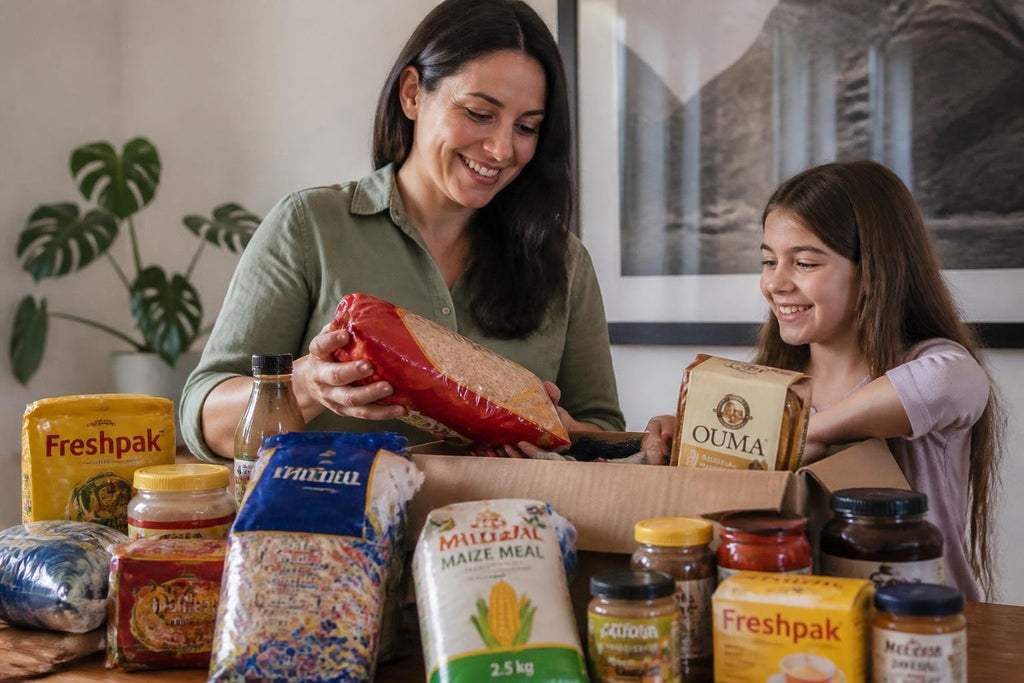
For thousands of South Africans living in New Zealand, finding familiar tastes from home can transform an ordinary meal into a cherished memory. The demand for authentic South African products has grown significantly alongside New Zealand's expanding South African community, prompting specialist retailers to develop reliable supply chains. Today, stores ship South African groceries to New Zealand through well-established importation networks that bring everything from Mrs Ball's Chutney to biltong directly to Kiwi doorsteps.
Understanding the South African Grocery Market in New Zealand
The South African-born population in New Zealand has grown substantially over recent decades. According to 2023 Census data, this community represents a significant demographic that actively seeks products reflecting their cultural heritage. This demand has created a niche market for imported South African groceries.
Why South Africans Seek Familiar Products
Food serves as a powerful connection to cultural identity and childhood memories. South African expats often describe the experience of tasting familiar brands as bringing them emotionally closer to home, even while living thousands of kilometres away.
Key reasons driving demand include:
- Nostalgia for childhood favourites and family recipes
- Desire to share cultural heritage with Kiwi-born children
- Specific ingredients required for authentic South African cooking
- Social gatherings and braais that celebrate South African traditions
- Comfort foods during homesickness or significant life events
These emotional connections make South African groceries more than simple commodities. They represent identity, belonging, and the preservation of cultural practices in a new homeland.
How Stores Ship South African Groceries to New Zealand
The logistics of bringing South African products to New Zealand involve multiple stages, from sourcing and compliance to shipping and distribution. Stores that successfully ship South African groceries to New Zealand have developed expertise across each phase of this complex supply chain.

Sourcing and Product Selection
Specialist importers establish relationships directly with South African manufacturers and distributors. This direct sourcing ensures product authenticity and competitive pricing. Retailers carefully curate their product ranges based on customer demand, shelf stability, and import viability.
Popular categories include:
- Condiments and sauces (chutney, peri-peri, boerewors spice)
- Snacks and confectionery (biltong, droewors, Tennis Biscuits)
- Beverages (Rooibos tea, Oros concentrate)
- Baking ingredients (Snowflake flour, ouma rusks)
- Canned goods and preserves
Something From Home maintains an extensive inventory of over 2,500 South African products, making it one of the most comprehensive South African food stores operating in New Zealand.
Navigating Import Regulations
New Zealand maintains strict biosecurity and food safety standards. When stores ship South African groceries to New Zealand, they must comply with comprehensive regulatory frameworks administered by multiple government agencies.
| Regulatory Body | Responsibility | Key Requirements |
|---|---|---|
| Ministry for Primary Industries (MPI) | Food safety and biosecurity | Import health standards, food importer registration, product testing |
| New Zealand Customs Service | Border clearance | Tariff classification, documentation, prohibited items screening |
| Food Safety Authority | Compliance monitoring | Labelling standards, allergen declarations, shelf-life verification |
The MPI's food and beverage import guidance outlines essential requirements including food-safety clearance, registration as a food importer, and mandatory sampling procedures. Importers must register with MPI and ensure all products meet New Zealand food standards before they reach consumers.
Additionally, general importing requirements cover biosecurity checks, customs procedures, and import health standards that protect New Zealand's unique ecosystem.
Shipping Methods and Logistics
Stores ship South African groceries to New Zealand primarily through two methods: sea freight and air freight. Each offers distinct advantages depending on product characteristics and customer urgency.
Sea Freight:
- Most cost-effective for bulk shipments
- Transit time typically 4-6 weeks
- Ideal for shelf-stable products
- Lower carbon footprint per unit
- Requires longer inventory planning cycles
Air Freight:
- Faster delivery (5-10 days)
- Suitable for perishables and high-demand items
- Higher cost per kilogram
- Essential for temperature-sensitive products
- Enables responsive inventory management
For perishable items requiring temperature control, importers follow IATA Perishable Cargo Regulations, which establish industry standards for cold-chain handling during international air transport.
The Role of Specialist South African Retailers
While general grocery stores occasionally stock select South African items, specialist retailers provide the breadth and authenticity that South African expats seek. These dedicated stores ship South African groceries to New Zealand with an understanding of cultural nuances and customer preferences.
Warehouse Operations in New Zealand
Forward-thinking retailers establish warehouse facilities within New Zealand, allowing them to maintain substantial inventory and offer rapid dispatch. This local presence provides several customer benefits:
- Faster delivery times compared to direct imports
- Consolidated shipping reducing individual freight costs
- Quality control before products reach customers
- Local customer service in familiar time zones
- Easy returns and exchanges without international complications
Something From Home operates its own New Zealand-based warehouse, ensuring quick turnaround times and reliable product availability for customers throughout the country.
Product Range and Availability
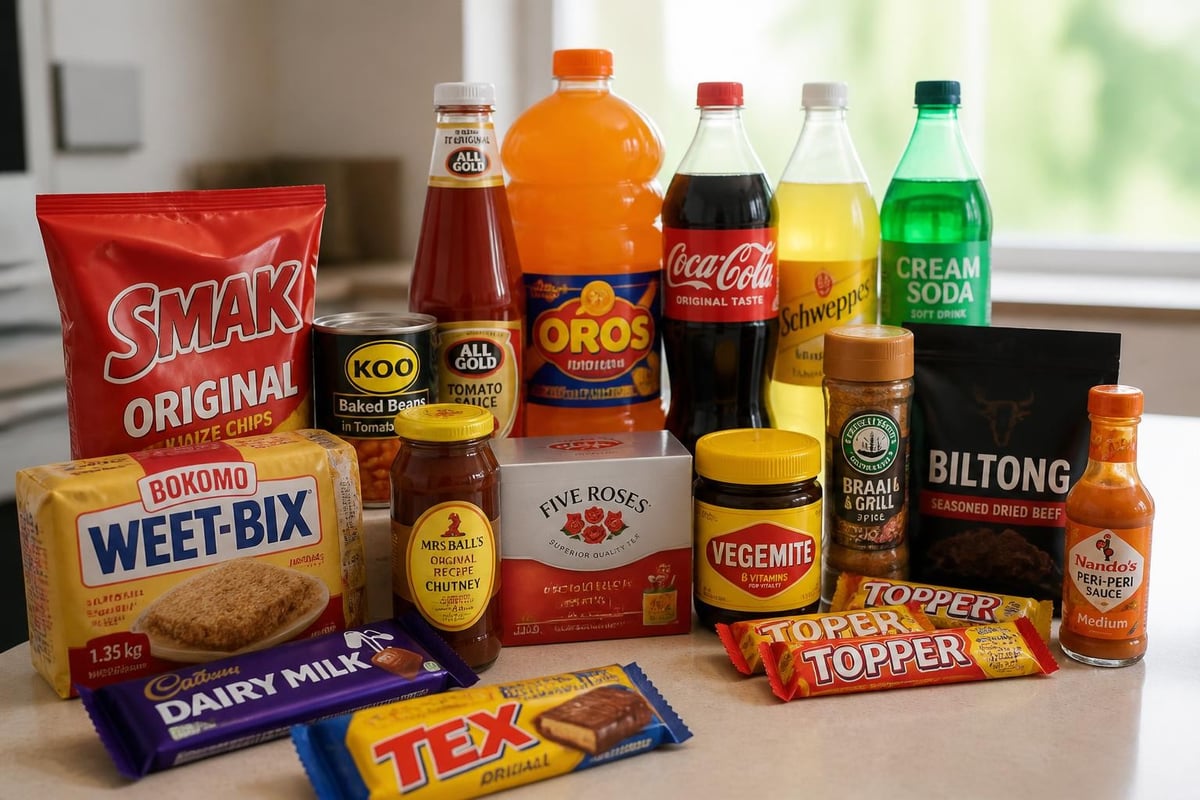
Successful South African retailers stock comprehensive product ranges that cater to various customer needs. The breadth of selection distinguishes specialist stores from general retailers.
| Category | Example Products | Typical Stock Levels |
|---|---|---|
| Condiments | All Gold Tomato Sauce, Mrs Ball's Chutney, Nando's Peri-Peri | High (permanent staples) |
| Snacks | Simba Chips, Astros, Tex bars | High (fast-moving items) |
| Beverages | Rooibos, Five Roses, Appletiser | Medium to High |
| Baking | Ouma Rusks, Safari Biscuits, Bakers Biscuits | Medium |
| Braai Items | Boerewors spice, Mrs Ball's Marinade | Seasonal peaks |
The braai collection at Something From Home exemplifies this comprehensive approach, offering everything needed for an authentic South African braai experience.
Online Shopping Experience
Modern consumers expect seamless digital experiences. When stores ship South African groceries to New Zealand, the online shopping platform becomes crucial to customer satisfaction and business success.
Website Features and Functionality
Effective South African grocery websites incorporate specific features that enhance the shopping experience:
- Product search and filtering by brand, category, or dietary requirements
- Detailed product descriptions including ingredients and country of origin
- Customer reviews and ratings building community trust
- Multiple payment options including credit cards and digital wallets
- Order tracking providing transparency throughout delivery
- Recipe inspiration linking products to traditional dishes
These features help customers discover new products while efficiently locating familiar favourites.
Delivery Options Across New Zealand
Geographic coverage matters significantly for South African expats distributed throughout New Zealand's urban centres and rural communities. Reliable stores ship South African groceries to New Zealand addresses from Kaitaia to Invercargill.
Common delivery models include:
- Standard courier service (3-5 business days)
- Express delivery for urgent orders
- Free shipping thresholds encouraging larger purchases
- Rural delivery with appropriate timeframe expectations
- Click-and-collect options in major centres
Transparent communication about delivery costs and timeframes builds customer confidence and manages expectations effectively.
Customs, Tariffs, and Compliance Considerations
The commercial importation of South African groceries involves navigating New Zealand's customs framework. Understanding these requirements helps explain why stores ship South African groceries to New Zealand at particular price points.
Tariff Classifications and Duties
New Zealand applies tariffs based on the Harmonised System (HS) classification of goods. Food products fall under various HS codes, each potentially carrying different duty rates. The New Zealand Tariff Finder enables importers to check applicable rates and trade agreement concessions.
South Africa and New Zealand do not currently have a preferential trade agreement, meaning most imports attract Most Favoured Nation (MFN) tariff rates. These costs factor into final retail pricing.
Documentation Requirements
New Zealand Customs requires comprehensive documentation for commercial food imports:
- Commercial invoices detailing product values
- Bills of lading or airway bills
- Certificates of origin
- MPI import permits where applicable
- Product specifications and ingredient declarations
- Laboratory test results for certain food categories
Experienced importers maintain systematic documentation processes, ensuring smooth customs clearance and minimising delays that could affect product quality.
Price Considerations and Value Proposition
Customers often wonder why imported South African products command premium prices compared to local alternatives. Understanding the cost structure helps appreciate the value when stores ship South African groceries to New Zealand.
Cost Components
Import costs include:
- Product purchase price (ex-factory South Africa)
- International freight (sea or air)
- Marine or cargo insurance
- Customs duties and tariffs
- MPI clearance fees and testing
- Local warehousing and handling
- Domestic distribution and delivery
- Retailer margin and operating costs
These cumulative costs explain price differences while reflecting the specialised nature of serving niche markets.
Value Beyond Price
For South African expats, the value extends beyond simple cost comparisons. Access to authentic products eliminates the disappointment of substitutions and unsuccessful recipe attempts. The emotional satisfaction of recreating childhood favourites or sharing cultural traditions with family justifies premium pricing for many customers.

Building Community Through Food
Stores that ship South African groceries to New Zealand do more than facilitate transactions. They serve as cultural anchors, connecting dispersed communities through shared tastes and traditions.
Cultural Events and Celebrations
South African retailers often support community events:
- Heritage Day celebrations featuring traditional foods
- Sports viewing parties for Springbok matches
- Recipe-sharing initiatives highlighting South African cuisine
- Social media communities discussing products and memories
- Collaborations with South African associations and clubs
These activities strengthen community bonds while introducing New Zealand-born generations to their South African heritage.
Introducing South African Food to Kiwi Friends
Many South African families enjoy sharing their culinary heritage with New Zealand friends and neighbours. Products like biltong, koeksisters, and melktert often become conversation starters that build cross-cultural understanding.
This sharing expands the customer base beyond South African expats to include Kiwis who develop appreciation for these unique flavours through social connections.
Quality Assurance and Product Freshness
When stores ship South African groceries to New Zealand, maintaining product quality throughout the supply chain remains paramount. Temperature fluctuations, humidity, and transit duration all potentially impact product condition.
Quality Control Measures
Reputable importers implement multiple quality checkpoints:
- Supplier audits ensuring manufacturing standards
- Pre-shipment inspections verifying product condition
- Temperature monitoring during transport
- Receiving inspections upon New Zealand arrival
- Regular stock rotation following FIFO principles
- Expiry date management and clearance protocols
These measures protect customer satisfaction and food safety while minimising waste.
Storage and Shelf Life
Proper warehousing extends product shelf life and maintains quality. Climate-controlled facilities protect temperature-sensitive items, while organised inventory systems ensure older stock ships before fresher arrivals.
Customers benefit from clear expiry date information and storage recommendations, helping them maintain product quality after purchase.
The Future of South African Grocery Imports
The market for South African products in New Zealand continues evolving. As stores ship South African groceries to New Zealand more efficiently, several trends shape the industry's future.
Expanding Product Ranges
Customer demand drives continuous product diversification. Retailers increasingly stock:
- Health-conscious alternatives (sugar-free, vegan, organic)
- Regional specialities beyond mainstream brands
- Fresh and frozen products requiring cold-chain logistics
- Artisanal items from small South African producers
- Cosmetics and toiletries beyond food products
This expansion reflects customer sophistication and willingness to explore beyond core favourites.
Technological Improvements
Digital innovation enhances the shopping experience:
- Improved website personalisation based on purchase history
- Subscription services for regular favourites
- Mobile apps streamlining repeat purchases
- Enhanced product photography and descriptions
- Virtual shopping assistance and recipe suggestions
These technologies strengthen customer relationships while improving operational efficiency.
Sustainability Considerations
Environmental consciousness influences how stores ship South African groceries to New Zealand. Customers increasingly value:
- Carbon-offset shipping options
- Consolidated shipments reducing freight frequency
- Recyclable or biodegradable packaging
- Support for South African producers with sustainable practices
- Transparency about environmental impact
Progressive retailers address these concerns while balancing cost implications and customer priorities.
Practical Tips for Customers
South Africans new to ordering groceries from specialist importers benefit from practical guidance maximising their shopping experience.
Optimising Your Order
Consider these strategies:
- Plan ahead: Order before running out of essentials, accounting for delivery times
- Bulk purchases: Reach free-shipping thresholds or reduce per-unit costs
- Seasonal items: Stock up on products available only during specific periods
- Try new products: Explore beyond familiar brands using sample sizes where available
- Check specials: Subscribe to newsletters announcing sales and promotions
Strategic ordering maximises value while ensuring continuous access to favourite products.
Storage Recommendations
Proper storage extends product life after delivery:
- Dry goods: Store in cool, dark pantries away from heat sources
- Rooibos and teas: Use airtight containers preserving flavour
- Biltong: Refrigerate after opening or vacuum-seal for freezing
- Condiments: Refrigerate after opening per label instructions
- Biscuits and rusks: Keep sealed preventing moisture absorption
Following these practices protects your investment in imported specialities.
Comparing Retail Options
While several retailers serve the South African community in New Zealand, significant differences exist in product range, pricing, and service levels. Understanding these distinctions helps customers make informed choices about where to purchase their South African groceries.
What to Look for in a South African Retailer
Key evaluation criteria include:
| Factor | Why It Matters | Questions to Ask |
|---|---|---|
| Product range | Breadth of selection | Do they stock your specific favourites? |
| Stock availability | Consistent supply | Are items regularly out of stock? |
| Pricing | Value for money | Are prices competitive including delivery? |
| Delivery reliability | Timely receipt | Do orders arrive when promised? |
| Customer service | Problem resolution | How responsive are they to queries? |
| Website experience | Shopping convenience | Is navigation intuitive and informative? |
Evaluating retailers across these dimensions identifies the best fit for individual needs and preferences.
Finding authentic South African groceries in New Zealand no longer requires compromise or substitution thanks to specialist retailers who understand the cultural importance of familiar flavours. Whether you're craving the tang of Mrs Ball's Chutney, the comfort of Ouma Rusks, or the perfect spice blend for boerewors, stores ship South African groceries to New Zealand with increasing efficiency and expanding product ranges. For the most comprehensive selection of over 2,500 authentic South African products delivered throughout New Zealand, explore the range at Something From Home.