
African Flag Flag: Colours, Symbolism & Cultural Pride
The african flag flag represents more than just national identity-it embodies a rich tapestry of cultural heritage, historical struggle, and collective pride that resonates across the continent and throughout diaspora communities worldwide. When South Africans living in New Zealand see the vibrant colours of their national flag or recognise the Pan-African colour scheme shared across multiple African nations, it triggers a powerful connection to home. This connection extends beyond visual symbols to encompass the tastes, sounds, and cultural practices that define what it means to be South African, from the food we share at braais to the products we seek when living abroad.
Understanding the African Flag Flag and Its Significance
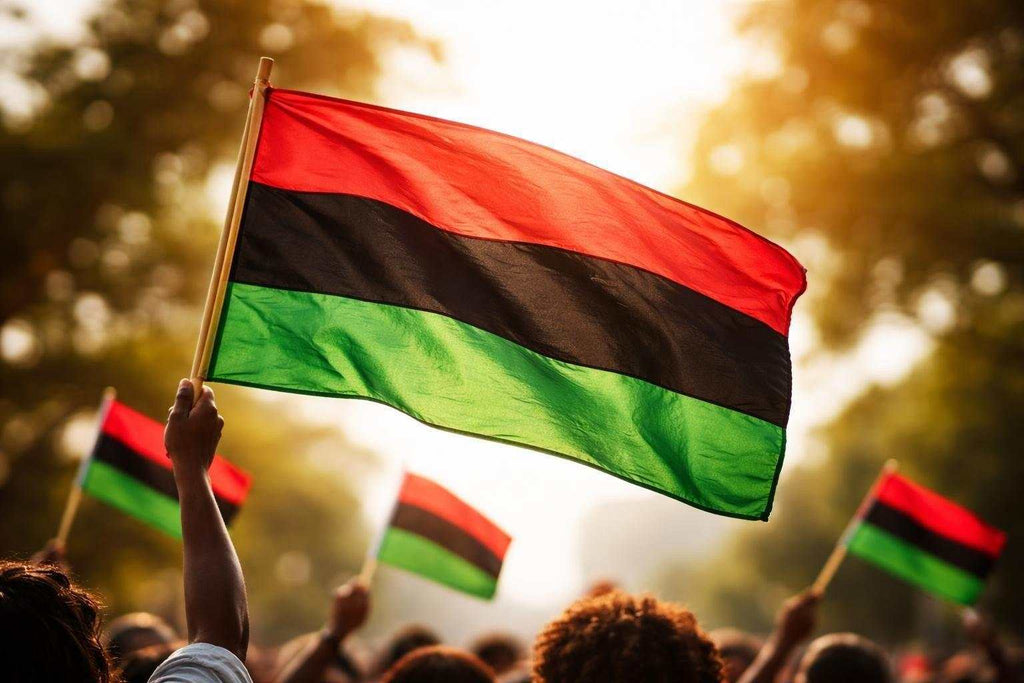
The african flag flag concept encompasses both individual national flags and the broader Pan-African flag tradition that unites many African nations through shared colour symbolism. The Pan-African colours-red, black, and green-carry profound meaning across the continent.
Red symbolises the blood shed during struggles for independence and freedom. Black represents the people of Africa and their strength. Green signifies the continent's natural wealth and agricultural abundance. These colours appear in various combinations across numerous African flags, creating a visual language of shared heritage and common purpose.
The Pan-African Movement and Flag Design
The Pan-African flag movement emerged from early 20th-century activism, with Marcus Garvey's Universal Negro Improvement Association adopting the red, black, and green tricolour in 1920. This colour scheme has since influenced flag design across Africa and the Caribbean, creating a powerful visual connection between nations and communities separated by geography but united by history.
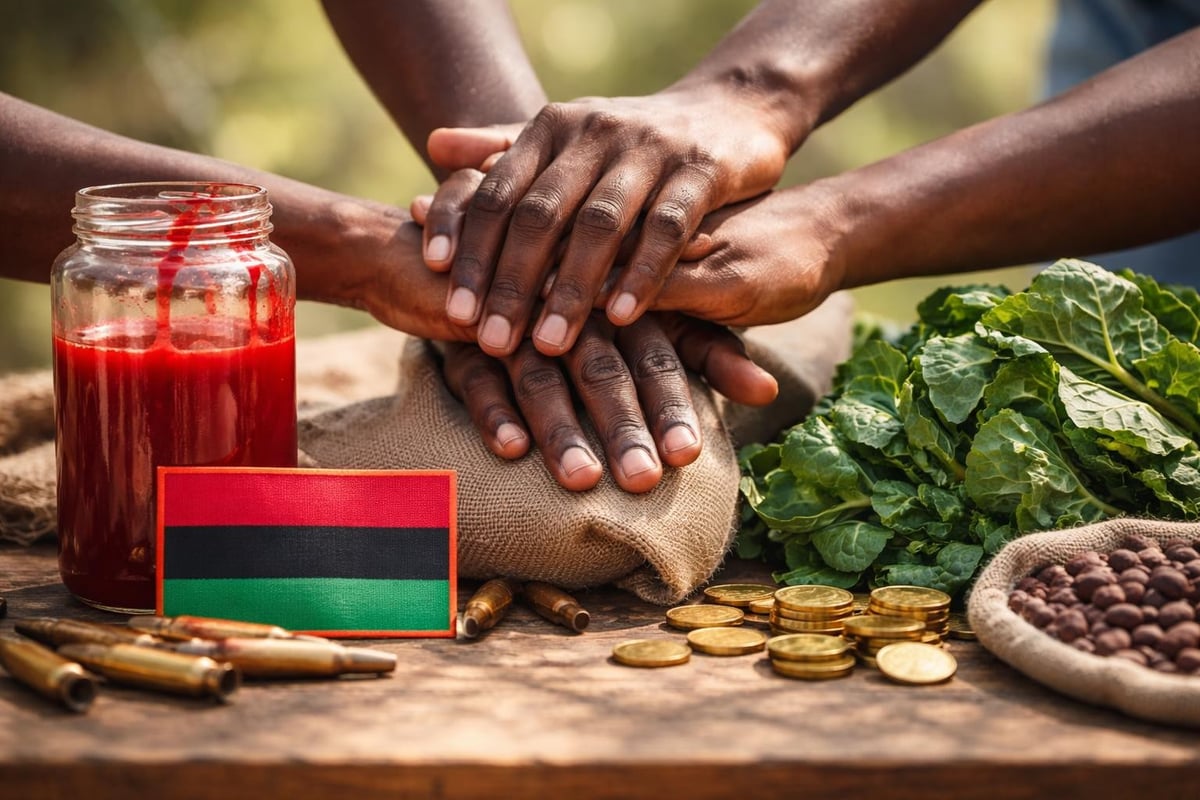
Many African nations incorporated these colours following independence in the 1960s, a period when newly sovereign states sought to express both national identity and continental solidarity. The african flag flag tradition thus represents both uniqueness and unity-each nation's flag tells its own story whilst participating in a larger narrative of African liberation and pride.
South Africa's Flag: A Symbol of Transformation
The South African flag, adopted in 1994, stands as one of the most recognisable symbols of democratic transformation. Its six colours-red, blue, green, black, white, and gold-converge in a unique Y-shape that symbolises unity and convergence.
This african flag flag design emerged during the transition to democracy, deliberately avoiding the symbols of the apartheid era whilst incorporating elements that represented all South Africans. The Y-shape metaphorically represents diverse elements coming together and moving forward in a unified direction.
Colour Meanings in the South African Flag
| Colour | Symbolic Meaning |
|---|---|
| Red | Bloodshed and sacrifice |
| Blue | Open skies and opportunities |
| Green | Fertility and land |
| Black | The people of South Africa |
| White | Peace and unity |
| Gold | Mineral wealth |
For South Africans living in New Zealand, seeing these colours evokes powerful memories and emotions. Whether displayed at community gatherings, rugby matches, or in homes far from the Highveld and Cape coast, the flag maintains its power to connect expatriates to their roots.
The Cultural Connection Between Flags and Food
The african flag flag serves as more than a political symbol-it represents the entire cultural ecosystem of a nation, including its culinary traditions. When South Africans gather under their flag in New Zealand, food inevitably becomes central to the celebration.
Traditional South African cuisine reflects the nation's diversity, from Cape Malay influences to indigenous African cooking traditions and European settler contributions. This culinary heritage travels with South Africans wherever they go, creating a constant search for familiar flavours in new environments.
Finding Home Through Familiar Products
South Africans in New Zealand often seek products that carry the same cultural weight as the african flag flag itself. A bottle of Ceres juice or a packet of familiar spices becomes a tangible connection to home, much like seeing the flag flying at a local event.
These products represent more than sustenance-they're cultural markers that maintain identity across distance. When preparing a traditional meal using Ina Paarman's seasonings, South African expatriates recreate not just flavours but memories, family traditions, and a sense of belonging.

Flag Colours Across African Nations
The vexillological approach to African flags reveals fascinating patterns and shared symbolism. The african flag flag tradition demonstrates how newly independent nations used colour and design to assert identity whilst acknowledging shared continental heritage.
Common African Flag Elements
- Tricolour designs featuring horizontal or vertical bands
- Stars representing unity, aspirations, or territorial divisions
- Emblems showcasing national animals, plants, or cultural symbols
- Pan-African colours in various combinations
- Geometric patterns reflecting traditional art and design
Countries like Ghana, Guinea, and Mali prominently feature the Pan-African colours, whilst others incorporate blue for water resources or yellow for sunshine and mineral wealth. Understanding these shared colours provides insight into common historical experiences and aspirations.
The Role of Flags in Diaspora Communities
For South Africans living in New Zealand, the african flag flag becomes particularly significant during national holidays, sporting events, and community gatherings. Heritage Day, Freedom Day, and other important dates see South African flags displayed proudly in homes, community centres, and at special events.
Building Community Through Shared Symbols
The flag serves as a rallying point for diaspora communities, helping maintain cultural connections across generations. Children born in New Zealand to South African parents learn about their heritage partly through these visual symbols and the traditions they represent.
This is where food and cultural products play a crucial role. When families gather to celebrate South African holidays, they often prepare traditional dishes using products specifically imported from South Africa. These gatherings reinforce cultural identity just as powerfully as displaying the african flag flag.
Shopping for South African Products in New Zealand
The challenge of finding authentic South African products in New Zealand has led many expatriates to seek specialised retailers who understand the importance of these cultural connections. A South African food store that stocks familiar brands and products becomes an essential resource for maintaining cultural traditions.
From braai essentials to everyday grocery items, access to genuine South African products helps expatriates feel more connected to home. The availability of these products in New Zealand has improved significantly over recent years, with dedicated importers ensuring South Africans can access more than 2,500 familiar items.
Essential Products South Africans Seek
| Product Category | Common Items | Cultural Significance |
|---|---|---|
| Beverages | Rooibos tea, fruit juices | Daily rituals and comfort |
| Condiments | Spice blends, sauces | Authentic flavour profiles |
| Snacks | Biltong, droëwors | Traditional preserved foods |
| Cooking ingredients | Seasoning mixes | Family recipes and traditions |
| Personal care | Familiar brands | Daily routine continuity |
The Emotional Power of National Symbols
The symbolism of the red, black, and green flag extends beyond visual aesthetics to touch deeply personal aspects of identity. For many South Africans, seeing their flag or Pan-African colours triggers immediate emotional responses-pride, nostalgia, belonging, and connection.
This emotional power explains why the african flag flag matters so profoundly to expatriate communities. It's not merely patriotism but a fundamental aspect of self-understanding and cultural continuity. When combined with other cultural markers like food, language, and music, these symbols create a complete cultural ecosystem that can be maintained even thousands of kilometres from home.

Maintaining Identity Through Multiple Elements
Living abroad requires intentional effort to maintain cultural identity. South Africans in New Zealand typically employ several strategies:
- Community participation in South African social groups and events
- Cultural education teaching children about heritage and history
- Culinary traditions preparing and sharing traditional foods
- Language maintenance speaking Afrikaans, Zulu, or other South African languages
- Symbol display flying flags and displaying cultural artifacts
Each element reinforces the others, creating a robust framework for cultural continuity across generations and geographic distance.
Flag Etiquette and Respect
Understanding proper african flag flag etiquette demonstrates respect for national symbols and the values they represent. In South Africa, flag protocol follows specific guidelines regarding display, handling, and ceremonial use.
The flag should never touch the ground, should be raised briskly and lowered ceremoniously, and should be illuminated if displayed at night. These protocols reflect the respect due to national symbols and the sacrifices they commemorate.
Flying the Flag Abroad
South Africans living in New Zealand who wish to display their flag at home should be aware of both South African flag etiquette and New Zealand's multicultural environment. Most communities welcome the display of heritage flags as expressions of cultural diversity and pride.
During major South African sporting events, particularly rugby and cricket matches, flags become especially prominent. These occasions unite expatriate communities and provide opportunities to share South African culture with New Zealand friends and neighbours, often over traditional braai foods and beverages.
The Future of African Flag Symbolism
As Africa continues to evolve, the african flag flag tradition adapts whilst maintaining core symbolic elements. Younger generations interpret these symbols through contemporary lenses, finding new meanings whilst respecting historical significance.
For South African children growing up in New Zealand, the flag represents both their heritage and their bicultural identity. Interesting facts about African flags can spark curiosity and learning, helping young people understand their connection to the African continent.
Digital Age and Flag Recognition
Social media has transformed how diaspora communities engage with national symbols. The african flag flag appears in profile pictures, event promotions, and digital celebrations, maintaining visibility and relevance in online spaces where communities gather.
This digital presence complements physical gatherings where traditional foods, music, and cultural practices bring people together. Whether celebrating online or in person, South Africans in New Zealand find ways to honour their heritage whilst building new lives abroad.
Resources for Learning About African Flags
Those interested in exploring African flags more deeply will find numerous resources available, from historical analyses to visual directories of all continental flags. Understanding vexillology-the study of flags-provides insight into how nations express identity through visual symbols.
For South African expatriates, this knowledge enriches their understanding of their own flag's significance and its place within the broader Pan-African tradition. It also provides educational opportunities for children learning about their heritage and Africa's diverse nations.
Teaching Children About Heritage
Parents living in New Zealand often use the african flag flag as an entry point for teaching children about their South African heritage. This might involve:
- Explaining the flag's colours and their meanings
- Sharing family stories connected to South African history
- Preparing traditional meals together using authentic ingredients
- Attending South African community events and celebrations
- Learning basic phrases in South African languages
These activities create lasting connections to heritage whilst allowing children to thrive in their New Zealand environment. Access to authentic South African products makes this cultural transmission more effective, as children can experience the tastes and smells associated with their heritage.
The Intersection of Commerce and Culture
The demand for South African products in New Zealand reflects the broader importance of maintaining cultural connections. Businesses that understand this need provide more than retail services-they facilitate cultural continuity and community connection.
Specialised South African shops recognise that customers aren't simply purchasing groceries but maintaining identity. A jar of Ina Paarman's Potato Spice or bottle of Ceres Guava juice carries cultural weight beyond its utility, much like the african flag flag carries meaning beyond its design.
This understanding shapes how these businesses operate, curating product selections that address both practical needs and emotional connections. The result is a shopping experience that acknowledges and honours the customer's cultural identity.
The african flag flag represents a powerful symbol of identity, heritage, and cultural pride that connects South Africans across the globe to their roots and each other. Whether you're celebrating a national holiday, hosting a braai, or simply seeking familiar flavours to bring comfort to your New Zealand home, maintaining these cultural connections enriches life abroad. Something From Home understands the importance of these connections and provides access to more than 2,500 authentic South African products, helping expatriates maintain the traditions and tastes that make South Africa unforgettable.