Gherkins: The Pickled Delight of South African Cuisine
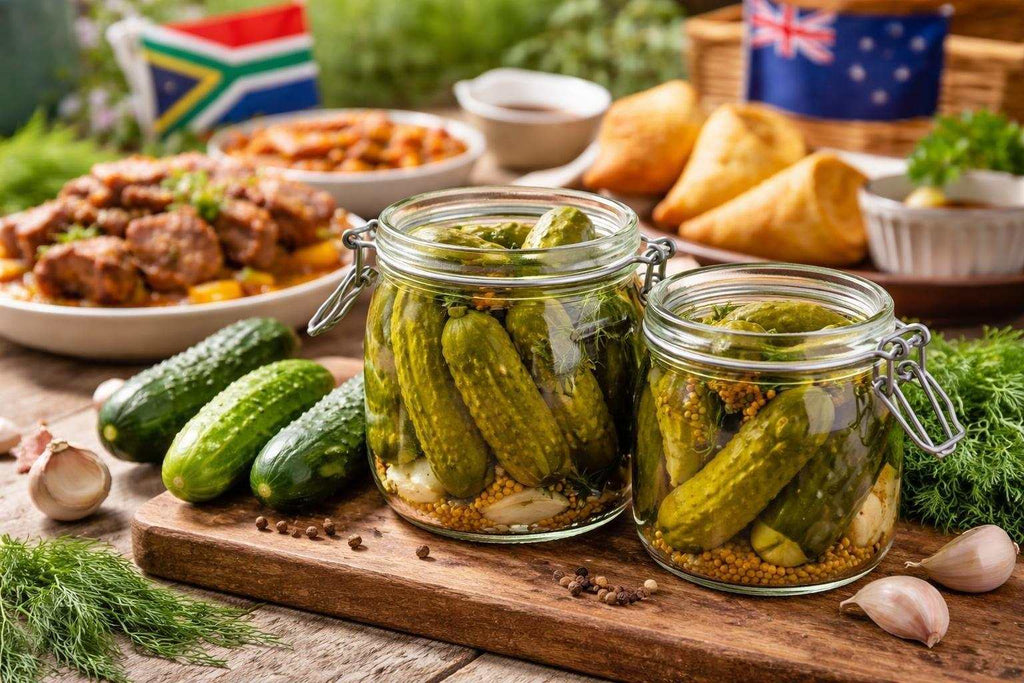
Gherkins hold a special place in South African food culture, appearing on dining tables from Cape Town to Durban and beyond. These small, crisp pickled cucumbers have travelled across oceans with South African expats, becoming one of the most requested items in New Zealand's South African food stores. For those who grew up enjoying gherkins alongside cold meats, in sandwiches, or straight from the jar as a tangy snack, finding authentic South African varieties in New Zealand represents a taste of home that simply cannot be replicated by local alternatives.
The Cultural Significance of Gherkins in South African Food
Gherkins represent more than just a pickled vegetable in South African cuisine. They embody a tradition of preserving fresh produce that dates back generations, connecting modern households with historical food preservation methods.
In South African homes, gherkins frequently appear at braais, family gatherings, and everyday meals. They provide a sharp, acidic counterpoint to rich meats and creamy salads. This balance of flavours reflects the broader South African approach to food, which values contrasting textures and tastes within a single meal.
Traditional South African uses for gherkins include:
- Accompaniments to cold meat platters and cheese boards
- Essential ingredients in pickled fish dishes
- Sandwich fillings with ham or polony
- Side dishes at barbecues and braais
- Snacks eaten directly from the jar
The specific varieties and brands of gherkins available in South Africa often differ from those found in New Zealand supermarkets, which is why South Africans living abroad actively seek out authentic products from South African food stores.
Why South African Gherkins Stand Apart
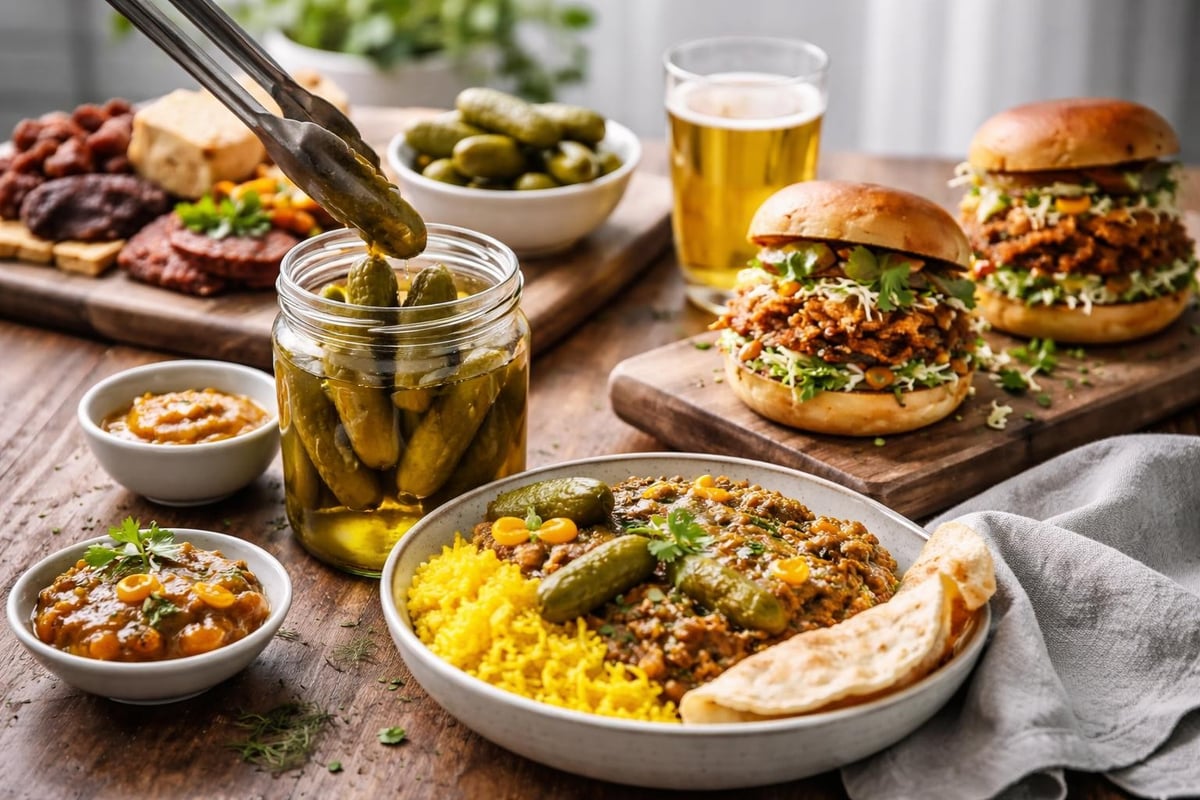
South African gherkins possess distinctive characteristics that set them apart from generic pickled cucumbers. The brine formulations, spice blends, and pickling methods used by South African manufacturers create flavour profiles that expats immediately recognise.
These products often incorporate specific spices and vinegar ratios that reflect South African taste preferences. The texture tends toward a firmer, crunchier bite compared to softer European-style pickles. This textural difference matters significantly to those who grew up with these products as pantry staples.
| Feature | South African Gherkins | Standard Pickles |
|---|---|---|
| Texture | Firm and crunchy | Softer, sometimes mushy |
| Brine Style | Spiced vinegar blend | Basic vinegar solution |
| Size | Small to medium | Variable |
| Sweetness | Balanced sweet-sour | Often sweeter |
Nutritional Benefits of Gherkins
Gherkins offer several nutritional advantages that make them more than just a flavourful addition to meals. According to research on pickle nutrition, these preserved vegetables contain beneficial properties despite their small size.
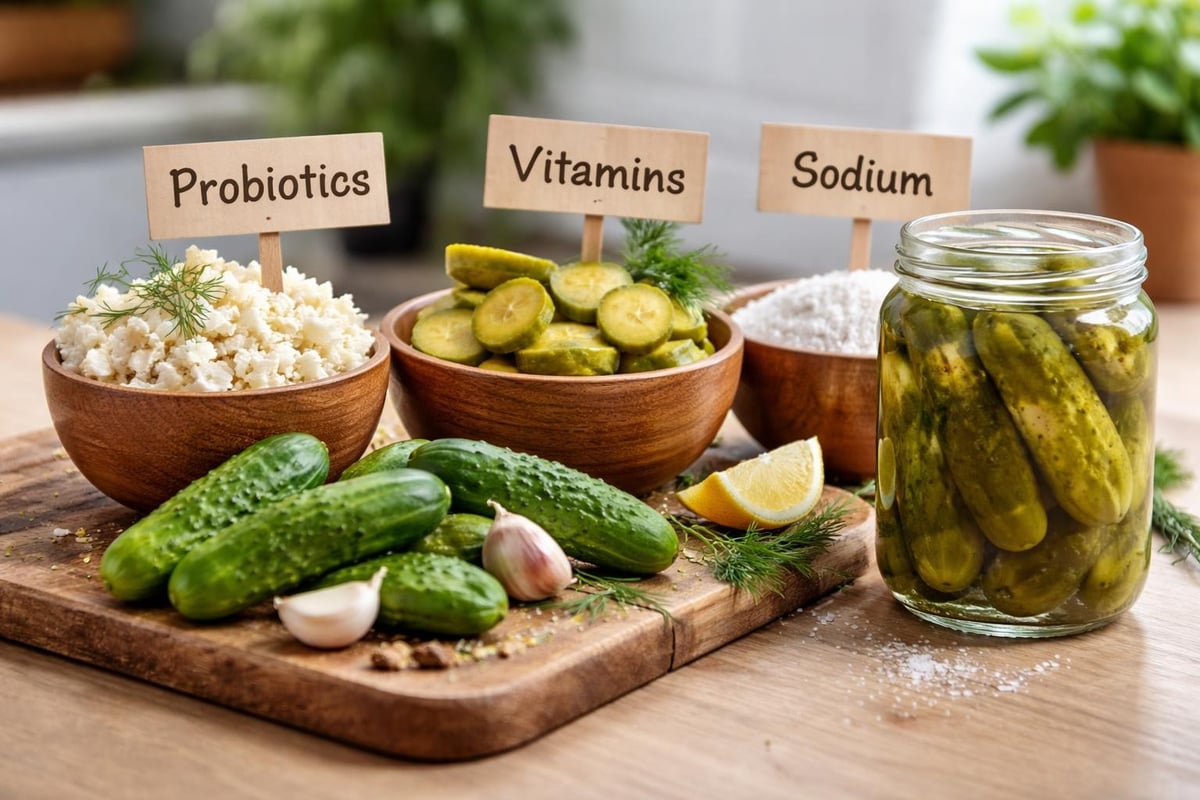
The fermentation process used in traditional gherkin production creates probiotics that support digestive health. These beneficial bacteria contribute to gut microbiome diversity, which plays a crucial role in overall wellness. Additionally, the vinegar content provides antioxidants that may offer protective health benefits.
Key nutritional components of gherkins:
- Low in calories, typically 5-10 calories per gherkin
- Source of vitamin K for bone health
- Contains antioxidants from the pickling process
- Provides hydration through high water content
- Delivers small amounts of minerals including potassium
BBC Good Food highlights that whilst gherkins offer these benefits, consumers should be mindful of sodium content, particularly in commercially produced varieties.
Understanding the Nutritional Profile
A detailed examination of gherkin nutrition reveals why these pickled vegetables can fit into a balanced diet. Comprehensive nutrition data shows that a 100-gram serving of gherkins typically contains minimal fat, modest carbohydrate levels, and negligible protein.
The vitamin and mineral content, whilst not extensive, includes beneficial nutrients. Vitamin A supports eye health, whilst vitamin K plays essential roles in blood clotting and bone metabolism. The antioxidant properties come primarily from the pickling spices and vinegar used in preservation.
For South Africans accustomed to including gherkins in their regular diet, understanding these nutritional aspects reinforces their value as a healthy condiment choice. The low-calorie nature makes them particularly suitable for those managing their weight whilst still enjoying flavourful food options.
Gherkins in South African Cooking
South African cuisine incorporates gherkins into numerous dishes, both traditional and contemporary. The versatility of these pickled cucumbers allows them to complement various flavour profiles across different meal occasions.
In traditional South African pickled fish recipes, finely sliced gherkins add texture and acidity to the spiced fish mixture. This Cape Malay-influenced dish represents one of the most iconic uses of gherkins in South African cooking, particularly during Easter celebrations.
Creative Culinary Applications
Modern South African cooks have expanded the traditional uses of gherkins, incorporating them into fusion dishes and contemporary recipes. Culinary experts note that gherkins work exceptionally well when diced into potato salads, chopped into devilled eggs, or used as garnishes for cocktails.
- Dice gherkins finely for tartar sauce accompaniments
- Slice thinly for sandwich layering with cheese and ham
- Chop coarsely for potato salad additions
- Pickle whole for traditional jar preservation
- Julienne for garnishing cold meat platters
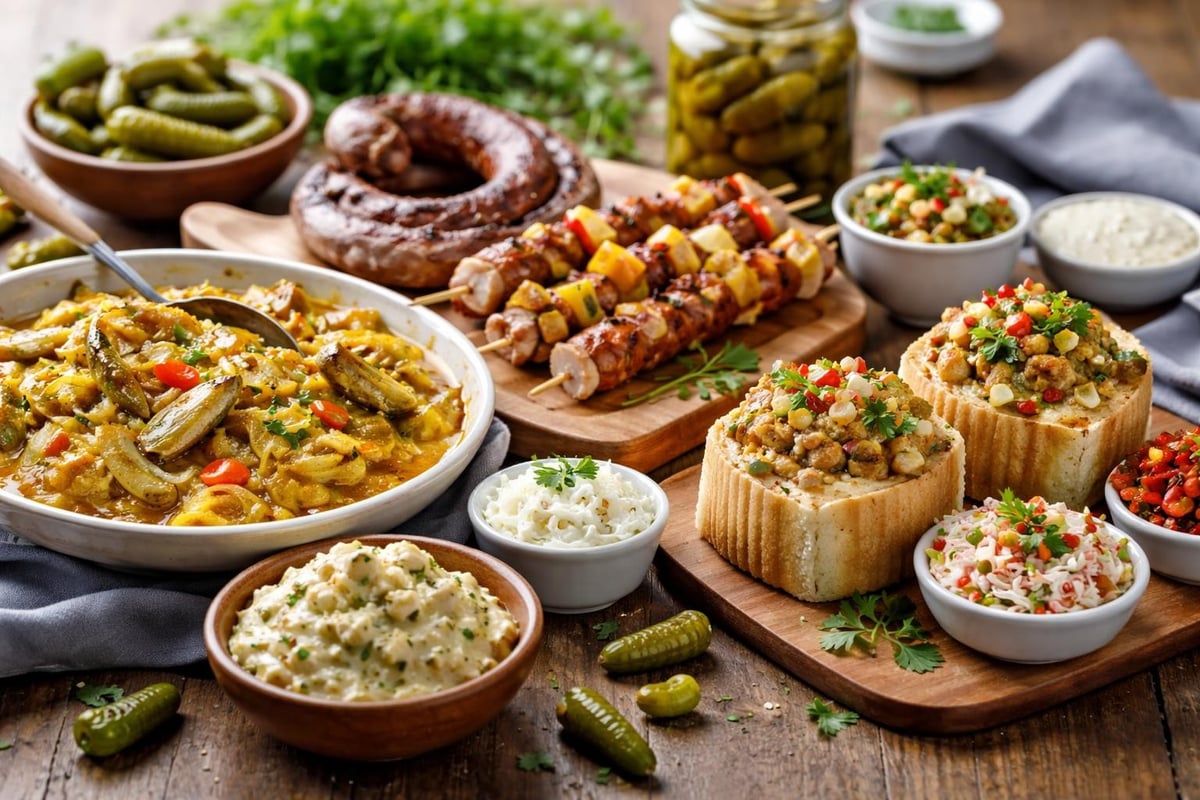
The acidic tang of gherkins cuts through rich flavours, making them ideal partners for fatty meats commonly featured in South African braais. When served alongside boerewors, lamb chops, or pork ribs, gherkins provide palate-cleansing contrast that enhances the overall dining experience.
Finding Authentic South African Gherkins in New Zealand
For South Africans living in New Zealand, sourcing authentic gherkins presents challenges that go beyond simple grocery shopping. The emotional connection to familiar brands and flavours drives the search for genuine South African products.
Something From Home addresses this need by stocking authentic South African gherkins alongside more than 2,500 other South African products. This Auckland-based warehouse understands the importance of providing expats with access to the exact brands they remember from home.
Advantages of purchasing from a South African food store:
- Authentic brands matching childhood memories
- Proper South African spice blends and recipes
- Reliable stock of popular varieties
- Understanding of expat food needs
- Competitive pricing on imported products
The difference between purchasing gherkins from a generic supermarket versus a specialised South African shop extends beyond brand recognition. It encompasses the entire shopping experience, from recognising familiar packaging to discovering complementary South African products that enhance meal preparation.
The Online Shopping Experience
Modern technology enables South Africans throughout New Zealand to access their favourite gherkins without travelling to Auckland. Online ordering systems allow customers from Wellington, Christchurch, Dunedin, and beyond to receive authentic South African groceries delivered directly to their homes.
This convenience factor particularly matters for those living in regions with limited access to international food stores. The ability to browse extensive product ranges, compare varieties, and order multiple items simultaneously streamlines the process of maintaining a South African pantry whilst living abroad.
Health Considerations When Enjoying Gherkins
Whilst gherkins offer nutritional benefits, health experts remind consumers to consider certain factors when incorporating them into regular diets. The sodium content in pickled products can be substantial, requiring moderation for those monitoring salt intake.
Individuals with hypertension or cardiovascular concerns should consult healthcare providers about appropriate consumption levels. However, for most people, enjoying gherkins as part of a balanced diet poses no significant health risks.
| Health Aspect | Benefit | Consideration |
|---|---|---|
| Probiotic Content | Supports gut health | Only in fermented varieties |
| Calorie Level | Low-calorie snack option | Minimal energy contribution |
| Sodium Content | Preserves food naturally | May be high for sensitive individuals |
| Antioxidants | Cellular protection | Benefits vary by brand |
Research on sweet gherkin varieties indicates that these versions may contain added sugars, which affects their nutritional profile differently than traditional dill or spiced varieties common in South African cuisine.
Balancing Enjoyment with Nutrition
South Africans accustomed to regular gherkin consumption can maintain this habit healthfully by choosing varieties lower in sodium when possible and balancing intake with fresh vegetables. The cultural and emotional benefits of enjoying familiar foods often outweigh minor nutritional concerns, particularly when consumed in reasonable quantities.
For children, educational resources explain that gherkins provide an accessible introduction to preserved foods, teaching about traditional food storage methods whilst delivering enjoyable flavours that encourage vegetable consumption.
Preserving Food Traditions Across Oceans
The journey of South African food products to New Zealand represents more than commercial trade. It embodies the preservation of cultural identity through familiar tastes and traditional ingredients that connect expats to their heritage.
Gherkins serve as tangible reminders of South African kitchens, family gatherings, and the distinctive food culture that defines the nation. When South Africans in New Zealand open a jar of authentic gherkins, they're not simply accessing a condiment but reconnecting with memories and maintaining traditions that might otherwise fade in a new country.
This cultural preservation extends to teaching younger generations about South African food heritage. Children born in New Zealand to South African parents learn about their ancestry partly through the foods they eat, with gherkins playing a small but significant role in this edible education.
Building Community Through Food
South African food stores in New Zealand function as community hubs where expats gather, share stories, and maintain cultural connections. These spaces provide more than retail services; they offer meeting points where shared food experiences create bonds between people far from their homeland.
The simple act of purchasing gherkins can spark conversations about favourite recipes, childhood memories, and recommendations for other authentic products. These interactions strengthen the South African community in New Zealand, creating networks of support and friendship based on common cultural touchstones.
Storing and Serving Gherkins Properly
Proper storage ensures gherkins maintain their characteristic crunch and flavour profile. Once opened, jars should be refrigerated and kept submerged in their brine to prevent deterioration. This preservation liquid contains the spices and acids that continue protecting the gherkins from spoilage.
Essential storage tips:
- Keep jars tightly sealed when not in use
- Always use clean utensils when removing gherkins
- Ensure brine covers all gherkins completely
- Refrigerate after opening
- Consume within recommended timeframes
Serving gherkins at the proper temperature enhances their flavour and texture. Cold gherkins straight from the refrigerator offer maximum crunch and refreshing taste, making them ideal for summer braais or as palate cleansers during rich meals.
Presentation Suggestions
Traditional South African presentation styles include slicing gherkins lengthwise for sandwich fillings or cutting them into coins for potato salads. Whole small gherkins work beautifully on cheese platters, whilst julienned varieties add visual interest to cold meat displays.
For authentically South African gatherings, serving gherkins alongside Mrs Ball's chutney, biltong, and droëwors creates a tasting experience that immediately transports participants to South African dining rooms. These combinations work particularly well when introducing New Zealand friends to South African food culture.
The Economic Value of South African Food Imports
The demand for authentic South African products in New Zealand supports a growing import industry that benefits both countries. South African manufacturers gain access to international markets, whilst New Zealand retailers meet the needs of an established expat community seeking familiar products.
Gherkins represent one component of this larger trade relationship, contributing to the diverse range of South African groceries available in New Zealand. From rusks to biltong, chutney to spices, the collective demand for these products sustains businesses like Something From Home that specialise in South African imports.
This economic activity extends beyond simple commerce. It creates employment opportunities in warehousing, distribution, and retail whilst providing South Africans in New Zealand with reliable access to products that enhance their quality of life.
Supporting Sustainable Food Systems
Importing gherkins and other preserved foods aligns with sustainable consumption patterns by utilising preservation methods that extend shelf life and reduce food waste. The traditional pickling process requires minimal energy compared to frozen foods, contributing to more environmentally conscious food distribution systems.
South African manufacturers often employ traditional production methods that prioritise quality over mass production, resulting in products that deliver superior taste and texture. This commitment to craftsmanship resonates with consumers who value authenticity and traditional food preparation techniques.
Gherkins as Gateway Products
For New Zealanders unfamiliar with South African cuisine, gherkins serve as accessible entry points to broader culinary exploration. Their familiar form as pickled cucumbers reduces intimidation whilst the distinctive South African flavour profiles introduce new taste experiences.
Many New Zealanders who initially try gherkins out of curiosity find themselves exploring other South African products, gradually developing appreciation for the cuisine's diversity and complexity. This gateway effect benefits South African food stores by expanding their customer base beyond the expat community.
Sharing South African gherkins with Kiwi friends, neighbours, and colleagues becomes an act of cultural exchange that promotes understanding and appreciation. These small moments of food sharing build bridges between communities, fostering multicultural connections through shared culinary experiences.
Gherkins exemplify how simple preserved vegetables carry profound cultural significance for South Africans living in New Zealand, providing comfort through familiar flavours whilst offering nutritional benefits and culinary versatility. Whether you're seeking authentic South African gherkins to recreate childhood favourites or introducing Kiwi friends to traditional South African flavours, finding quality products matters. Visit Something From Home to explore their extensive range of South African groceries, including the gherkins and complementary products that bring authentic South African taste to New Zealand kitchens.