Baby Food: A South African Guide for Parents in NZ
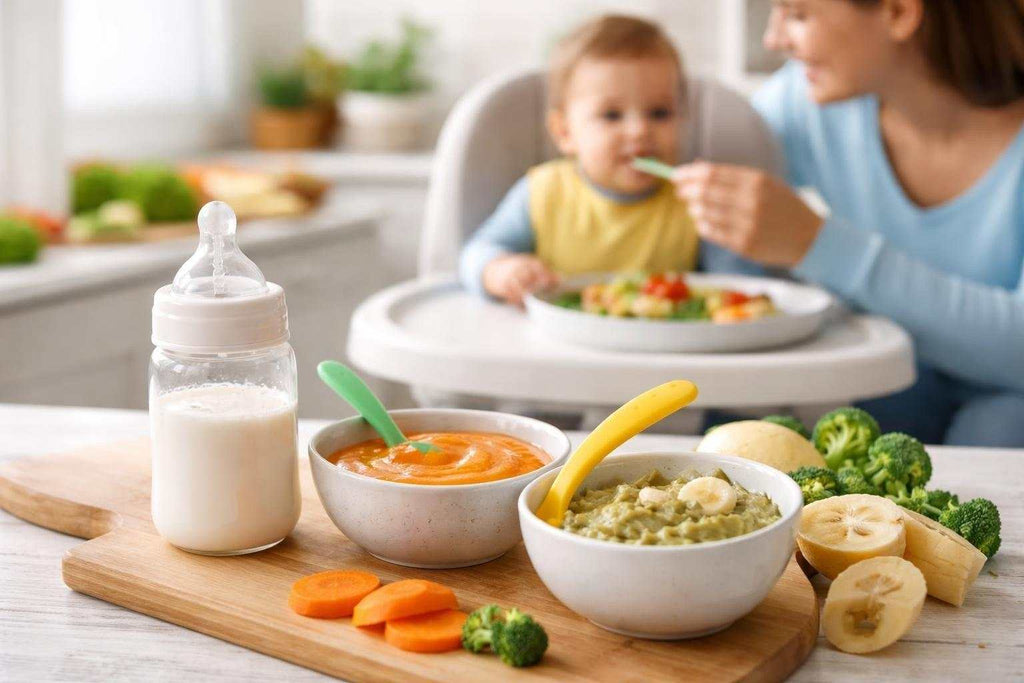
Introducing your baby to solid foods marks a significant milestone in their development and your parenting journey. For South African families living in New Zealand, this transition often involves balancing modern nutritional guidelines with cherished food traditions from home. Understanding when to introduce baby food, what options are available, and how to incorporate familiar South African flavours can help create a positive feeding experience that nourishes both body and cultural identity.
Understanding Baby Food Nutrition and Timing
When to introduce solid foods has been extensively researched by health organisations worldwide. Most paediatric experts recommend starting around six months of age when babies show clear signs of readiness.
Signs Your Baby Is Ready for Solid Foods
Before rushing to prepare that first meal, observe your baby for these developmental indicators:
- Head control: Your baby can sit upright with minimal support and hold their head steady
- Interest in food: They watch others eat and reach for food on the table
- Loss of tongue-thrust reflex: They no longer automatically push food out with their tongue
- Increased appetite: Breast milk or formula alone no longer seems to satisfy them
The World Health Organization recommends that complementary feeding begin at approximately six months because breast milk or formula can no longer meet all nutritional requirements alone.
Starting too early can increase choking risks and digestive issues. Starting too late may result in nutritional deficiencies and feeding difficulties.
Types of Baby Food and Preparation Methods
Modern parents have numerous options when selecting baby food, from commercial preparations to homemade varieties. Each approach offers distinct advantages depending on your lifestyle, budget, and preferences.
Commercial Baby Food Options
| Type | Advantages | Considerations |
|---|---|---|
| Jarred purees | Convenient, consistent texture, long shelf life | May contain added ingredients, less texture variety |
| Pouches | Portable, easy to feed on-the-go, resealable | Can be expensive, may encourage prolonged spoon-feeding avoidance |
| Dry cereals | Iron-fortified, adjustable consistency | Requires mixing, limited flavour variety |
| Freeze-dried options | Nutritious, lightweight, natural ingredients | Higher cost, requires rehydration |
Something From Home stocks various products suitable for family meals that can be adapted for babies, including natural fruit juices like Ceres Apple which can be diluted for older babies.
Homemade Baby Food Benefits
Preparing baby food at home allows complete control over ingredients and introduces babies to family flavours from the start. South African parents often appreciate creating familiar tastes using traditional ingredients.
Simple preparation methods include:
- Steaming vegetables until soft, then pureeing with breast milk or formula
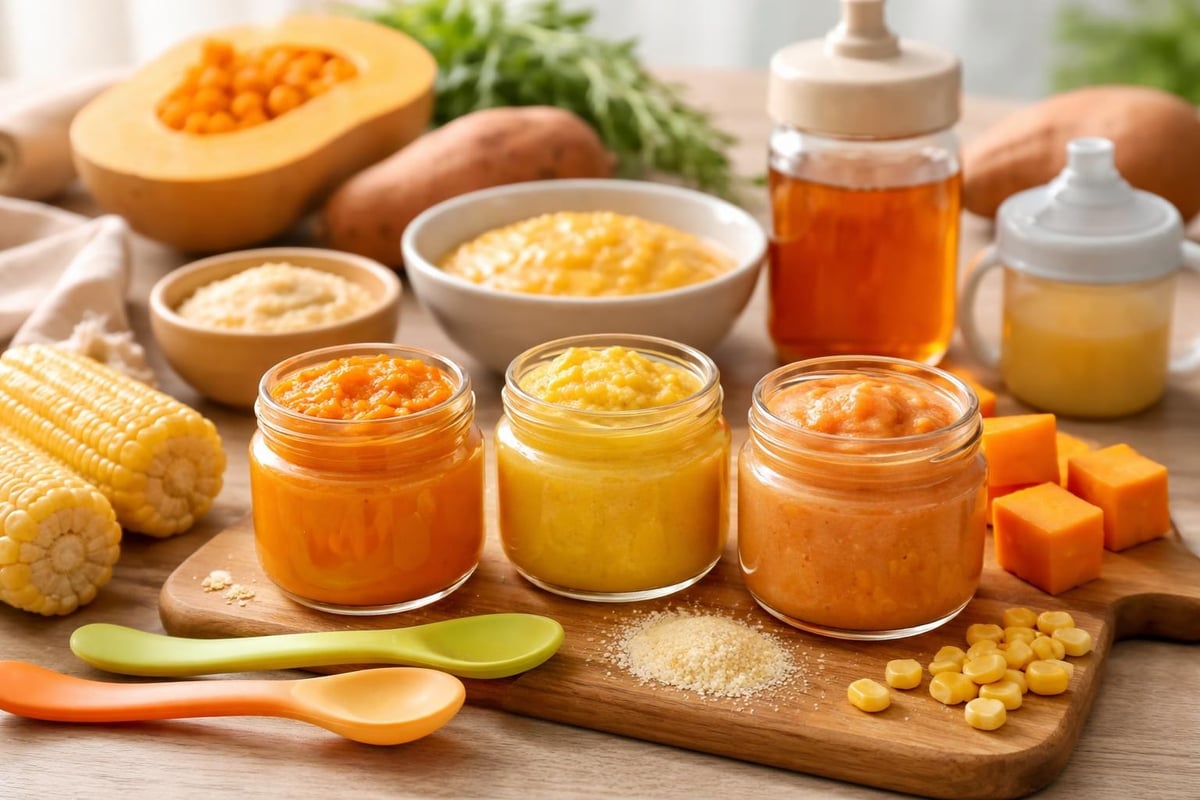
- Roasting sweet potato or butternut for natural sweetness and smooth texture
- Cooking porridge with oats or maize meal, thinned to appropriate consistency
- Mashing ripe fruits like banana, avocado, or pawpaw for quick meals
Introducing South African Flavours to Baby Food
South African cuisine offers rich, nutritious options perfect for introducing babies to solid foods. Many traditional ingredients align perfectly with nutritional recommendations while providing comforting, familiar tastes.
Traditional South African Ingredients for Babies
Pap and maize-based foods form a staple in South African households. Fine maize meal can be cooked into a smooth porridge, ideal for babies beginning solids. As they develop, texture can gradually increase to match their chewing abilities.
Butternut and sweet potato feature prominently in South African cooking and make excellent first foods. Their natural sweetness appeals to babies whilst providing vitamin A, fibre, and other essential nutrients.
Rooibos tea offers a caffeine-free alternative for mixing cereals or thinning purees. Many South African parents introduce this gentle, antioxidant-rich beverage diluted for babies over six months.
Adapting Family Meals for Baby Portions
Rather than preparing separate meals, many parents adopt a baby-led weaning approach or simply modify family dishes. South African favourites can be adapted:
- Bobotie: Remove spices and sugar, offer minced meat with sweet potato mash
- Bredie: Puree vegetables and tender meat from mild stews
- Sosaties: Offer plain grilled meat cut into appropriate sizes
- Samp and beans: Ensure thorough cooking and mash to suitable consistency
For South African families in New Zealand, maintaining these food connections helps children develop appreciation for their heritage whilst meeting all nutritional requirements.
Nutritional Requirements and Feeding Schedules
Understanding how much and how often to feed your baby ensures they receive adequate nutrition whilst developing healthy eating patterns. Feeding patterns vary significantly as babies grow from six months to toddlerhood.
First Foods and Progression Timeline
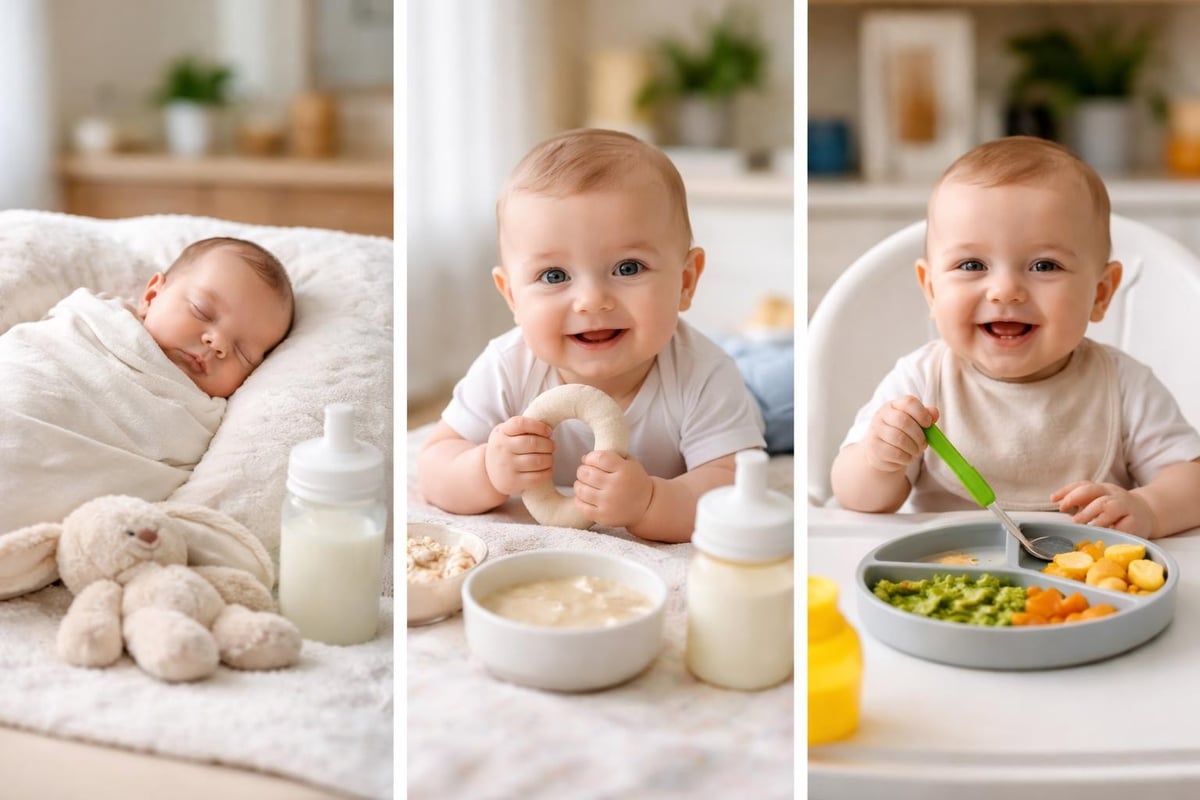
6-8 months: Start with single-ingredient purees, offering 1-2 tablespoons once or twice daily. Breast milk or formula remains the primary nutrition source.
8-10 months: Increase to 2-4 tablespoons, three times daily. Introduce soft finger foods and thicker textures. Combine ingredients to create more complex flavours.
10-12 months: Offer 4-6 tablespoons, three meals plus 1-2 snacks. Most babies can handle soft chunks and participate in family meals with modifications.
12+ months: Transition to three meals and two snacks with portions gradually increasing. Whole cow's milk can replace formula if desired.
Essential Nutrients in Baby Food
Iron becomes crucial after six months when babies' iron stores from birth begin depleting. Include iron-rich foods like:
- Pureed meat and poultry
- Iron-fortified cereals
- Lentils and beans (well-cooked and mashed)
- Dark leafy greens pureed with vitamin C sources
Healthy fats support brain development. Avocado, nut butters (smooth, never chunky), and oils provide concentrated energy for growing babies.
Protein requirements increase as babies grow. Offer eggs, yoghurt, cheese, meat, poultry, fish, and legumes in age-appropriate preparations.
Foods to Avoid and Safety Considerations
While introducing diverse flavours remains important, certain foods pose risks for babies and should be avoided or delayed. The CDC provides comprehensive guidance on foods to limit or avoid.
High-Risk Foods for Babies Under 12 Months
Honey must never be given to babies under one year due to botulism risk. This includes honey in baked goods, cereals, or as a sweetener.
Added salt and sugar should be minimised in baby food. Babies' kidneys cannot process excess sodium, and sugar contributes to tooth decay and poor eating habits.
Whole nuts and large chunks present choking hazards. Nut butters can be offered from six months if no family history of allergies exists, but whole or chopped nuts must wait until after age five.
Unpasteurised dairy products may contain harmful bacteria. Always choose pasteurised milk, cheese, and yoghurt for babies.
Choking Hazards and Food Preparation
| Food Type | Risk | Safe Alternative |
|---|---|---|
| Whole grapes | Choking hazard | Quarter lengthwise |
| Raw vegetables | Too hard to chew | Steam until very soft |
| Popcorn | Choking hazard | Avoid until age 4+ |
| Hard biscuits | Choking risk | Offer soft rusks that dissolve |
| Sausages | Choking hazard | Remove casings, chop finely |
South African parents accustomed to certain snacks should note that items like traditional biltong should wait until children can safely chew tough textures, typically after age three with close supervision.
Managing Allergies and Food Sensitivities
Modern guidelines encourage early introduction of potential allergens to reduce allergy development. Recent research suggests introducing common allergens between 6-12 months may help prevent allergies.
Common Allergens to Introduce Carefully
Introduce these foods one at a time, waiting 3-5 days between new allergens to identify reactions:
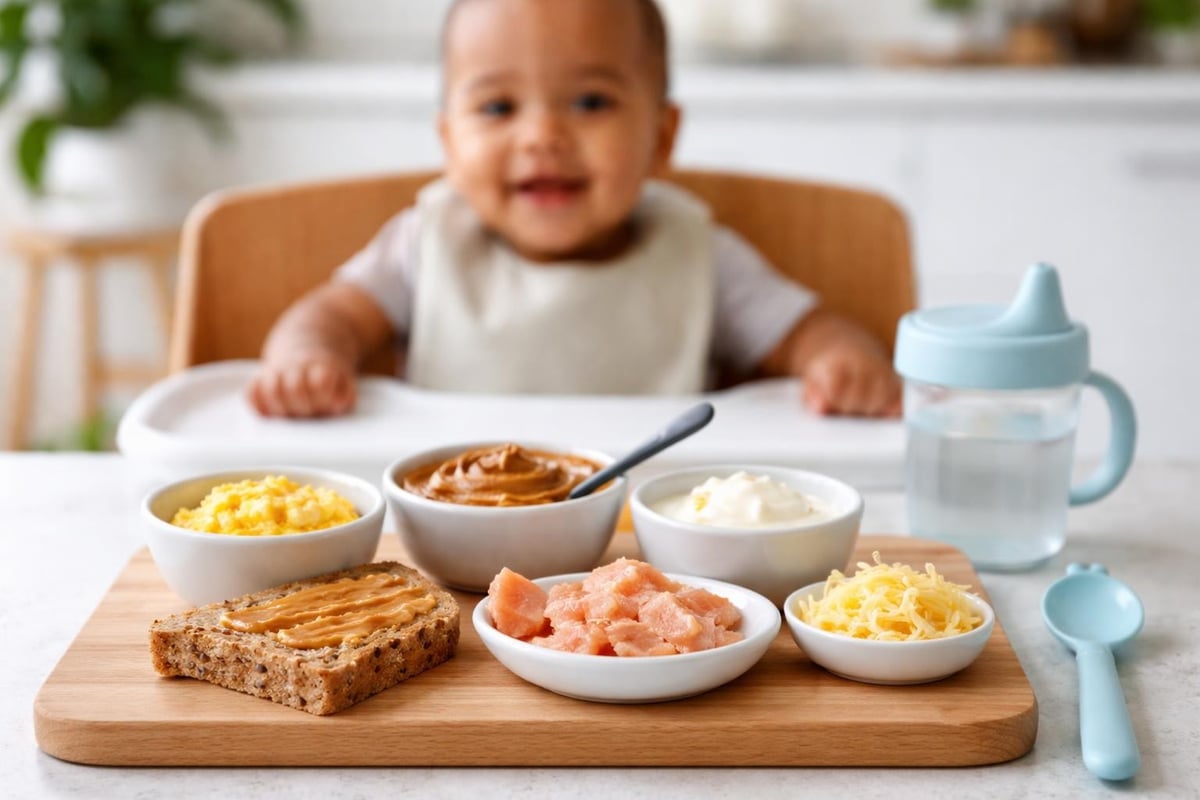
- Peanuts: Smooth peanut butter thinned with breast milk or water
- Eggs: Start with well-cooked scrambled eggs
- Dairy: Yoghurt and cheese before whole milk
- Fish: Well-cooked, flaked fish with bones removed
- Wheat: Bread, pasta, or cereals containing wheat
- Soy: Tofu or soy-based products
- Tree nuts: Smooth nut butters, never whole nuts
- Sesame: Tahini or sesame-containing foods
Watch for reactions including rash, vomiting, diarrhoea, or breathing difficulties. Severe reactions require immediate medical attention.
South African Products Suitable for Babies and Toddlers
For South African families in New Zealand missing familiar tastes, certain traditional products can be incorporated into baby and toddler diets appropriately. Something From Home, a specialist South African food store in New Zealand, stocks more than 2,500 products that help families maintain food connections with home.
Family Products Adaptable for Young Children
Ceres fruit juices provide natural fruit flavours without artificial additives. Ceres Guava Delight can be heavily diluted for toddlers over 12 months, though water and milk should remain primary beverages.
Ouma rusks are beloved by South African families but should be offered cautiously. Traditional rusks can be hard, so supervise closely and consider softer alternatives for younger babies.
Mrs Ball's Chutney and similar condiments contain high sugar and salt levels unsuitable for babies. Reserve these flavours for family meals after age two, offering them sparingly.
Maintaining Cultural Food Identity
Living abroad, many South African parents value sharing their food heritage with children. This connection provides:
- Cultural continuity: Children understand their family background through familiar flavours
- Extended family bonding: Shared food experiences during visits or video calls
- Diverse palate development: Exposure to unique flavour combinations and ingredients
- Family tradition preservation: Passing down recipes and food customs
Balance these cultural foods with evidence-based infant nutrition guidelines to ensure babies receive optimal nutrition whilst developing appreciation for their heritage.
Practical Feeding Tips for Busy Parents
Managing baby feeding alongside work, household responsibilities, and potentially caring for older children requires organisation and flexibility. These strategies help streamline the process.
Batch Cooking and Storage Solutions
Prepare large quantities of baby food when time permits:
- Cook vegetables or fruits in batches, puree, and freeze in ice cube trays
- Transfer frozen cubes to labelled freezer bags noting contents and date
- Defrost only what you need for each meal in the refrigerator overnight
- Use frozen portions within 3 months for best quality
Most baby foods freeze excellently except those with high water content like melon or cucumber.
Time-Saving Feeding Strategies
- Share family meals: Prepare one meal and adapt portions for baby before adding salt or spices
- Keep it simple: Babies don't need elaborate meals; plain steamed vegetables with protein suffice
- Use convenient appliances: Steam-blend machines, slow cookers, or instant pots simplify preparation
- Accept store-bought options: Commercial baby food provides nutritious backup for busy days
South African parents can explore recipes on Something From Home's blog for family meal inspiration that can be adapted for babies.
Transitioning to Table Foods and Family Meals
Between 12-18 months, most children transition fully to family foods with appropriate modifications. This period requires patience as toddlers assert independence and develop preferences.
Encouraging Self-Feeding Skills
Allow babies to participate in feeding from the start:
- Offer safe finger foods alongside purees from eight months
- Provide child-safe utensils and let them practice, even if messy
- Model eating behaviours during family meals
- Respond positively to self-feeding attempts, even when inefficient
Mess indicates learning. Spread mats under high chairs and dress babies in easy-clean clothing during meals.
Handling Picky Eating Phases
Most toddlers experience selective eating periods. These strategies help:
- Continue offering rejected foods without pressure
- Pair new foods with accepted favourites
- Involve toddlers in age-appropriate food preparation
- Maintain consistent meal and snack times
- Limit milk intake that may reduce appetite for solids
Remember that taste preferences develop over time. Children may need 10-15 exposures before accepting new foods.
Shopping for Baby Food in New Zealand as a South African Family
Finding familiar products whilst adapting to New Zealand's food landscape presents unique challenges for South African families. Fortunately, options exist for maintaining cultural food connections whilst accessing local fresh produce.
Accessing South African Products Online
Shopping online provides convenience for busy parents managing feeding schedules and other responsibilities. Something From Home operates as a comprehensive South African shop in New Zealand, offering delivery of familiar grocery items that might otherwise be unavailable.
While babies require primarily fresh, minimally processed foods, having access to traditional family products helps parents create the comforting meals they grew up with. As children grow, they can gradually be introduced to appropriate South African snacks and treats that form part of their cultural heritage.
Combining Local and Imported Options
New Zealand offers excellent fresh produce, dairy, and meat suitable for baby food preparation. Combine these with select South African products for the best of both worlds:
- Use New Zealand seasonal vegetables and fruits as baby food base ingredients
- Incorporate South African spices and flavourings (appropriately modified) into family meals
- Choose local proteins and grains for everyday meals
- Reserve special South African treats for celebrations and cultural occasions
This balanced approach ensures babies receive optimal nutrition whilst maintaining connection to South African food culture.
Introducing baby food represents an exciting journey filled with discovery, mess, and memorable milestones. By combining evidence-based nutritional guidelines with cherished South African food traditions, you can provide your baby with both optimal health and cultural connection. Whether you're preparing homemade purees or seeking familiar products from home, Something From Home supports South African families in New Zealand with an extensive range of authentic products that help maintain those important food connections across generations.