Jawbreakers: The Iconic Hard Candy With Lasting Appeal
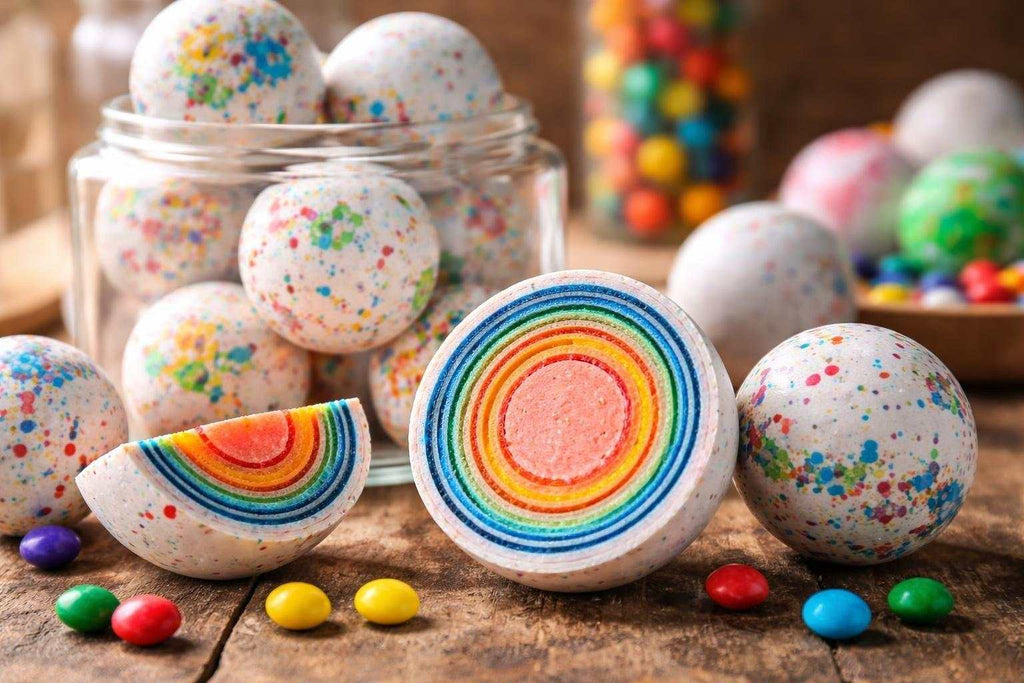
Jawbreakers represent one of the most enduring and recognisable confections in candy history. These spherical hard candies, known for their multiple coloured layers and remarkable longevity, have captivated sweet lovers across generations. While they're enjoyed worldwide, jawbreakers hold a special place in the hearts of many South Africans, particularly those now living in New Zealand who seek familiar tastes from home. Understanding the history, production, and cultural significance of these sweets reveals why they've remained popular for over a century and continue to be a sought-after treat among expat communities.
The Fascinating History Behind Jawbreakers
The origin story of jawbreakers traces back to the late 19th century when confectioners first developed techniques for creating layered hard candies. According to candy historians, these sweets emerged during a period of significant innovation in candy manufacturing. The name "jawbreaker" itself comes from the candy's extraordinary hardness, which requires patience and persistence to consume properly.

The candy gained substantial cultural recognition through its association with Roald Dahl's "Willy Wonka and the Chocolate Factory," where the fictional Everlasting Gobstopper captured imaginations worldwide. This connection to popular culture helped cement jawbreakers as more than just a sweet treat but as a symbol of childhood wonder and nostalgia.
Global Spread and Regional Variations
Different countries developed their own relationships with these hard candies. In South Africa, jawbreakers became a staple of tuck shops and corner cafés, where children would spend their pocket money on these affordable, long-lasting treats. The appeal was simple: maximum enjoyment for minimal cost, with a single jawbreaker providing hours of flavour.
South African manufacturers often created unique flavour combinations that reflected local preferences, incorporating fruity tastes that resonated with the region's palate. This cultural adaptation made jawbreakers distinctly South African in many ways, even though the basic concept remained universal.
How Jawbreakers Are Manufactured
The production process of jawbreakers stands as a testament to confectionery engineering. Modern manufacturing involves a fascinating technique called panning, where sugar syrup is repeatedly applied to a core in rotating drums.
The Panning Process Explained
- Initial Core Creation: Small sugar crystals or candy pieces serve as the foundation
- Layer Application: Hot sugar syrup is sprayed onto rotating cores
- Cooling and Hardening: Each layer must cool completely before the next application
- Colouring and Flavouring: Different colours and flavours are added to create distinct layers
- Final Polishing: The finished candies receive a glossy coating
This intricate manufacturing method can take up to 14 days for larger jawbreakers, with smaller versions requiring several days of constant rotation and layer building. The precision required ensures each candy achieves the proper hardness and layer definition that makes jawbreakers so distinctive.
| Jawbreaker Size | Diameter | Production Time | Layer Count |
|---|---|---|---|
| Small | 1-2 cm | 3-5 days | 50-100 |
| Medium | 2-4 cm | 7-10 days | 100-200 |
| Large | 4-8 cm | 14-21 days | 200-400 |
The temperature control during production must remain precise, as variations can cause cracking or uneven layering. Professional candy makers monitor humidity levels and rotation speeds to achieve consistent results.
Varieties and Flavours Available Today
Modern jawbreakers come in an impressive array of sizes, colours, and flavour combinations. Manufacturers offer everything from miniature versions perfect for quick enjoyment to massive specimens that can last for months.
Popular Flavour Categories Include:
- Traditional fruit flavours (cherry, grape, apple, lemon)
- Sour varieties with citric acid coating
- Tropical combinations (pineapple, mango, passionfruit)
- Mixed berry assortments
- Novelty flavours with changing tastes through layers
South African candy culture embraced particularly vibrant fruit flavours, with preferences leaning towards bold, sweet profiles. Many South Africans living in New Zealand specifically seek out these familiar taste experiences, which can trigger powerful memories of childhood and home.
Specialty and Novelty Options
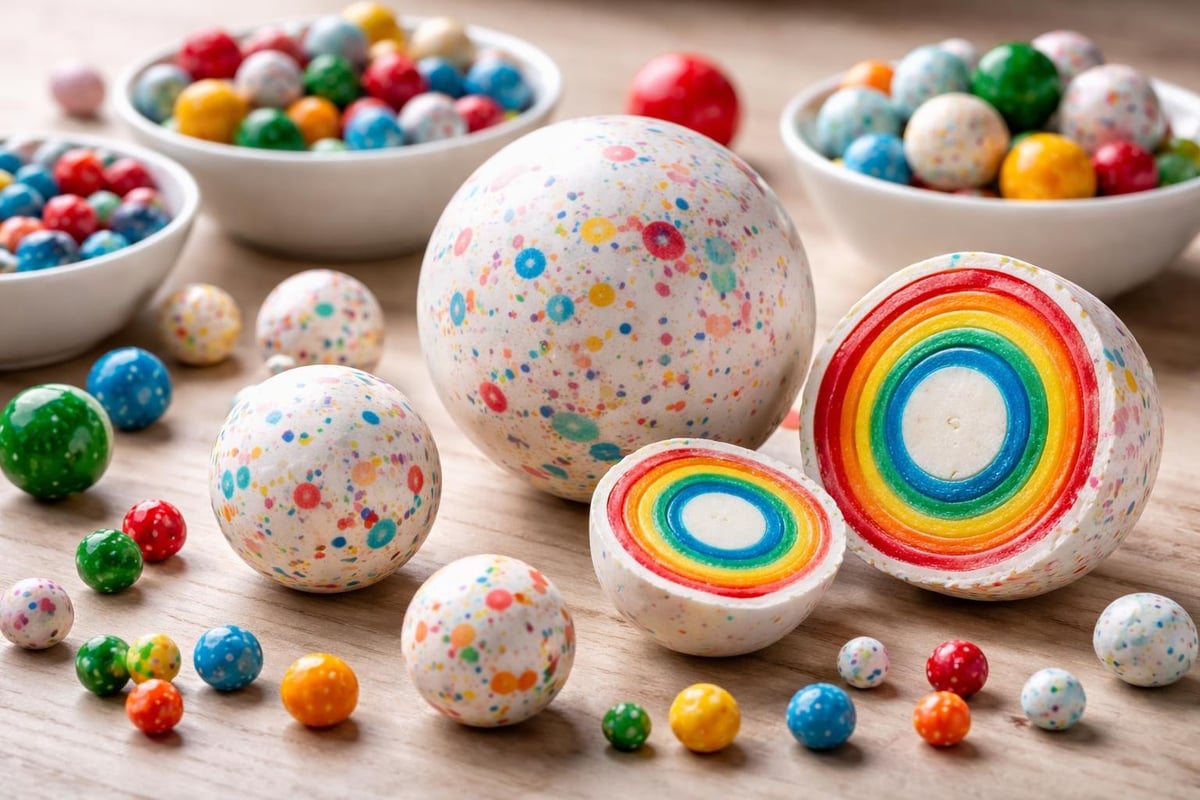
Some manufacturers create jawbreakers with surprise centres, including bubble gum cores or super-sour middles. These innovations keep the category fresh and exciting for new generations while maintaining the traditional appeal that made these candies famous.
The largest commercially available jawbreakers can weigh over 300 grams and contain hundreds of individual layers. These novelty sizes serve as conversation pieces and ultimate tests of patience for dedicated candy enthusiasts.
Health Considerations and Dental Impact
While jawbreakers provide enjoyment, consumers should understand their potential effects on dental health. Research has shown that the high sugar content and extended exposure to teeth can contribute to enamel erosion and cavity formation.
Key Health Factors to Consider:
- Sugar Exposure Duration: Extended sucking increases acid production in the mouth
- Hardness Risk: Biting into jawbreakers can crack teeth or damage dental work
- pH Levels: The candy significantly lowers salivary pH, creating an erosive environment
- Frequency of Consumption: Regular intake poses greater risks than occasional enjoyment
Dental professionals recommend specific practices when consuming these sweets. Rinsing with water after enjoying jawbreakers helps neutralise mouth acidity. Avoiding the temptation to bite down on these extremely hard candies prevents potential dental emergencies.
Parents often appreciate jawbreakers for their longevity, as one sweet can last significantly longer than softer alternatives. However, moderation remains essential, and teaching children proper consumption methods protects their developing teeth.
Jawbreakers in South African Snack Culture
Within South African food culture, jawbreakers occupied a unique position among traditional sweets. They appeared alongside other beloved treats in school tuck shops, corner cafés, and family-owned spaza shops throughout the country. The affordable price point made them accessible to children across different economic backgrounds.
Nostalgic Connection for Expats
For South Africans now residing in New Zealand, finding authentic jawbreakers can evoke powerful connections to home. These sweets represent more than just candy; they're tangible links to childhood memories, school days, and simpler times. The distinctive flavours and textures trigger sensory memories that transport people back to their South African roots.
Many expats search specifically for South African groceries that include traditional sweets and snacks. While jawbreakers themselves are internationally available, the specific brands and flavour profiles familiar from South African childhoods create particular demand.
The expat community in New Zealand often shares recommendations for where to find authentic South African products. A South African food store becomes more than just a retail outlet; it serves as a cultural touchpoint and community gathering place where shared memories and experiences around food create bonds.
Modern Production and Quality Standards
Contemporary jawbreaker manufacturing has evolved significantly from its 19th-century origins. Today's producers utilise advanced machinery and quality control systems while maintaining traditional production methods that give these candies their characteristic properties.
Temperature-controlled environments ensure consistent results across production batches. Automated systems monitor rotation speeds, syrup application rates, and layer thickness to achieve uniformity. Despite technological advances, the fundamental process remains time-intensive and requires skilled oversight.
Quality Control Measures Include:
- Regular testing for hardness and durability
- Visual inspection for layer consistency
- Flavour testing across production runs
- Size and weight verification
- Packaging integrity checks
Manufacturers also respond to changing consumer preferences by developing new flavour combinations and adapting recipes to meet dietary requirements. Some companies now produce sugar-free alternatives using sweeteners like xylitol or stevia, though these versions require modified production techniques.
Cultural Significance Across Generations
The enduring appeal of jawbreakers spans multiple generations, with grandparents, parents, and children all recognising and enjoying these distinctive sweets. This multi-generational familiarity creates opportunities for shared experiences and storytelling around food.
In South African households, sweets like jawbreakers often featured in special occasions, rewards for good behaviour, or weekend treats. These traditions travelled with families who relocated to New Zealand, where maintaining food-based customs helps preserve cultural identity.

Celebrating with Traditional Sweets
Food serves as a powerful cultural connector, and for South African families in New Zealand, accessing familiar treats helps children understand their heritage. Sharing a jawbreaker becomes an opportunity to tell stories about growing up in South Africa, explaining traditions, and creating continuity between past and present.
The simple act of enjoying these sweets together bridges geographical distances and generational gaps. Parents introduce their New Zealand-born children to flavours and experiences from their own childhoods, creating hybrid cultural identities that honour both their South African roots and Kiwi present.
Finding Authentic Products in New Zealand
South Africans living in New Zealand face unique challenges in accessing familiar food products. While major supermarkets stock international items, finding specifically South African brands and flavours requires specialised retailers who understand the expat market.
The demand for authentic South African products has grown alongside New Zealand's expanding South African community. Retailers who stock traditional sweets, snacks, and grocery items serve an important role in helping expats maintain connections to their cultural food heritage.
Something From Home operates as a dedicated South African shop in New Zealand, stocking more than 2,500 South African products that cater specifically to this community. Their extensive range includes traditional sweets, savoury snacks, cooking ingredients, and beverages that remind South Africans of home.
Benefits of Specialist South African Retailers:
- Authentic brands from trusted South African manufacturers
- Products that match childhood and cultural memories
- Regular stock updates with seasonal and limited items
- Understanding of specific flavour preferences
- Community connection with fellow South Africans
Online shopping has revolutionised access to South African food in New Zealand. Rather than relying solely on care packages from home or occasional finds in generic international food sections, expats can now order comprehensive selections of familiar products delivered directly to their doors.
The Economics of Nostalgia Products
The market for nostalgia-driven food products represents significant economic value. Expat communities worldwide demonstrate willingness to pay premium prices for authentic products from their home countries, viewing these purchases as investments in cultural maintenance and emotional wellbeing.
Research into consumer behaviour shows that nostalgia products provide psychological benefits beyond simple taste preferences. They reduce homesickness, strengthen cultural identity, and create comfort during periods of adjustment to new environments. For South African families navigating life in New Zealand, access to familiar foods smooths the transition and provides anchors to their heritage.
| Consumer Motivation | Percentage | Primary Driver |
|---|---|---|
| Nostalgia/Memory | 45% | Emotional connection |
| Authentic Taste | 30% | Flavour preference |
| Cultural Identity | 15% | Heritage maintenance |
| Gift Giving | 10% | Sharing culture |
Retailers specialising in South African products understand these motivations and curate selections that address both practical needs and emotional desires. The success of specialist shops demonstrates sustained demand for authentic products among diaspora communities.
Storage and Enjoyment Tips
Proper storage extends the shelf life of jawbreakers and maintains their quality. These hard candies prove remarkably durable when kept in appropriate conditions, making them excellent options for stocking up during shopping trips to South African food stores.
Optimal Storage Conditions:
- Cool, dry environment away from direct sunlight
- Sealed containers to prevent moisture absorption
- Separation from strong-smelling foods that might affect flavour
- Temperature range between 15-21°C for best results
Moisture represents the primary threat to jawbreaker quality. Exposure to humidity can cause surface stickiness and eventual degradation of the hard outer shell. In New Zealand's varied climate, proper storage becomes particularly important for maintaining candy integrity.
For maximum enjoyment, consume jawbreakers slowly, allowing the layers to dissolve naturally. Resist the temptation to bite, which risks dental damage and reduces the prolonged pleasure these sweets are designed to provide. Rotating the candy in your mouth ensures even dissolution and allows you to experience each colour and flavour layer distinctly.
Building Community Through Food
Food creates community, and for South Africans in New Zealand, sharing traditional treats strengthens bonds between expats. Social gatherings often feature familiar snacks and sweets, creating comfortable spaces where cultural identity can be celebrated and maintained.
Children growing up in New Zealand with South African parents benefit from exposure to both cultures through food. Introducing them to treats like jawbreakers, along with other traditional South African snacks, helps them understand their heritage while fully participating in Kiwi life.
The growth of South African food retailers in New Zealand reflects both demographic trends and the importance communities place on maintaining cultural food traditions. These shops serve as more than commercial enterprises; they function as cultural institutions that preserve and promote South African culinary heritage.
Jawbreakers remain beloved confections that combine nostalgia, flavour, and remarkable engineering in every layered sphere. For South Africans living in New Zealand, these sweets represent connections to childhood memories and cultural identity that transcend simple candy preferences. Whether you're seeking familiar treats from your South African childhood or introducing the next generation to traditional sweets, accessing authentic products helps maintain those important cultural connections. Explore the extensive range of South African snacks and groceries at Something From Home, where over 2,500 products bring the tastes of home right to your door in New Zealand.