Safari Biltong: The Wild Game Delicacy from South Africa
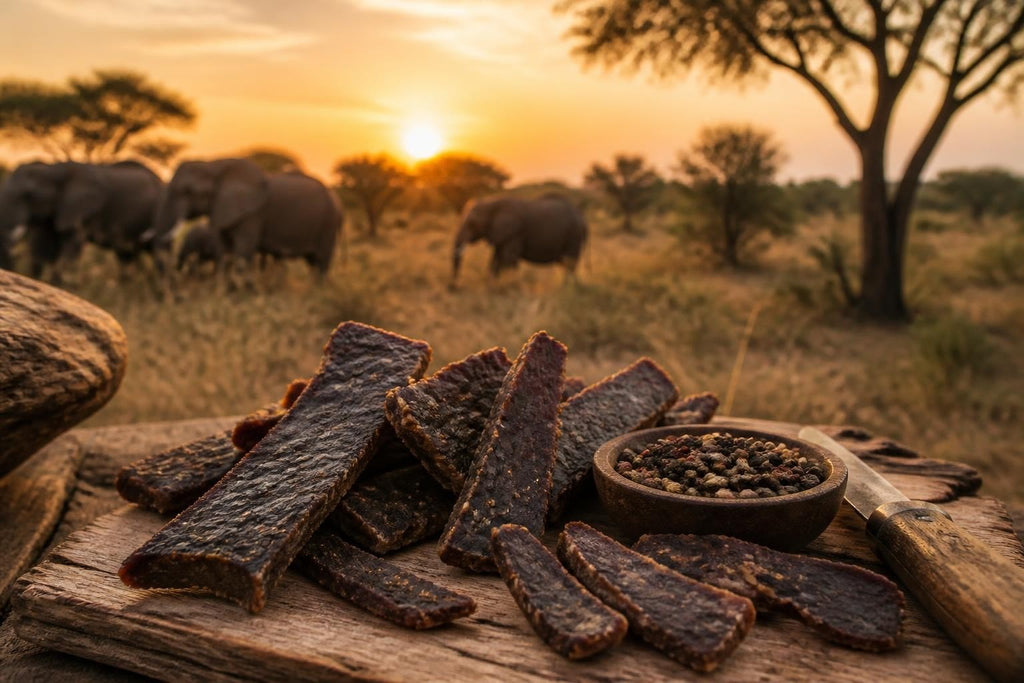
Safari biltong represents one of South Africa's most distinctive culinary traditions, transforming wild game into a protein-rich delicacy through centuries-old preservation techniques. Unlike conventional biltong made from beef, safari biltong celebrates the country's rich wildlife heritage by using meat from sustainably harvested game animals such as kudu, springbok, gemsbok, and impala. For South Africans living in New Zealand, this artisan snack evokes memories of the bushveld and represents a unique taste of home that connects them to their cultural roots. The growing appreciation for sustainable, high-protein foods has elevated safari biltong from a traditional snack to a gourmet product sought after by food enthusiasts worldwide.
The Heritage and Cultural Significance of Safari Biltong
The practice of making biltong from wild game stretches back to indigenous Southern African communities and early Dutch settlers who needed reliable methods to preserve meat without refrigeration. Safari biltong continues this tradition, honouring the relationship between South Africans and the land's natural bounty.
Traditional Processing Methods
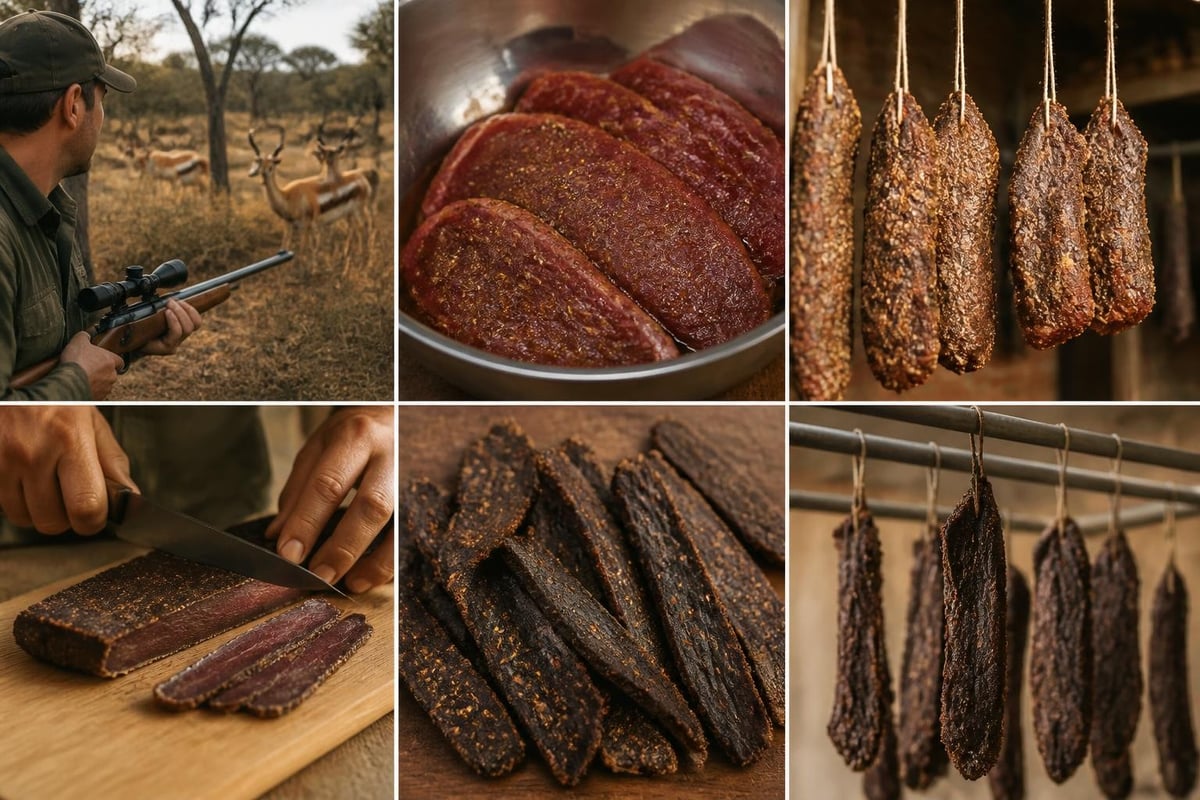
The production of safari biltong follows time-tested techniques that have been refined over generations. Research from Stellenbosch University documenting traditional South African biltong processing provides valuable insights into the physicochemical properties and cultural context of this preservation method.
The process begins with careful selection and preparation:
- Game meat is cut into long strips following the muscle grain
- Salt, coriander, black pepper, and vinegar create the signature marinade
- Pieces are hung in well-ventilated spaces for controlled air-drying
- Temperature and humidity conditions are carefully monitored
- The drying process typically takes five to fourteen days depending on thickness
Quality wild game biltong requires precise control throughout every stage. The meat must be sourced from healthy animals, processed under hygienic conditions, and dried in environments that prevent contamination whilst promoting proper moisture reduction.
Food Safety and Microbial Control
Modern safari biltong production balances traditional methods with contemporary food safety standards. Studies demonstrating significant pathogen reduction during biltong processing show that the combination of salt, acidic marinade, and controlled drying creates conditions hostile to harmful bacteria.
The science behind safe safari biltong production involves:
- Initial antimicrobial treatment through vinegar and salt application
- Water activity reduction that inhibits microbial growth
- pH control from acidic marinades
- Controlled drying environments that prevent spoilage
- Regular monitoring of temperature and humidity levels
Comprehensive research on meat drying methods and microbial stability confirms that properly processed biltong achieves water activity levels below the threshold required for pathogenic bacteria to multiply, ensuring both safety and shelf stability.
Game Species Used in Safari Biltong
Different game animals contribute unique flavour profiles and nutritional characteristics to safari biltong. South African producers select species based on sustainable harvesting practices, meat quality, and traditional preferences.
| Game Species | Flavour Profile | Fat Content | Texture Characteristics |
|---|---|---|---|
| Kudu | Mild, slightly sweet | Low to moderate | Tender, fine grain |
| Springbok | Delicate, lean | Very low | Firm, dense |
| Gemsbok | Rich, pronounced | Low | Robust, chewy |
| Impala | Subtle, clean | Very low | Soft, delicate |
| Eland | Beef-like, hearty | Moderate | Substantial, meaty |
Kudu biltong remains particularly popular for its balanced flavour that appeals to both traditional enthusiasts and newcomers. The meat's natural tenderness translates into biltong that's easier to chew whilst maintaining the characteristic texture safari biltong is known for.
Sustainability and Ethical Sourcing
The production of safari biltong supports conservation efforts and sustainable wildlife management in South Africa. Research on wild game product authentication and regulation highlights the importance of traceability and proper labelling in the game meat industry.
Responsible safari biltong producers work within frameworks that ensure:
- Population management through regulated harvesting quotas
- Habitat conservation funded by sustainable game farming
- Economic benefits for rural communities
- Traceability systems that verify legal and ethical sourcing
- Quality assurance from field to final product
This approach contrasts sharply with intensive livestock farming, positioning safari biltong as an environmentally conscious protein choice that supports biodiversity.
Nutritional Profile and Health Benefits
Safari biltong offers exceptional nutritional value, particularly appealing to health-conscious consumers and those following specific dietary protocols. The wild game origins contribute to a superior nutrient profile compared to conventional meat products.
Macronutrient Composition
Wild game meat naturally contains less fat and more protein than domesticated livestock:
- Protein content: 50-60% by weight in dried safari biltong
- Fat content: Typically 3-8%, significantly lower than beef biltong
- Carbohydrates: Negligible amounts, suitable for low-carb diets
- Caloric density: Approximately 300-350 calories per 100 grams
The high protein concentration makes safari biltong an efficient recovery snack for athletes and an excellent option for anyone seeking to increase protein intake without excess calories or fat.
Micronutrients and Bioactive Compounds
Beyond macronutrients, safari biltong provides:
- Iron: Highly bioavailable haem iron for oxygen transport
- Zinc: Essential for immune function and cellular metabolism
- B vitamins: Including B12, crucial for nerve function and energy
- Selenium: Antioxidant mineral often higher in game meat
- Omega-3 fatty acids: Wild game contains better fatty acid ratios than grain-fed livestock
The absence of antibiotics, growth hormones, and synthetic feed additives in wild game further enhances safari biltong's appeal to consumers prioritising natural, unprocessed foods.

Flavour Profiles and Serving Suggestions
The distinctive taste of safari biltong sets it apart from conventional meat snacks. Wild game imparts subtle flavour notes that reflect the animal's natural diet of indigenous vegetation, creating complexity that beef cannot replicate.
Tasting Notes by Species
Springbok safari biltong delivers a delicate, almost sweet flavour with no gamey overtones, making it accessible to those new to wild game products. The lean meat dries to a firm texture that releases flavour gradually as you chew.
Kudu safari biltong presents a more robust profile with earthy undertones and a hint of natural sweetness. Its slightly higher fat content compared to springbok creates a more tender eating experience.
Gemsbok safari biltong appeals to those who appreciate pronounced, characterful meat flavours. The dense texture and rich taste make it particularly satisfying for dedicated biltong enthusiasts.
Pairing and Consumption Ideas
Safari biltong's versatility extends beyond standalone snacking:
- Wine pairings: South African Pinotage or Shiraz complement the rich flavours
- Cheese boards: Combine with aged cheddar and Brie for contrast
- Salad enhancement: Slice thinly over mixed greens with balsamic dressing
- Cooking ingredient: Dice into pasta sauces or risotto for depth
- Trail mix: Combine with nuts and dried fruit for hiking provisions
The concentrated flavours mean a small amount of safari biltong adds substantial taste impact to dishes, making it an economical ingredient despite premium pricing.
Safari Biltong in the South African Expat Community
For South Africans living abroad, particularly in New Zealand, safari biltong represents more than nutrition or flavour. It embodies memories, traditions, and connections to homeland that transcend simple food preferences.
Cultural Connection and Nostalgia
The act of sharing safari biltong recreates social rituals familiar from South African gatherings. Whether at a braai celebration or casual get-together, passing around biltong initiates conversations and strengthens community bonds amongst expats.
Many South Africans describe specific memories triggered by safari biltong:
- Childhood holidays in game reserves where biltong was part of the camping experience
- Family recipes passed down through generations with subtle variations
- Gift-giving traditions where artisan biltong serves as a treasured present
- Sports viewing rituals where biltong accompanies rugby matches
- Road trip provisions on long drives through the South African countryside
These emotional connections explain why expats actively seek authentic South African products even when local alternatives exist. The specific taste and texture of properly made safari biltong cannot be adequately substituted.
Accessing Authentic Safari Biltong in New Zealand
South Africans living in New Zealand face challenges sourcing genuine safari biltong due to importation regulations and limited local production. Specialised retailers fill this gap by importing authentic products that meet both South African quality standards and New Zealand food safety requirements.
Something From Home operates as a South African food store in New Zealand, stocking more than 2,500 South African products including authentic biltong varieties. This access allows the expat community to maintain culinary traditions without compromising on authenticity or quality.
The online availability of popular South African snack brands means that distance no longer necessitates abandoning favourite foods. Regular shipments ensure fresh stock and reasonable shelf life for products that naturally keep well when properly stored.
Production Variations and Quality Indicators
Not all safari biltong meets the same standards. Understanding quality markers helps consumers select products that deliver authentic taste and value.
Artisan Versus Commercial Production
Small-batch artisan producers typically offer:
- Hand-cut strips maintaining traditional thickness and shape
- Natural spice blends without artificial flavourings or preservatives
- Longer drying times that develop more complex flavours
- Premium game selection from known, ethical sources
- Limited production runs ensuring freshness and attention to detail
Commercial operations may prioritise consistency and shelf stability through:
- Mechanical cutting and processing
- Standardised spice formulations
- Accelerated drying techniques
- Preservative additions
- High-volume production methods
Neither approach is inherently superior, but they serve different consumer preferences. Artisan safari biltong typically commands higher prices but delivers more distinctive character, whilst commercial products offer predictable quality and availability.
Assessing Quality Before Purchase
When evaluating safari biltong, consider these indicators:
| Quality Factor | Premium Indicator | Lower Quality Sign |
|---|---|---|
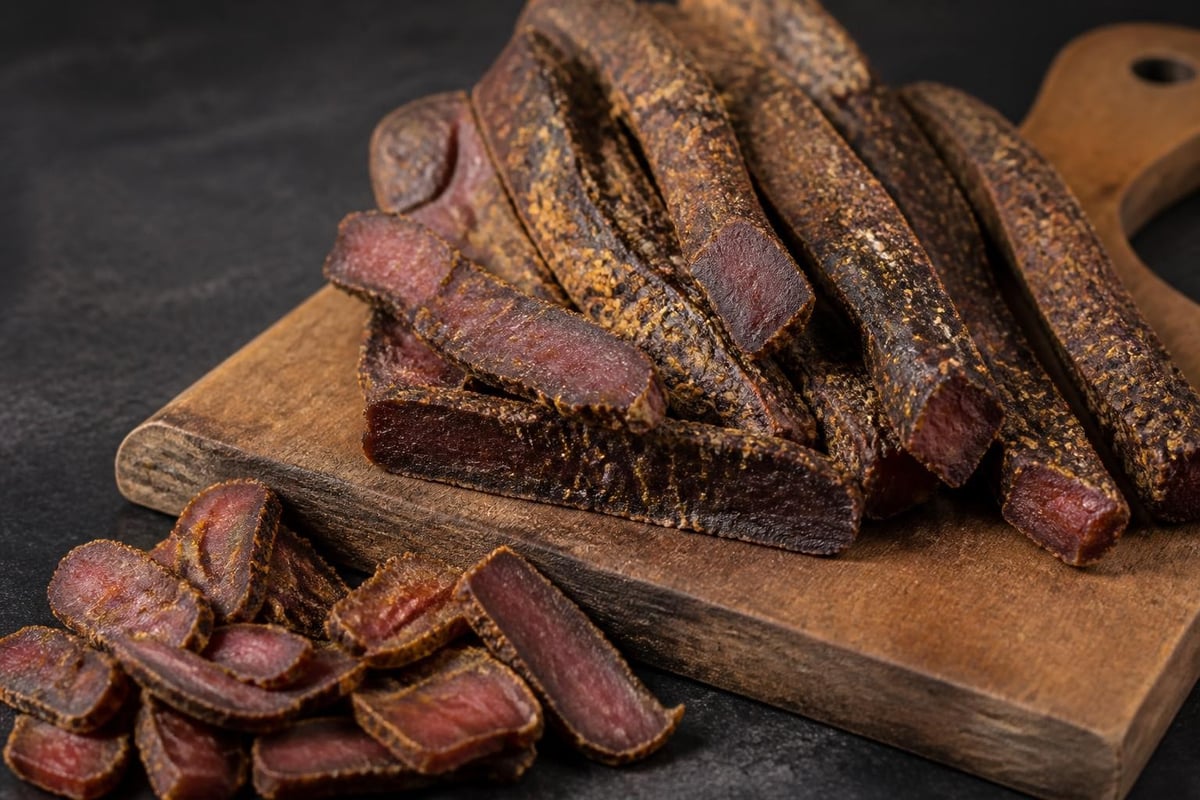
| Appearance | Dark mahogany colour, visible spices | Greyish tone, uniform coating |
| Texture | Firm but yielding, natural grain | Overly dry or spongy |
| Aroma | Rich meat scent with coriander notes | Vinegar-dominant or musty smell |
| Fat distribution | Minimal, natural marbling | Excessive or separated fat |
| Ingredient list | Meat, salt, spices, vinegar | Multiple additives and preservatives |
The best safari biltong should bend slightly without breaking when fresh, developing more snap as it ages. The surface should show the texture of the meat rather than being uniformly smooth from excessive trimming or processing.
Storage and Shelf Life Considerations
Properly stored safari biltong maintains quality for extended periods, though optimal conditions preserve both safety and eating characteristics.
Optimal Storage Conditions
Follow these guidelines to maximise shelf life:
- Temperature: Cool, consistent environment between 15-20°C
- Humidity: Low moisture areas prevent mould development
- Air circulation: Breathable containers or paper bags rather than sealed plastic
- Light exposure: Dark storage prevents fat oxidation
- Container choice: Food-grade paper or cloth bags for short-term, vacuum-sealed for long-term
Refrigeration extends shelf life but can affect texture, making biltong harder and drier. Remove from refrigeration 30 minutes before consumption to restore optimal eating characteristics.
Recognising Spoilage
While safari biltong's low water activity inhibits most spoilage, improper storage can lead to problems:
- Mould growth: White, green, or black patches indicate moisture exposure
- Rancid smell: Off odours suggest fat oxidation from improper storage
- Excessive hardness: Over-drying beyond normal texture development
- Sliminess: Surface moisture indicating inadequate initial drying
- Unusual colours: Significant darkening or pale spots may signal degradation
Discard any safari biltong showing these signs. When properly made and stored, the product should remain safe and palatable for months, with many enthusiasts reporting excellent quality after six months or more under ideal conditions.
The Market for Safari Biltong Beyond South Africa
International appreciation for safari biltong has grown as consumers worldwide discover this unique protein source. The global trend towards sustainable, minimally processed foods positions safari biltong favourably amongst health-conscious and environmentally aware consumers.
Export Challenges and Opportunities
Regulatory requirements vary significantly between countries, affecting safari biltong availability:
- Veterinary certificates documenting disease-free status
- Facility inspections ensuring production standards
- Import permits specific to each destination country
- Labelling requirements including nutritional information and allergen warnings
- Quarantine procedures that may affect product characteristics
Despite these hurdles, demand from expatriate communities and adventurous food enthusiasts drives continued export development. New Zealand's South African population creates a natural market for authentic products, supporting specialised importers who navigate the regulatory landscape.
Premium Positioning and Price Points
Safari biltong typically commands premium pricing compared to beef biltong due to:
Raw material costs: Wild game meat trades at higher prices than conventional beef, reflecting limited availability and harvesting expenses.
Processing requirements: Artisan production methods and smaller batches increase per-unit costs compared to industrial-scale beef biltong manufacturing.
Import expenses: International shipping, customs duties, and compliance costs add to the final retail price for products sold outside South Africa.
Market positioning: Safari biltong's status as a specialty delicacy supports higher price points amongst consumers valuing authenticity and quality.
Price-conscious consumers can still enjoy safari biltong by purchasing during promotional periods or selecting less expensive game species whilst reserving premium varieties like kudu for special occasions.
Making Informed Purchasing Decisions
When selecting safari biltong, whether in South Africa or through international suppliers, several factors influence satisfaction and value.
Reading Labels and Product Information
Comprehensive labelling provides essential information:
- Species identification: Specific game animal used
- Ingredient transparency: Complete list without vague terms like "spices"
- Origin information: Where the game was harvested and processed
- Certification marks: Organic, free-range, or sustainability credentials
- Processing date: Indicates freshness and expected shelf life
Products lacking detailed information may not meet premium standards or could obscure lower-quality ingredients or processing methods.
Supporting Ethical Producers
Consumer choices influence industry practices. Prioritising safari biltong from producers who demonstrate:
- Transparent sourcing with traceable supply chains
- Sustainable harvesting aligned with conservation goals
- Fair labour practices throughout production
- Quality commitment evidenced by traditional methods
- Community investment supporting local economies
These considerations ensure that purchasing safari biltong contributes positively to wildlife conservation, rural development, and culinary heritage preservation.
Safari biltong exemplifies how traditional food preservation techniques create products of lasting cultural and nutritional value. For South Africans in New Zealand seeking authentic tastes of home, convenient access to quality safari biltong and other familiar products makes maintaining cultural connections easier. Explore the extensive range of genuine South African groceries and snacks at Something From Home, your trusted South African food store serving New Zealand's expat community.