Something From Home NZ: Your South African Food Store
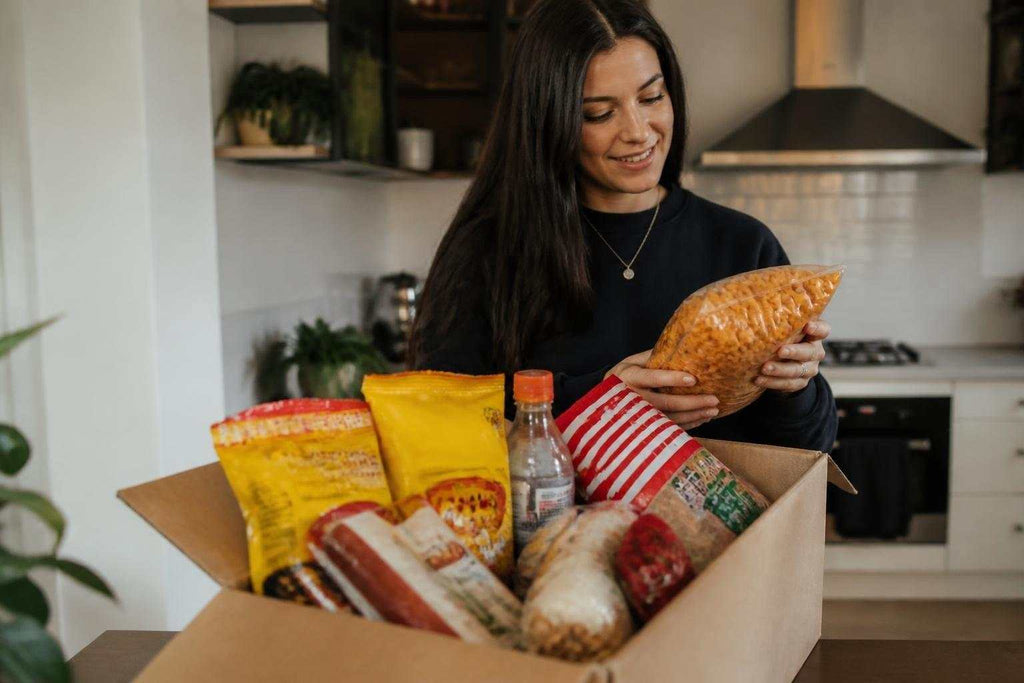
Looking to shop at Something From Home NZ? Visit the Something From Home online store to browse available South African groceries and products in New Zealand.
For South Africans who have made the journey across the Indian Ocean to settle in Aotearoa, the longing for familiar tastes remains a powerful connection to home. While New Zealand offers exceptional local cuisine and diverse food traditions, nothing quite replaces the distinctive flavours of South African favourites. This is where something from home nz becomes more than just a shopping destination. It represents a vital cultural bridge for the thousands of South African families who call New Zealand home.
Understanding the South African Diaspora in New Zealand
The South African community in New Zealand has grown substantially over the past two decades. Families relocate for various reasons, including career opportunities, quality of life, and educational prospects for their children. However, the transition involves more than adapting to a new climate or work environment.
Food plays a central role in maintaining cultural identity. When South Africans gather for braais, celebrate heritage days, or simply prepare family meals, the ingredients matter profoundly. The search for authentic products drives many to seek out something from home nz, where they can access genuine South African brands and products.
The Challenge of Finding South African Products
New Zealand supermarkets stock excellent local and international products, yet South African specialties remain scarce in mainstream retail channels. Standard grocery stores typically lack the diversity of South African snacks, condiments, and staples that expatriates seek.
This gap creates frustration for families wanting to recreate traditional recipes or introduce their children to cultural foods. Simple items like Mrs Ball's Chutney, Ouma Rusks, or proper biltong spice become treasure hunts through scattered specialty stores or expensive international shipments.
What Makes Something From Home NZ Essential
Something From Home operates as a dedicated South African shop and warehouse in New Zealand, stocking more than 2,200 authentic South African products. This extensive inventory addresses the diverse needs of the South African community, from everyday groceries to special occasion treats.
The warehouse model ensures consistent availability and competitive pricing. Unlike smaller shops with limited stock rotation, a comprehensive inventory means customers find what they need without disappointment.
Product Categories That Matter Most
South African expatriates typically prioritize several product categories:
- Biltong and dried meats (traditional snacks impossible to replicate with local alternatives)
- Rusks and biscuits (Ouma Rusks, Tennis Biscuits, and other favourites)
- Condiments and sauces (Mrs Ball's Chutney, Nando's Peri-Peri, Aromat seasoning)
- Sweets and chocolates (Peppermint Crisp, Tex bars, Wilson's toffees)
- Baking ingredients (Cremora, custard powder for milk tart)
- Breakfast cereals and spreads (ProNutro, Marmite, Bovril)
| Product Category | Why It's Irreplaceable | Popular Examples |
|---|---|---|
| Biltong & Droëwors | Unique spicing and preparation methods | Traditional beef biltong, game biltong |
| Traditional Sweets | Specific flavour profiles | Ghost Pops, Chappies, Fizzers |
| Braai Essentials | Authentic South African BBQ culture | Mrs Ball's Chutney, boerewors spice |
| Baking Staples | Required for traditional recipes | Cremora, Tennis Biscuits |
The Cultural Significance of South African Snacks
South African food culture extends beyond mere sustenance. It embodies memories, family traditions, and shared experiences that define identity. When a South African child in Auckland opens a packet of Nik Naks, they're not just eating a snack; they're connecting with cousins back in Johannesburg who enjoy the same treat.
Traditional snacks serve as conversation starters and community builders. South African families often gather to share platters of biltong, vetkoek, and other favourites during social occasions. These gatherings reinforce cultural bonds and introduce New Zealand-born children to their heritage.
Introducing South African Flavours to Kiwi Friends
Many South Africans enjoy sharing their food culture with New Zealand friends and colleagues. Items like Peppermint Crisp tart become conversation pieces at potluck dinners, while biltong often converts skeptical Kiwis into enthusiastic fans.
This cultural exchange enriches New Zealand's already diverse culinary landscape. The country's food scene has been shaped by numerous immigrant communities, and South African contributions add another delicious dimension.
How Something From Home NZ Operates
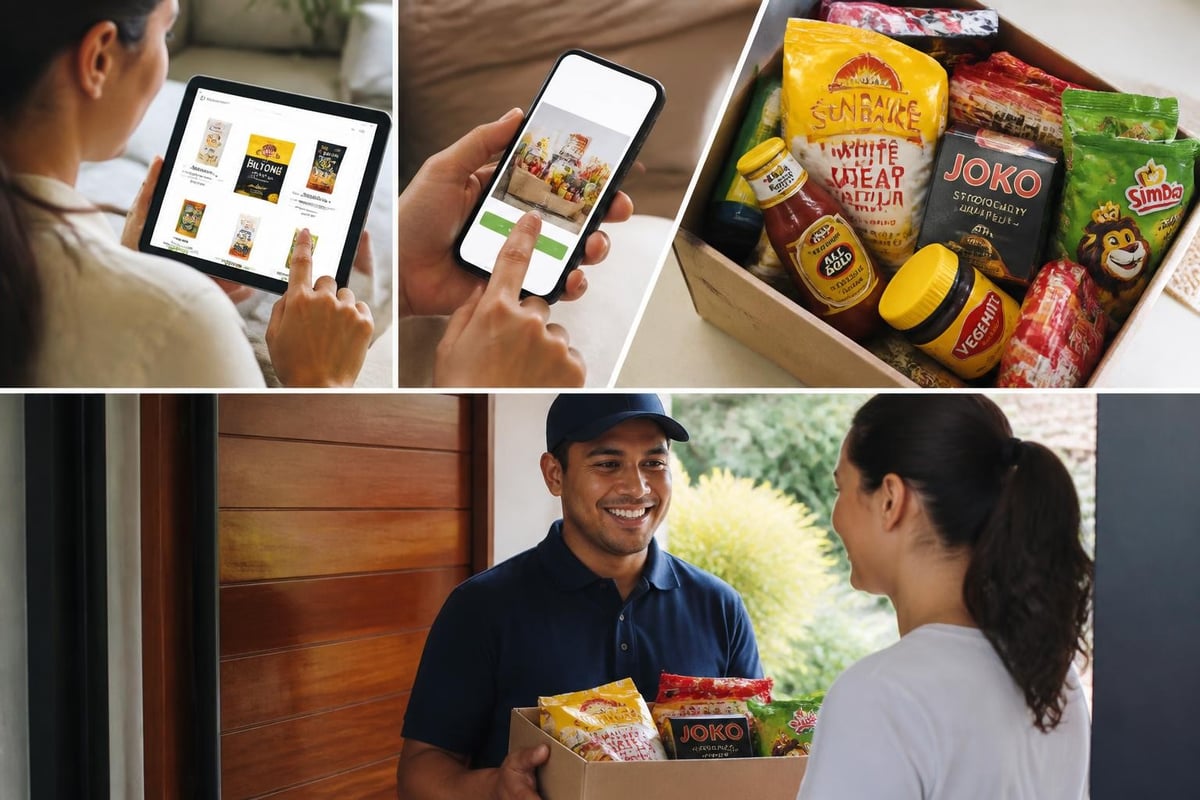
The something from home nz model prioritizes accessibility and convenience for customers throughout New Zealand. Understanding that South Africans live across both islands, the service employs several distribution strategies:
Online ordering allows customers from Invercargill to Kaitaia to access the full product range. The website features detailed product descriptions, helping customers find exactly what they need.
Warehouse pickup provides a cost-effective option for Auckland-based customers who can collect orders directly. This approach saves on shipping costs for larger monthly shops.
Nationwide delivery ensures even remote communities receive their favourite products. Reliable courier services mean that a family in Queenstown can enjoy the same access as Auckland residents.
Building a Sustainable Supply Chain
Sourcing authentic South African products requires robust international relationships. Something From Home maintains connections with South African manufacturers and distributors to ensure genuine products reach New Zealand shelves.
This supply chain complexity explains why specialized retailers like something from home nz prove essential. Individual consumers cannot negotiate bulk imports or navigate biosecurity requirements, making dedicated suppliers invaluable.
The Economics of Importing South African Food
Understanding pricing helps customers appreciate the value proposition. Importing food products involves multiple cost layers:
- Product procurement from South African suppliers
- International shipping (often by sea freight for cost efficiency)
- New Zealand biosecurity compliance and inspection fees
- Customs duties and GST on imported goods
- Warehousing and inventory management in New Zealand
- Domestic distribution to customers
Despite these costs, something from home nz maintains competitive pricing through volume purchasing and efficient operations. The value extends beyond mere price; it includes product authenticity, reliability, and selection breadth.
Comparing Costs to Alternatives
| Option | Advantages | Disadvantages |
|---|---|---|
| Specialized retailers like Something From Home | Wide selection, authentic products, reliable stock | Slightly higher than SA prices due to import costs |
| General supermarkets | Convenient locations | Very limited South African range, often only major brands |
| Personal imports | Potential savings on single items | Minimum quantities, biosecurity risks, shipping complexity |
| Visitor luggage | No additional shipping | Limited quantity, biosecurity restrictions, infrequent |
Popular South African Products in New Zealand
Certain products consistently rank among top sellers, reflecting the tastes and priorities of the South African community. Biltong remains the undisputed champion, with multiple varieties always in demand. The dried meat's unique preparation and flavour profile cannot be authentically replicated with New Zealand products.
Mrs Ball's Chutney represents another essential item. This sweet, tangy condiment enhances everything from braai meat to cheese sandwiches. South Africans use it creatively in curries, stews, and marinades.
Seasonal and Celebration Foods
Certain times of year drive increased demand for specific products:
- December holidays: Peppermint Crisp for summer tarts, sweets for Christmas stockings
- Heritage Day (September 24): All braai essentials, boerewors spice, traditional side ingredients
- Easter: Chocolate eggs from South African brands, hot cross bun spices
- Winter comfort food: Oxtail for potjiekos, Milo, soup mixes
Maintaining Traditions Through Food
South African culinary traditions carry deep meaning for expatriate families. Teaching children to make koeksisters or prepare a proper potjie transfers more than cooking skills; it passes down cultural knowledge and family history.
Access to authentic ingredients makes these traditions possible. While New Zealanders might substitute ingredients in international recipes, South Africans understand that Cremora cannot be replaced with standard milk powder, and Aromat seasoning has no local equivalent.
Recipe Adaptations and Authenticity
Some recipes adapt well to New Zealand ingredients. Local lamb works beautifully in sosaties, and New Zealand beef produces excellent results in potjies. However, the essential flavourings, spices, and condiments must remain authentic.
Something from home nz provides these crucial ingredients, enabling home cooks to maintain recipe integrity while taking advantage of New Zealand's excellent meat and produce.
The Social Aspect of South African Food Shopping
Beyond mere transactions, something from home nz serves a community function. South Africans exchange tips about new products, share recipe ideas, and connect over shared food memories. Online platforms and social media groups centered around South African food in New Zealand create virtual communities.
These connections combat isolation that some immigrants experience. Discussing the arrival of a new biscuit variety or debating the best biltong thickness creates belonging and shared identity.
Building Community Through Food Events
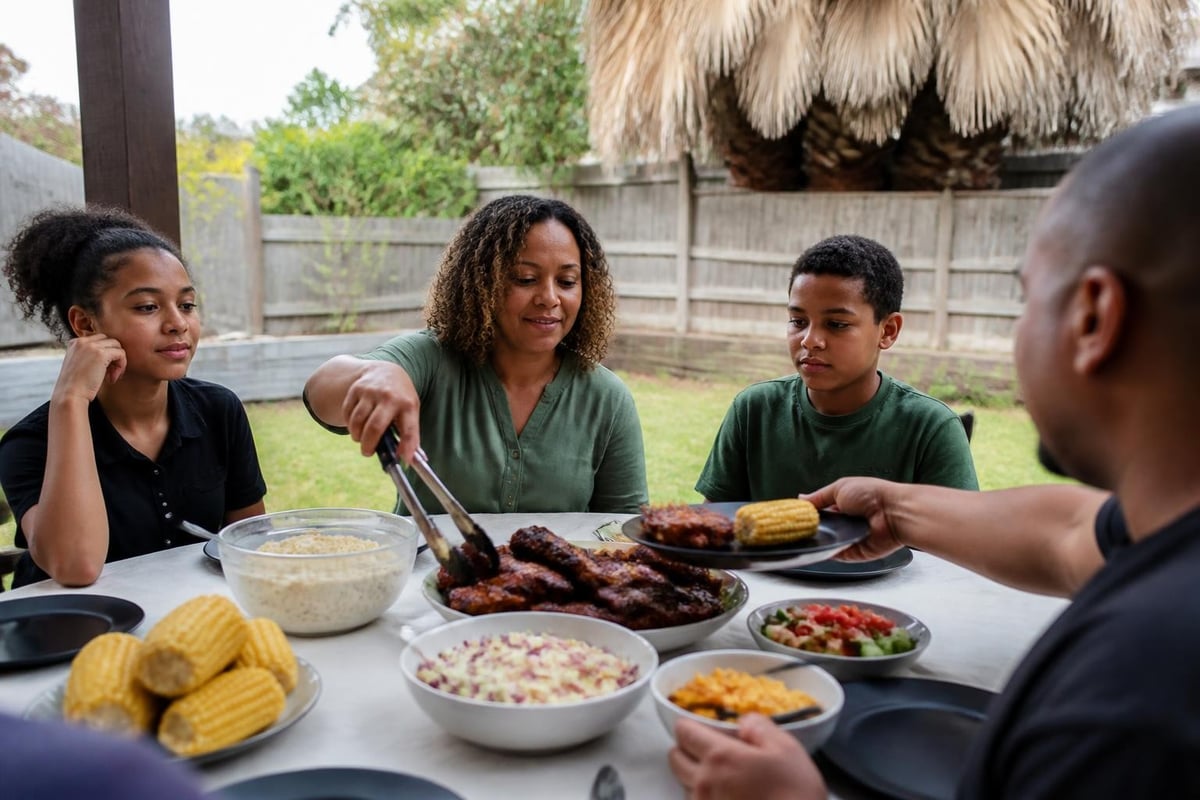
South African community gatherings in New Zealand often revolve around food. From rugby viewing parties to Heritage Day celebrations, these events require authentic ingredients. African grocery specialists enable organizers to source products in quantities sufficient for community events.
The ability to serve authentic food at these gatherings strengthens cultural preservation and introduces South African traditions to the next generation of Kiwi-South Africans.
Navigating Biosecurity and Import Regulations
New Zealand maintains strict biosecurity standards to protect its unique ecosystem. These regulations affect which South African products can enter the country and in what form. Understanding these rules helps customers appreciate the curated selection at something from home nz.
Processed foods generally clear biosecurity more easily than fresh products. This explains why dried, canned, and packaged goods dominate South African food imports. Fresh biltong requires specific preparation and documentation, while commercially packaged versions navigate regulations more smoothly.
What Cannot Be Imported
Certain products remain restricted or prohibited:
- Fresh produce and plants
- Some dairy products without proper certification
- Honey and bee products (due to disease risks)
- Raw or inadequately processed meats
- Seeds and nuts in certain forms
Specialized importers like Something From Home understand these regulations thoroughly, ensuring all offered products comply with New Zealand law. This expertise protects customers from inadvertent biosecurity violations.
The Future of South African Food in New Zealand
As New Zealand's South African community continues growing, demand for authentic products will likely increase. Something from home nz responds by expanding product ranges and improving distribution efficiency. The business model demonstrates the viability of serving niche immigrant communities with specialized food needs.
New Zealand's evolving food culture increasingly embraces international influences. South African contributions, from braai culture to unique confectionery, add valuable diversity to the national culinary conversation.
Technology and Access Improvements
Online shopping platforms continuously improve, making something from home nz increasingly accessible. Enhanced websites, mobile apps, and streamlined ordering processes reduce barriers for customers unfamiliar with online grocery shopping.
Delivery networks expand reach to previously underserved regions. South Africans in smaller towns gain access to products once available only to Auckland or Wellington residents willing to visit specialty shops personally.
Making the Most of Your South African Shop Experience
Maximizing value and satisfaction requires strategic shopping:
- Plan monthly orders to optimize shipping costs
- Join email lists for product arrival notifications and specials
- Explore new products alongside familiar favourites
- Check product descriptions for sizing and specifications
- Consider shelf life when ordering perishables or limited-stock items
Experienced customers often maintain standing orders for staple items while adding seasonal or special products as desired. This approach ensures continuous access to essentials while allowing culinary experimentation.
Storage and Preservation Tips
Properly storing South African products extends their enjoyment:
| Product Type | Storage Method | Expected Shelf Life |
|---|---|---|
| Biltong (unopened) | Cool, dry pantry | 6-12 months |
| Rusks | Airtight container | 6 months |
| Spices and seasonings | Dark, cool cupboard | 12-24 months |
| Chocolates | Cool pantry (not refrigerator) | Check best-before dates |
| Canned goods | Room temperature pantry | 2-3 years |
Supporting South African Food Culture in New Zealand
Every purchase from something from home nz supports cultural preservation and community connection. These transactions extend beyond commerce; they represent votes for diversity, cultural respect, and the right of immigrant communities to maintain food traditions.
South African food culture enriches New Zealand's multicultural tapestry. The country's culinary evolution benefits from each immigrant group's contributions, creating a food scene that celebrates global influences while honoring local traditions.
Introducing the Next Generation
Children born in New Zealand to South African parents occupy a unique cultural space. Access to South African foods helps these children understand their heritage and maintain connections to extended family abroad. Sharing snacks, recipes, and food traditions creates tangible links to a homeland they may visit infrequently.
Something from home nz facilitates this cultural transmission by ensuring parents can access the same foods they enjoyed growing up. When a child in Christchurch eats the same sweets their Johannesburg cousins enjoy, geography matters less.
For South Africans navigating life in New Zealand, maintaining connections to home through food remains vital to wellbeing and cultural identity. Whether you're seeking everyday groceries or special occasion treats, having access to authentic products makes all the difference. Explore the extensive range available at Something From Home, where more than 2,200 genuine South African products await to bring a taste of home to your New Zealand kitchen.