Souvenir From Africa: A Cultural Journey Beyond Trinkets
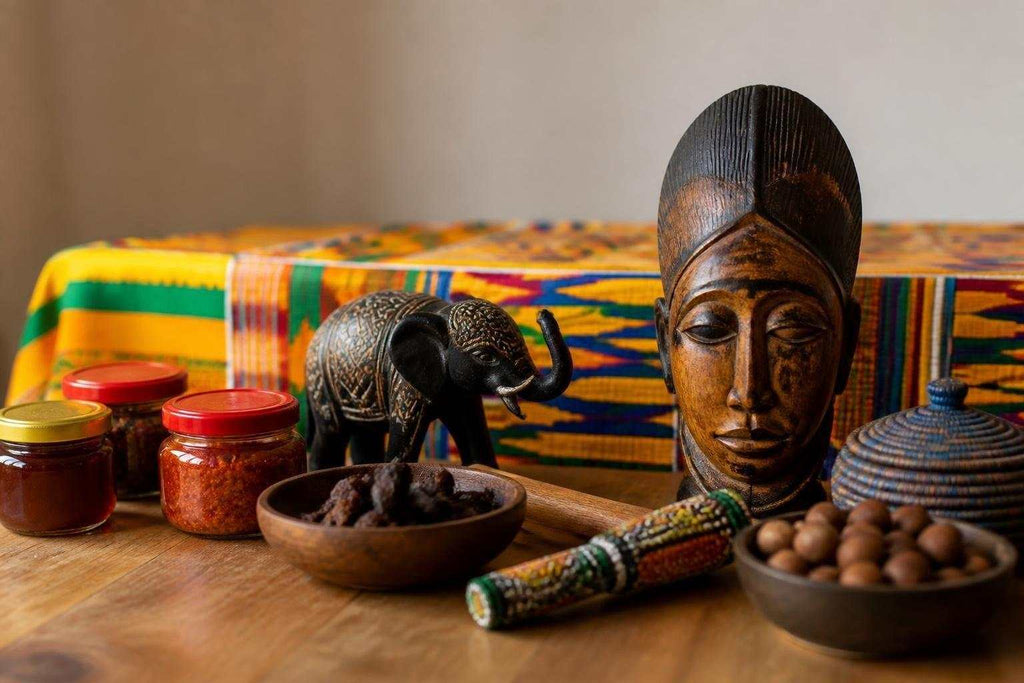
When you think of a souvenir from Africa, the image that comes to mind might be carved wooden animals, beaded jewellery, or vibrant textiles. However, the concept of what constitutes a meaningful African souvenir extends far beyond tourist trinkets. For South Africans living in New Zealand, the most treasured souvenirs aren't always physical objects collected during travels. They're often the tastes, flavours, and familiar comforts that connect them to home, transforming everyday groceries into precious cultural artefacts that bridge the 11,000-kilometre distance between continents.
The Cultural Significance of African Souvenirs
A souvenir from Africa carries layers of meaning that transcend its material form. These items represent centuries of craftsmanship, cultural heritage, and artistic expression that vary dramatically across the continent's 54 countries.
Traditional African souvenirs showcase the remarkable diversity of regional artistry. Handcrafted wooden carvings from East Africa differ significantly from the intricate beadwork of Southern African communities, whilst West African textiles display patterns and techniques unique to their regions. Each piece tells a story about the people, traditions, and environments from which they originate.
The Evolution of Souvenirs in the African Diaspora
For expatriates and immigrants, the definition of a souvenir has evolved considerably. Whilst tourists might seek out decorative items during brief visits, those who've relocated permanently often find that food-based souvenirs become their most valued connection to African culture.
The shift occurs naturally. You can only display so many carved masks or traditional sculptures in your New Zealand home. However, the comfort of familiar flavours remains endlessly renewable and deeply personal.
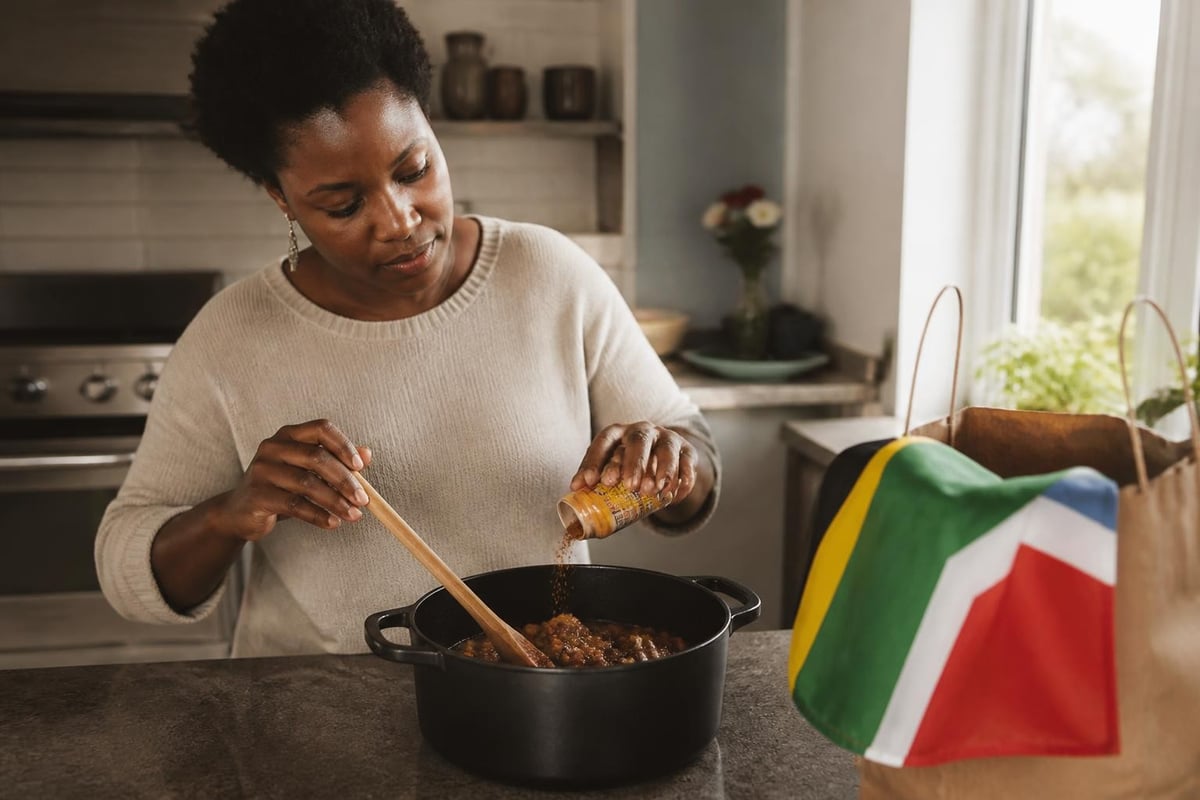
Traditional African Souvenirs: Art and Craftsmanship
Understanding the breadth of African souvenir options helps appreciate why certain items hold particular significance. Traditional materials used in African sculpture and textiles reflect sophisticated knowledge passed through generations.
Popular Physical Souvenirs
| Souvenir Type | Primary Regions | Cultural Significance | Practical Considerations |
|---|---|---|---|
| Wooden Carvings | East & Southern Africa | Represent ancestral stories, wildlife, spiritual beliefs | Heavy, fragile during transport |
| Beaded Jewellery | Pan-African | Tribal identity, ceremonial purposes, social status | Delicate, requires careful packing |
| Traditional Textiles | West & Southern Africa | Family heritage, ceremonial dress, artistic expression | Bulky, may fade with washing |
| Pottery & Ceramics | North & East Africa | Functional art, household traditions | Extremely fragile |
| Leather Goods | Pan-African | Practical craftsmanship, daily use items | Durable, easier to transport |
Unique African souvenir ideas extend well beyond these categories, encompassing everything from musical instruments to traditional games. However, each physical souvenir faces the same challenge: limited practicality for daily life.
The Limitations of Traditional Souvenirs
Whilst a beautifully carved wooden elephant might remind you of your African roots every time you dust it, it doesn't integrate into your daily routine. It sits on a shelf, appreciated occasionally but largely decorative.
This reality becomes particularly acute for South Africans in New Zealand. Your new life demands new furniture, new clothing, new everything. The suitcase space and shipping containers filled with belongings must prioritise essentials. That hand-woven basket, whilst beautiful, competes with more pressing needs.
Food as the Ultimate Souvenir From Africa
Here's where the conversation shifts from conventional tourist souvenirs to something more profound. Food represents the most intimate, recurring connection to culture available to expatriates.
Consider the experience of walking into a South African food store thousands of kilometres from home. The familiar packaging, the specific brands you grew up with, the unique flavours that simply don't exist in New Zealand supermarkets-these become your daily souvenirs.
Why Food Souvenirs Matter More
- Daily integration: Unlike decorative items, food becomes part of your routine
- Sensory memory: Taste and smell trigger powerful emotional connections
- Shared experiences: Food facilitates cultural transmission to children born abroad
- Renewable connection: You can repurchase favourite items regularly
- Practical value: Serves both nostalgic and nutritional purposes
When South Africans seek African grocery options in New Zealand, they're not simply shopping. They're maintaining cultural identity through edible souvenirs that recreate home in their new country.
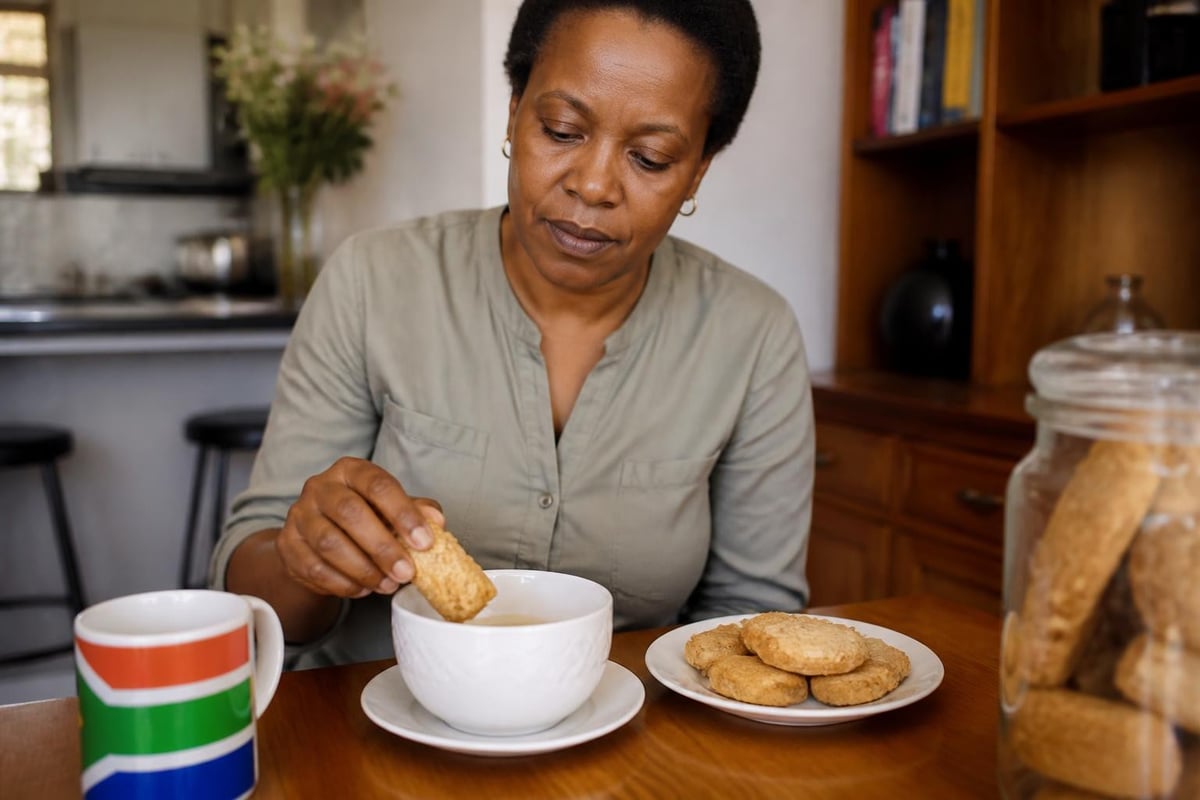
South African Food Souvenirs: Specific Examples
The concept of a souvenir from Africa takes tangible form in the snacks, sweets, and staples that define South African food culture. These aren't generic African products but specifically South African items with powerful nostalgic resonance.
Essential South African Food Souvenirs
Biltong and Droëwors
Nothing says South African quite like properly made biltong. This cured meat represents centuries of preservation techniques adapted to African conditions. For South Africans abroad, biltong isn't just a snack-it's an edible piece of home that connects them to braai culture, family gatherings, and weekend rugby matches.
Mrs Ball's Chutney
This iconic condiment appears on South African tables with such regularity that its absence abroad feels genuinely disorienting. The sweet-tangy flavour profile doesn't have true equivalents in New Zealand cuisine, making it an irreplaceable souvenir from Africa.
Ouma Rusks
The morning ritual of dunking an Ouma rusk into coffee or tea carries childhood memories. These twice-baked biscuits represent South African breakfast culture in a way that no New Zealand product can replicate.
Simba Chips
Specific chip flavours like Mrs Ball's Chutney or All Gold Tomato Sauce variants simply don't exist outside South Africa. These aren't just potato chips-they're flavour memories from childhood, school tuckshops, and weekend treats.
The Search for Authentic Products
Finding genuine South African products in New Zealand once required waiting for care packages from relatives or planning extensive shopping trips during visits home. Shopping for African food online has transformed this challenge significantly.
Modern South African shops in New Zealand stock comprehensive ranges that function as curated souvenir collections. Rather than one-off purchases, these become ongoing sources of cultural connection.
The Business of Cultural Connection
Recognising food as the most meaningful souvenir from Africa explains why specialised South African food stores succeed in diaspora communities worldwide. These businesses serve a deeper need than mere grocery shopping.
What Makes a South African Shop Valuable
| Feature | Standard Grocery Store | Specialised South African Shop |
|---|---|---|
| Product Range | Generic international section | 2,500+ specifically South African items |
| Brand Authenticity | Substitutes and alternatives | Original brands and formulations |
| Cultural Knowledge | Limited staff familiarity | Deep understanding of products and uses |
| Community Function | Transactional | Cultural hub and connection point |
| Product Turnover | Slow-moving specialty items | Fresh stock regularly imported |
Something From Home represents this specialised approach, functioning as both retailer and cultural curator. The warehouse stocks products that serve as daily souvenirs-items that South Africans incorporate into their New Zealand lives whilst maintaining connection to their heritage.
The Economics of Nostalgia
Expatriates willingly pay premium prices for authentic South African products because the value extends beyond nutrition. A packet of Tennis Biscuits isn't just a sweet treat-it's a sensory time machine. That premium reflects importation costs certainly, but also cultural worth.
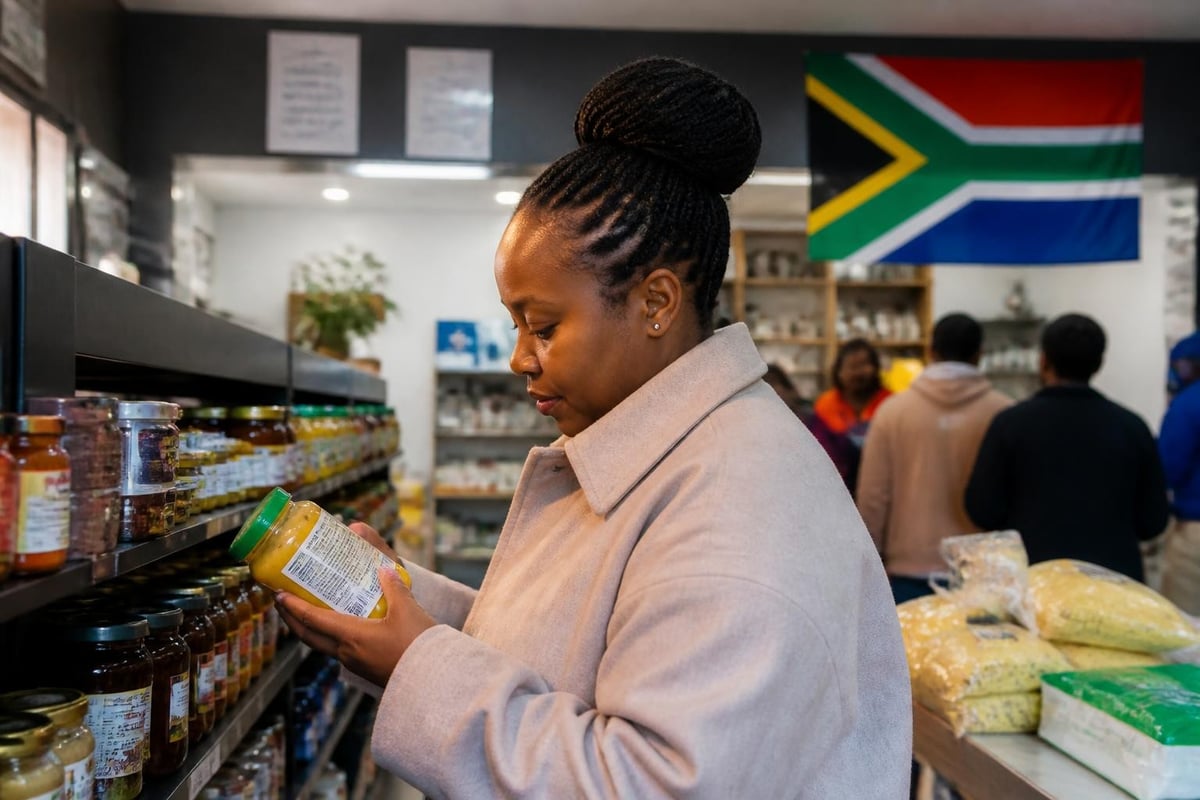
Comparing Souvenir Types Across Africa
Whilst this discussion focuses primarily on South African contexts, understanding the broader landscape of African souvenirs provides valuable perspective. Different regions offer distinct souvenir categories that reflect their unique cultural traditions.
Regional Souvenir Specialities
East Africa
East African souvenirs include intricate beaded jewellery from Maasai communities, Tanzanian Tingatinga paintings, and Makonde wood carvings. These items reflect the region's artistic traditions and natural inspirations.
Coffee from Ethiopian and Kenyan regions represents East Africa's edible souvenir excellence, offering internationally recognised quality that connects consumers to African agriculture.
West Africa
Traditional Kente cloth from Ghana, bronze sculptures from Benin, and Adire textiles from Nigeria showcase West African artistic sophistication. The region's souvenir culture emphasises bold patterns, symbolic meanings, and ceremonial significance.
West African food souvenirs include unique spice blends, shea butter products, and specific pepper varieties that define regional cuisines.
Southern Africa
Beyond South Africa, the region produces distinctive wire art from Zimbabwe, gemstones from Botswana, and traditional baskets from various communities. South African souvenirs themselves range from wildlife-themed crafts to contemporary art influenced by the nation's complex history.
The food souvenir category, however, remains uniquely South African in its diversity and commercial availability abroad.
Building Your Personal Souvenir Collection
Creating a meaningful collection of souvenirs from Africa requires thoughtful consideration of what genuinely enriches your life. For South Africans in New Zealand, this means balancing decorative cultural items with practical, consumable connections.
Strategic Souvenir Selection
Decorative Items: Quality Over Quantity
- Select one or two exceptional art pieces rather than multiple generic items
- Choose items with personal meaning or family significance
- Consider commissioning custom pieces that tell your specific story
- Rotate displays seasonally to maintain visual interest
Food Souvenirs: Building a Sustainable Supply
- Identify your absolute essential items (the flavours you can't live without)
- Establish reliable sources for regular replenishment
- Explore new products occasionally to expand your culinary connection
- Stock up strategically on items with longer shelf lives
The advantage of food souvenirs becomes clear in this comparison. Whilst decorative items reach saturation quickly, food souvenirs integrate seamlessly into ongoing life.
The Role of Specialist Retailers
Accessing authentic souvenirs from Africa whilst living in New Zealand requires knowing where to look. Tourist shops might stock generic African-themed items, but these rarely satisfy the specific cravings of the diaspora community.
Specialist South African food stores fill this crucial gap. By maintaining extensive inventories of authentic products, these retailers enable South Africans to recreate home flavours without waiting months for shipments from relatives.
What to Look For in a South African Food Store
Product Range
The best South African shops in New Zealand stock comprehensive selections spanning:
- Traditional snacks and sweets (rusks, biscuits, chocolates)
- Condiments and sauces (chutneys, peri-peri, spice mixes)
- Beverages (Rooibos tea, specific soft drink brands)
- Baking ingredients (specific flour types, traditional spice blends)
- Meat products (biltong, droëwors, boerewors)
- Pantry staples (specific jam brands, breakfast cereals)
Authenticity
Genuine products matter. Substitutes and alternatives don't provide the same sensory experience or cultural connection. Shops importing directly from South African manufacturers ensure authentic formulations and familiar packaging.
Accessibility
Modern South African food stores offer multiple shopping methods: physical locations for immediate purchases, online ordering for convenience, and nationwide delivery to reach South Africans throughout New Zealand.
Creating Cultural Rituals With Food Souvenirs
The true value of food as a souvenir from Africa emerges when these products become integrated into meaningful rituals that maintain cultural identity across generations.
Daily Rituals
Morning Tea
Starting the day with Rooibos tea and an Ouma rusk recreates a quintessentially South African morning ritual. This simple act grounds you in cultural tradition before facing a New Zealand workday.
Afternoon Snacks
Offering children Simba chips or a Lunch Bar after school introduces them to flavours from your childhood, creating intergenerational taste memories.
Weekend Braais
Preparing boerewors sourced from a South African food store transforms a barbecue into a braai, maintaining social traditions central to South African culture.
Special Occasions
Food souvenirs shine brightest during celebrations. Serving Peppermint Crisp Tart at birthday parties or preparing traditional South African dishes for Heritage Day reinforces cultural identity through shared culinary experiences.
These rituals matter profoundly for children raised in New Zealand. Without tangible cultural practices, abstract concepts of South African identity remain disconnected from daily experience. Food provides the accessible, enjoyable connection that makes heritage feel real and relevant.
The Future of African Souvenirs in Diaspora Communities
As African diaspora communities grow globally, the souvenir industry evolves to meet changing needs. The trend clearly favours practical, consumable cultural products over purely decorative items.
Emerging Patterns
Direct Importing
Improved logistics and shipping options enable more efficient delivery of African products to global markets. Diaspora communities benefit from fresher products, broader selections, and competitive pricing.
Artisan Collaborations
Some forward-thinking retailers commission custom food products specifically for diaspora markets, creating new souvenirs that balance traditional flavours with contemporary preferences.
Digital Communities
Online platforms connect diaspora members, sharing recipes, product reviews, and cultural preservation strategies. These communities amplify the importance of authentic food souvenirs by demonstrating their role in cultural continuity.
Practical Implications for New Zealand's South African Community
For the estimated 60,000+ South Africans living in New Zealand, access to authentic products continues improving. Specialist retailers recognising food's role as cultural connector invest in comprehensive inventories that function as edible souvenir collections.
This accessibility transforms the expatriate experience. Rather than making do with substitutes or waiting for care packages, South Africans can incorporate authentic flavours into daily life, maintaining stronger cultural connections whilst fully participating in New Zealand society.
Making Informed Souvenir Choices
Whether selecting a souvenir from Africa during travel or establishing your ongoing collection of cultural products in New Zealand, informed choices maximise value and meaning.
Evaluation Criteria
For Traditional Souvenirs
- Authenticity: Is this genuinely handcrafted by local artisans?
- Cultural significance: Does this item carry meaningful cultural context?
- Practicality: Will this integrate into your life or gather dust?
- Quality: Is craftsmanship sufficient to justify the investment?
- Ethical sourcing: Does purchase support artisan communities fairly?
For Food Souvenirs
- Authenticity: Is this the genuine brand and formulation?
- Shelf life: Can you consume this before expiration?
- Versatility: Does this fit multiple uses in your cooking?
- Emotional resonance: Does this flavour trigger strong positive memories?
- Availability: Can you reliably repurchase when needed?
The questions differ because the souvenir types serve different purposes. Traditional souvenirs make single impressions; food souvenirs create ongoing experiences.
Balancing Old and New
South Africans thriving in New Zealand don't live in the past. They build new lives, embrace new experiences, and create hybrid cultural identities that honour both heritage and adopted home.
The most meaningful souvenir from Africa enables this balance. It shouldn't isolate you in nostalgia but rather ground you in cultural confidence whilst engaging fully with New Zealand life.
Food souvenirs excel at this balance. Packing a South African snack in your child's lunchbox alongside New Zealand fruit doesn't create cultural conflict. It demonstrates that identity encompasses multiplicity. You can love both Marmite and Bovril, appreciate both Tim Tams and Tennis Biscuits, enjoy both flat whites and Rooibos tea.
Teaching Heritage Through Souvenirs
For parents raising New Zealand-born children, food souvenirs become educational tools. Each product offers opportunities to share stories:
- Where this comes from geographically
- Why this flavour matters culturally
- How this connects to family history
- When you enjoyed this during your childhood
These conversations, prompted by a packet of Ghost Pops or a jar of Mrs Ball's Chutney, transmit cultural knowledge naturally through shared sensory experiences rather than abstract lessons.
The most valuable souvenir from Africa isn't necessarily the most expensive carved sculpture or elaborate textile. For South Africans building lives in New Zealand, the souvenirs that matter most are often edible, consumable, and renewable-the familiar flavours that make a house feel like home. Whether you're seeking authentic South African snacks, traditional ingredients, or simply that one specific brand of chutney that makes everything taste right, Something From Home offers more than 2,500 South African products that transform everyday meals into cultural celebrations, ensuring your heritage remains as close as your kitchen cupboard.