Steak Seasoning Guide: South African Braai Flavours
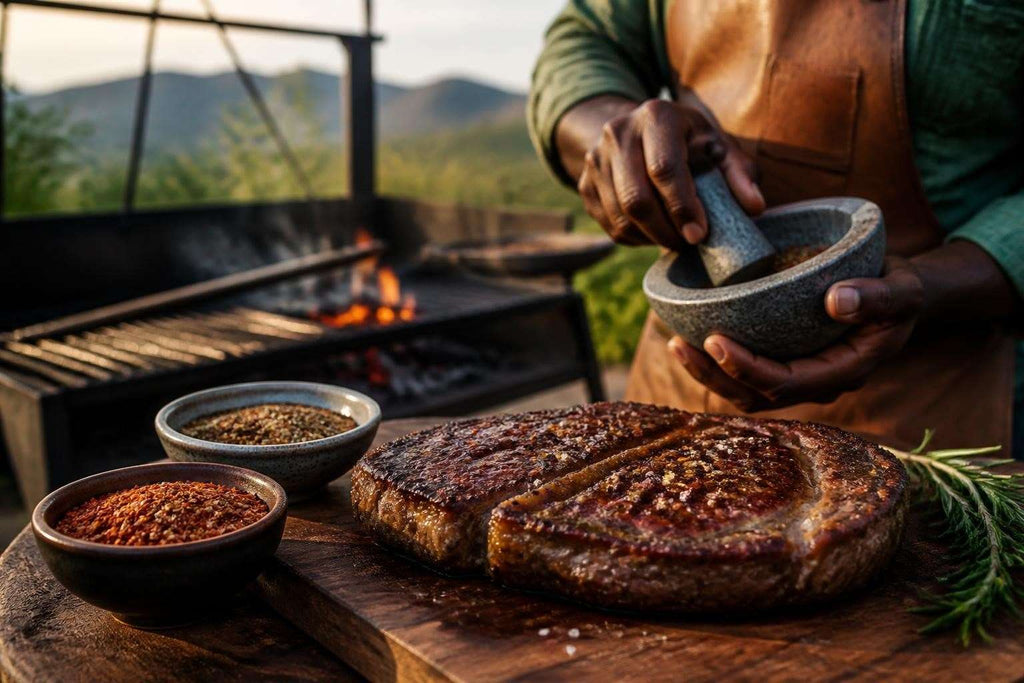
The art of preparing the perfect steak extends far beyond selecting quality meat. For South Africans living in New Zealand, the ritual of seasoning steak carries cultural significance that connects back to braai traditions and family gatherings around the fire. Understanding how to properly season steak transforms an ordinary meal into an extraordinary culinary experience, whether you're firing up the Weber on a Sunday afternoon or preparing a special weeknight dinner. The right combination of spices, applied at the correct time and in proper proportions, can elevate even a modest cut of beef into something memorable.
Understanding Steak Seasoning Fundamentals
Steak seasoning represents more than just salt and pepper sprinkled across meat. It's a deliberate combination of herbs, spices, and minerals designed to enhance the natural flavour of beef while creating textural contrast through crust formation. The science behind effective seasoning involves understanding how salt penetrates meat fibres, how heat activates aromatic compounds, and how different spices interact with the Maillard reaction during cooking.
South African food culture has long celebrated robust flavour profiles, from traditional boerewors spice blends to the aromatic combinations found in biltong seasoning. These same principles apply when crafting or selecting a steak seasoning blend. The familiar tastes of coriander, black pepper, and garlic that feature prominently in South African cuisine translate beautifully to steak preparation.
The Essential Components
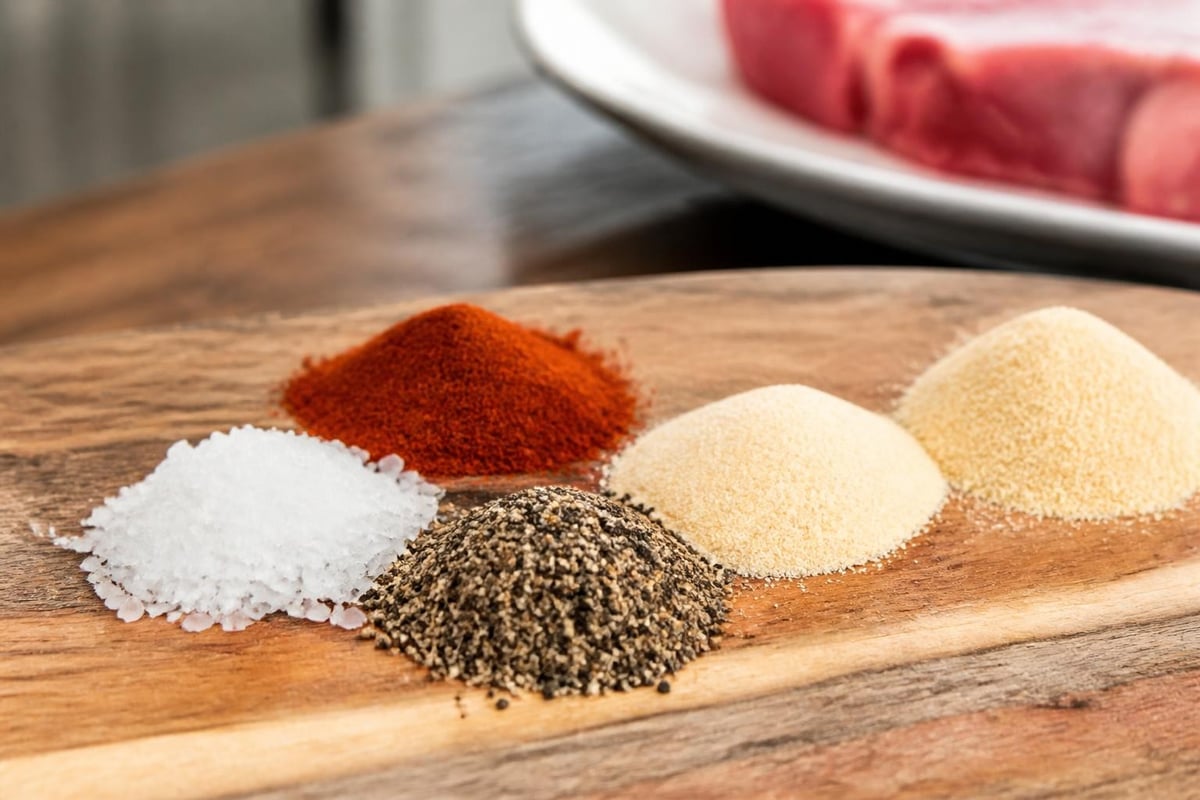
Every effective steak seasoning begins with a foundation of key ingredients:
- Coarse salt for moisture extraction and flavour enhancement
- Black pepper providing heat and aromatic complexity
- Garlic powder adding savoury depth without moisture
- Onion powder contributing sweetness and umami
- Paprika offering colour and mild fruity notes
According to professional steak seasoning guidelines, the ratio between steak and seasoning matters significantly. Most experts recommend approximately one tablespoon of seasoning per pound of steak, though this varies based on personal preference and the intensity of your spice blend.
Traditional South African Braai Seasonings
The South African braai tradition offers unique perspectives on steak preparation that differ from American BBQ or British grilling methods. Many South African families maintain closely guarded spice blend recipes passed down through generations, each reflecting regional preferences and family heritage.
Common South African steak seasoning elements include:
- Coarse sea salt or rock salt
- Freshly cracked black peppercorns
- Coriander seeds (whole or ground)
- Paprika or cayenne pepper
- Garlic granules or powder
- Dried herbs like rosemary or thyme
The beauty of braai-style seasoning lies in its simplicity and respect for the meat's natural flavour. Unlike heavily marinated preparations, South African steak seasoning typically allows the beef to shine whilst providing complementary aromatic notes. This approach aligns perfectly with New Zealand's excellent grass-fed beef, which benefits from enhancement rather than masking.
Recreating Home Flavours in New Zealand
For South Africans living in New Zealand, accessing familiar spice blends can pose challenges. While local supermarkets stock basic seasonings, they rarely carry the specific combinations that evoke memories of home. This is where specialist retailers become invaluable. Something From Home stocks 2,200 South African products, including traditional spices and seasoning blends that enable expats to recreate authentic braai experiences.
| South African Seasoning | Flavour Profile | Best For |
|---|---|---|
| Braai Salt | Coarse, mineral-rich | All cuts, especially ribeye |
| Peri-Peri Blend | Spicy, tangy | Lean cuts, sirloin |
| Boerewors Spice | Aromatic, coriander-forward | Fattier cuts, T-bone |
| All-Purpose Steak | Balanced, versatile | Any cut, everyday use |
Timing Your Steak Seasoning Application
The question of when to apply steak seasoning generates considerable debate among cooking enthusiasts. Research from Traeger Grills demonstrates that timing significantly impacts both flavour penetration and crust development. Three primary approaches exist, each offering distinct advantages.
The immediate method involves seasoning steak just before it hits the heat. This approach works well for thinner cuts or when time is limited. The seasoning sits on the surface, creating an aromatic crust without significant moisture extraction.
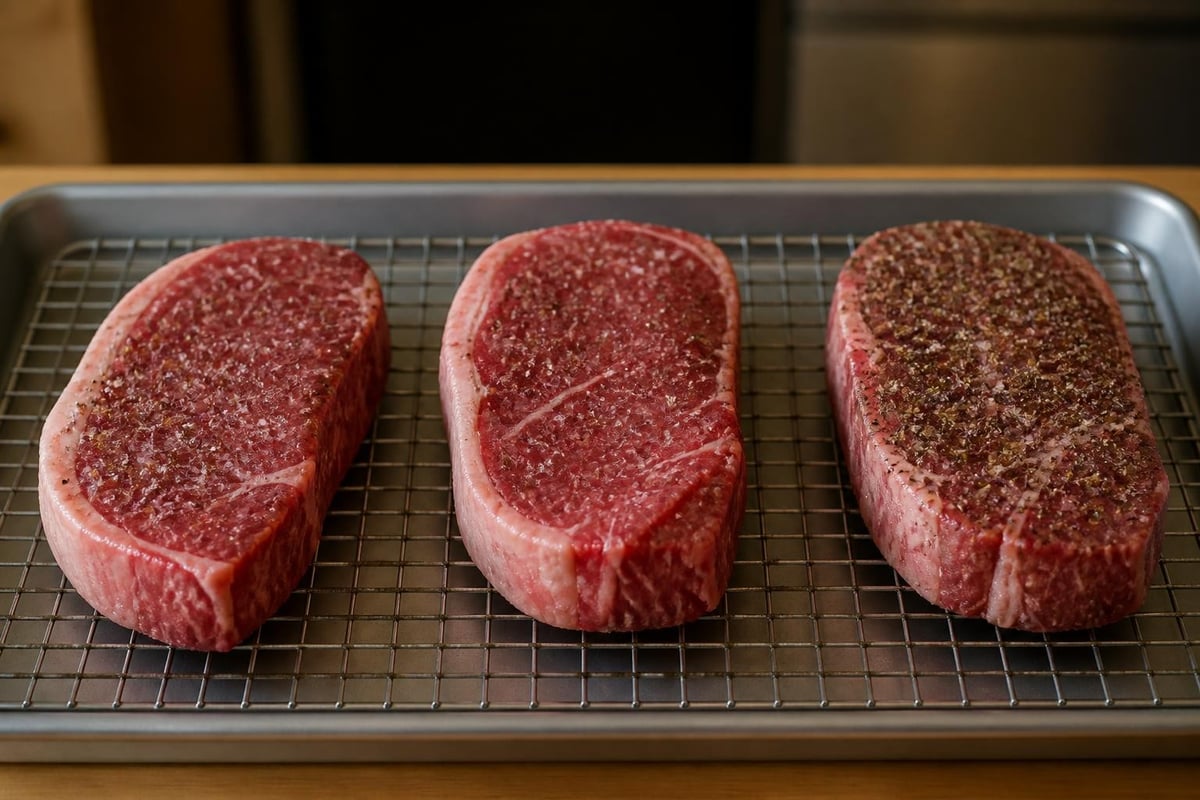
The advance method requires seasoning steak 40 minutes to several hours before cooking. Salt initially draws moisture from the meat through osmosis, but given adequate time, this moisture reabsorbs along with dissolved salt and spices. This technique, particularly effective for thicker cuts, seasons meat throughout rather than just on the surface.
The overnight method extends this principle further, allowing 12-24 hours for maximum flavour penetration. Professional chefs often prefer this approach for premium cuts, as it creates exceptionally well-seasoned meat with superior crust formation.
Temperature Considerations
Room temperature matters when seasoning steak. Removing meat from refrigeration 30-45 minutes before cooking allows for more even cooking and better seasoning adhesion. Cold, wet surfaces don't accept dry seasonings as effectively as room-temperature meat with a tacky exterior.
South Africans accustomed to preparing meat outdoors understand this intuitively. The braai tradition naturally incorporates resting periods whilst the fire reaches optimal temperature, creating ideal conditions for seasoning application and absorption.
Creating Custom Steak Seasoning Blends
Crafting your own steak seasoning blend offers complete control over flavour profiles whilst accommodating dietary preferences and regional taste variations. The process requires minimal equipment and allows for creative experimentation with familiar South African flavours.
Basic Recipe Framework
Start with these proportions as a foundation:
- 4 tablespoons coarse salt
- 2 tablespoons black pepper (coarsely ground)
- 1 tablespoon garlic powder
- 1 tablespoon onion powder
- 1 tablespoon paprika
- 1 teaspoon coriander (ground)
This yields approximately half a cup of seasoning, sufficient for 6-8 steaks depending on size. Store in an airtight container away from direct sunlight to maintain potency.
Customisation options include:
Adding brown sugar creates caramelisation (though avoid this for high-heat searing, as noted by Texas BBQ Rub experts). Including dried herbs like rosemary or thyme adds Mediterranean notes. Incorporating chilli flakes or cayenne provides heat levels familiar to peri-peri enthusiasts. Using smoked paprika instead of regular introduces barbecue character without actual smoking.
The optimal seasoning ratio ensures even coverage without overwhelming the meat's natural flavour. Too little seasoning fails to create adequate crust or flavour development. Too much results in an overly salty or spicy exterior that dominates rather than complements.
Regional Seasoning Variations Worth Exploring
Different cultures approach steak seasoning with unique philosophies reflecting local ingredients and culinary traditions. Understanding these variations provides inspiration for your own blends whilst appreciating the diversity of global steak preparation.
Montreal steak seasoning, for instance, originated from Romanian Jewish delicatessen traditions in Montreal during the mid-20th century. Its distinctive profile combines coarse salt, black pepper, garlic, coriander, dill, and red pepper flakes. The result bears surprising similarities to certain South African spice combinations, particularly the prominence of coriander.
International Influences on South African Tables
| Regional Style | Key Ingredients | Cultural Connection |
|---|---|---|
| Montreal | Coriander, dill, garlic | Jewish immigrant influence |
| Argentine | Chimichurri herbs, vinegar | Fresh herb emphasis |
| Texas | Chile powder, cumin, paprika | BBQ competition tradition |
| Japanese | Sesame, ginger, soy | Umami-focused approach |
Many South African families in New Zealand blend international influences with traditional braai methods, creating fusion approaches that reflect their multicultural experiences. A steak seasoned with Montreal-style spices but cooked over authentic hardwood charcoal exemplifies this cultural exchange.
Steak Cuts and Seasoning Compatibility
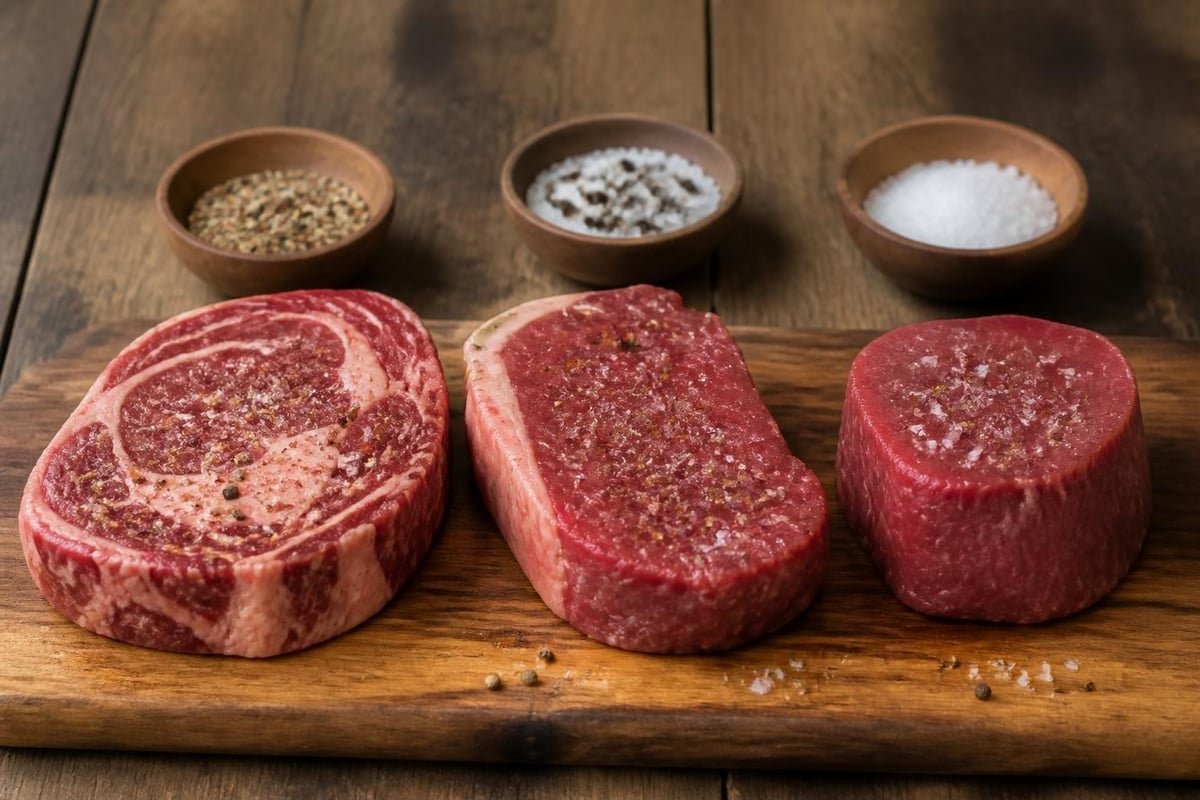
Different beef cuts benefit from tailored seasoning approaches based on their fat content, thickness, and inherent flavour intensity. Understanding these relationships ensures optimal results across various preparations.
Ribeye and rib cuts, with their high marbling and rich flavour, pair well with simpler seasonings. Coarse salt and cracked pepper often suffice, allowing the beef's natural taste to dominate. These cuts handle bold spices well if desired but don't require complexity.
Sirloin and strip steaks occupy middle ground regarding both flavour and fat content. They welcome more elaborate seasoning blends incorporating garlic, herbs, and moderate spice levels. These cuts represent excellent candidates for experimenting with custom South African-inspired blends.
Leaner cuts like eye fillet or tenderloin benefit from seasoning that adds flavour without overwhelming their subtle character. Lighter applications of well-balanced blends work best, perhaps emphasising herbs over aggressive spices.
The professional techniques employed by restaurant chefs often involve adjusting seasoning intensity based on the specific cut being prepared. This attention to detail separates good steak from exceptional steak.
The Role of Quality Ingredients
Steak seasoning quality depends entirely on ingredient quality. Stale spices, iodised table salt, or pre-ground pepper from questionable sources cannot produce results comparable to fresh, properly sourced components. South Africans understand this principle from making biltong and boerewors, where spice quality directly impacts the final product.
Essential quality markers include:
- Whole spices ground fresh rather than pre-ground products
- Sea salt or rock salt instead of refined table salt
- Recently purchased ingredients with strong aromatic presence
- Proper storage in cool, dark, airtight containers
- Reputable suppliers with quality control standards
For South Africans in New Zealand seeking authentic ingredients, accessing traditional products can require specific sourcing. A South African food store stocking genuine imported spices ensures your seasoning blends maintain the flavour profiles you remember from home, rather than approximations using locally available substitutes.
Application Techniques for Maximum Impact
Even the finest steak seasoning blend fails if improperly applied. Technique matters as much as ingredients when achieving restaurant-quality results at home. The goal involves creating even coverage that adheres to the meat surface while allowing for proper crust development during cooking.
The Height Method
Professional chefs often season from approximately 30 centimetres above the meat, allowing seasoning to fall and distribute more evenly than when applied close to the surface. This technique, whilst appearing wasteful, actually promotes better coverage and prevents concentrated pockets of spices.
Proper application involves:
- Patting meat completely dry with paper towels
- Seasoning from appropriate height for even distribution
- Applying to all surfaces, including edges
- Pressing gently to ensure adhesion
- Allowing time for moisture to develop tackiness
The braai tradition naturally incorporates these principles. When preparing multiple steaks for family gatherings, the process of seasoning each piece methodically ensures consistent results across all portions. This same attention to detail should apply whether cooking one steak or ten.
Storage and Shelf Life Considerations
Homemade steak seasoning blends maintain optimal potency for approximately three to six months when stored properly. Commercial blends often include anti-caking agents and preservatives extending shelf life, but fresh ingredients provide superior flavour.
Store seasoning blends in glass jars with tight-fitting lids, kept in cool, dark locations away from the stove. Heat, light, and moisture degrade spices rapidly, diminishing both flavour and aroma. Label containers with creation dates to track freshness.
For South Africans maintaining connections to home cooking traditions, keeping familiar seasonings accessible encourages regular braai sessions despite New Zealand's occasionally challenging weather. Having quality steak seasoning ready ensures that when conditions permit outdoor cooking, you're prepared to recreate those cherished weekend braai experiences.
Pairing Steak Seasoning with Cooking Methods
Different cooking approaches interact with steak seasoning in unique ways. High-heat grilling requires different considerations than slow-roasting or pan-searing. Understanding these relationships optimises results regardless of your chosen preparation method.
Grilling over charcoal or gas subjects seasonings to intense, direct heat. Sugar-based seasonings can burn, creating bitter flavours. Salt and pepper combinations with heat-stable spices work best. The braai method perfectly suits this approach, using coarse salts and whole spices that withstand high temperatures.
Pan-searing in cast iron creates different dynamics. The enclosed environment retains aromatic compounds whilst promoting crust development through the Maillard reaction. More complex seasoning blends shine in this context, as the controlled heat allows nuanced flavours to develop without burning.
Reverse-searing techniques, involving low-temperature cooking followed by high-heat finishing, benefit from seasoning applied before the initial slow cooking phase. This allows flavours to penetrate whilst the final sear creates the crust.
| Cooking Method | Ideal Seasoning Type | Application Timing |
|---|---|---|
| Direct grilling | Simple, no sugar | Just before cooking |
| Pan-searing | Complex blends | 40 minutes advance |
| Reverse-sear | Balanced, versatile | Before slow phase |
| Sous vide | Light, herb-focused | With vacuum seal |
Maintaining South African Food Culture Abroad
For South Africans living in New Zealand, food represents more than sustenance. It serves as cultural connection, family tradition, and sensory reminder of home. The simple act of seasoning steak using familiar spice combinations can transport you back to weekend braais, family celebrations, and cherished memories.
New Zealand's multicultural society welcomes diverse culinary traditions, creating space for South Africans to maintain their food heritage whilst embracing local ingredients. The country's excellent beef quality provides an ideal canvas for traditional South African seasoning approaches, combining the best of both worlds.
Accessing authentic South African products enables these cultural connections. Whether seeking specific spice blends, traditional condiments, or familiar snack foods, having reliable sources matters tremendously. This is particularly true for items that don't have direct New Zealand equivalents or require specific preparation methods.
The experience of sharing a properly seasoned, perfectly cooked steak with family and friends transcends cultural boundaries. Yet the specific flavours and preparation methods you choose reflect your heritage and personal history. Maintaining these traditions whilst building new lives in New Zealand enriches both your own experience and the broader cultural landscape.
Beyond Basic Salt and Pepper
Whilst traditionalists might argue that quality steak needs only salt and pepper, exploring broader seasoning possibilities opens exciting culinary territory. The key involves understanding when simplicity serves best and when complexity adds value.
Consider experimenting with:
- Coffee-based rubs for espresso-crusted steaks
- Herb blends featuring rosemary, thyme, and oregano
- Spicy variations incorporating peri-peri or cayenne
- Asian-inspired combinations with ginger and five-spice
- Citrus-enhanced seasonings using dried lemon peel
These variations don't replace traditional approaches but complement your repertoire. Perhaps weeknight dinners feature simpler preparations whilst special occasions warrant more elaborate seasoning blends. The flexibility to choose based on context and preference represents one benefit of understanding steak seasoning fundamentals.
Expert recommendations emphasise ingredient quality and application timing regardless of complexity. Whether using three ingredients or thirteen, proper technique matters more than elaborate formulations.
Adapting to New Zealand Ingredients
Living in New Zealand provides access to excellent local ingredients that can enhance South African-style steak preparations. New Zealand beef, particularly grass-fed varieties, offers exceptional quality that pairs beautifully with traditional braai seasonings. The country's diverse agricultural sector produces high-quality herbs and spices, though some specifically South African varieties require importing.
Combining local New Zealand ingredients with imported South African products creates fusion approaches honouring both traditions. For instance, using New Zealand sea salt as your base whilst incorporating imported South African spices maintains authenticity where it matters most whilst supporting local producers.
The climate differences between South Africa and New Zealand affect herb cultivation, with some Mediterranean varieties thriving whilst others struggle. Understanding these limitations helps you plan gardens or select purchased herbs appropriately. Rosemary, thyme, and oregano all grow well in New Zealand conditions, providing fresh options for steak seasoning blends.
Health Considerations and Dietary Adaptations
Modern dietary awareness encourages thoughtful approaches to steak seasoning, particularly regarding sodium content and allergen concerns. Traditional preparations often feature generous salt quantities, but health-conscious adaptations remain possible without sacrificing flavour.
Strategies for healthier seasoning include:
- Using smaller salt quantities whilst increasing other spices
- Incorporating umami-rich ingredients like mushroom powder
- Adding nutritional yeast for savoury depth
- Emphasising fresh herbs over dried when possible
- Choosing high-quality salts for maximum impact per grain
For those managing specific health conditions, working with healthcare providers ensures your steak seasoning choices align with medical recommendations. Hypertension, kidney disease, and other conditions may require sodium restriction, making ingredient awareness crucial.
Allergen considerations also matter, particularly for households with multiple dietary needs. Most basic steak seasonings avoid common allergens, but pre-made blends may contain unexpected ingredients. Creating your own ensures complete control over components.
Mastering steak seasoning transforms everyday cooking into culinary craft, whether you're recreating South African braai traditions or exploring new flavour territories. The fundamental principles remain constant: quality ingredients, proper timing, and appropriate technique combine to elevate beef from good to exceptional. For South Africans in New Zealand seeking authentic ingredients and familiar flavours, Something From Home provides access to traditional spices and seasonings that help maintain those cherished connections to home whilst building new food memories in Aotearoa.